

Pet Fashion for City Walks in Every Season
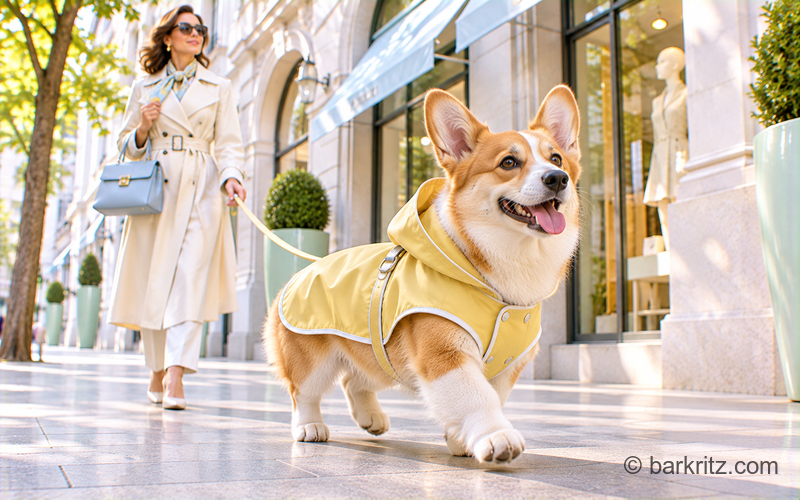
From the first mild days of spring to the crisp streets of winter, a dog’s city wardrobe can be both an expression of personal style and a thoughtful response to changing weather. A beautifully chosen coat, a lightweight summer accessory, or a carefully fitted harness can transform an everyday walk into a more comfortable and visually polished experience.
The finest approach to canine fashion begins with understanding the individual dog. Breed, body proportions, coat density, age, and sensitivity to temperature all influence what a companion should wear. An elegant garment must allow unrestricted movement, remain comfortable against the skin, and serve a genuine purpose rather than simply look attractive.
For the Four-Legged Elite, seasonal dressing is an exercise in considered choices: refined materials, flattering proportions, practical construction, and accessories that complement the dog’s natural character. The ideal city-walk wardrobe changes with the seasons while keeping comfort at its center.
What Should Dogs Wear for Stylish and Comfortable Spring City Walks?
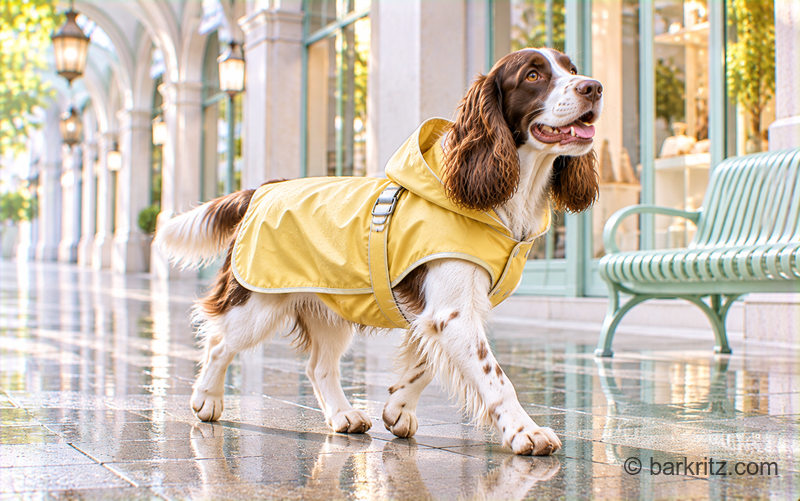
Spring calls for lightweight layers, breathable fabrics, and versatile outerwear that protects against unpredictable weather without restricting a dog’s natural movement.
Urban spring weather can shift from cool mornings to warm afternoons, with sudden showers and breezy streets making adaptable clothing particularly useful. A lightweight raincoat is often a more practical investment than a heavy jacket, while a soft cotton layer can provide additional warmth when temperatures remain low.
A considered spring wardrobe can include:
- Lightweight raincoats: water-resistant outer layers that protect against showers and damp pavements.
- Cotton shirts: breathable garments for dogs that comfortably tolerate light clothing.
- Thin quilted jackets: provide modest insulation during chilly mornings.
- Harness-compatible coats: feature carefully positioned openings that allow a leash attachment without compromising fit.
- Soft bandanas: introduce a seasonal accent without covering much of the body.
For a refined spring palette, consider powder blue, pale mint, soft lavender, and warm ivory. Delicate piping, subtle embroidery, and clean silhouettes create a polished appearance without unnecessary decoration.
Fabric construction deserves as much attention as color. Smooth interior seams help prevent rubbing, while lightweight materials allow natural movement. Avoid garments that retain moisture against the skin or become uncomfortable when wet.
Fit should be checked before the first outing. The shoulders must move freely, the chest should not feel compressed, and the garment should not interfere with walking or toileting. A well-designed spring coat should feel almost effortless once worn.
Which Summer Pet Fashion Pieces Are Best for Warm Urban Weather?
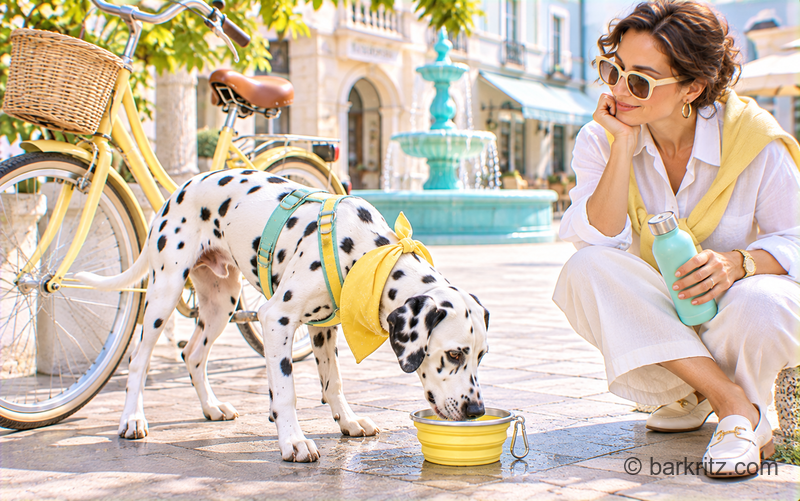
Summer pet fashion should prioritize minimal coverage, breathable construction, and sun-conscious accessories, with garments worn only when they provide a genuine benefit.
Heat is a more important consideration than appearance during the warmer months. Pavements can become dangerously hot, and even a stylish lightweight outfit may increase discomfort if it traps heat. Many dogs need no clothing during summer walks, while those with sparse coats or sensitive skin may benefit from carefully selected protective garments.
An elegant warm-weather collection might include:
- Light cotton bandanas: add a decorative accent without enclosing the body.
- Breathable mesh harnesses: provide practical support without unnecessary layers.
- Light-colored protective shirts: may offer coverage for dogs that need additional protection from sunlight, provided they are designed for canine use.
- Cooling accessories: can help certain dogs stay comfortable when used according to the manufacturer’s instructions.
- Lightweight paw protection: may be useful on particular surfaces when correctly fitted and introduced gradually.
The season’s palette can draw inspiration from Mediterranean summers: pale turquoise, soft coral, crisp white, and delicate mint. Small details such as contrast stitching or discreet embroidery can make even a simple accessory feel distinctive.
Sunglasses, elaborate hats, and decorative footwear may appear charming in photographs, but they should never be forced on a dog that finds them uncomfortable. Any accessory must remain secure without obstructing vision, hearing, breathing, or natural movement.
Walks should be scheduled for cooler morning and evening hours, with fresh water available throughout the outing. Check pavement temperatures before allowing a dog onto exposed surfaces, and seek shaded routes whenever possible. No fashionable garment can compensate for excessive heat exposure.
How Can Dogs Stay Warm and Elegant During Autumn and Winter Walks?
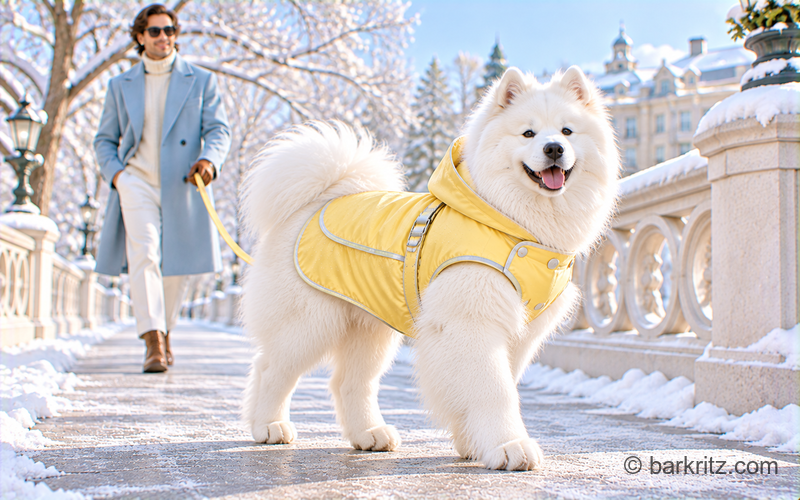
Autumn and winter wardrobes should combine appropriate insulation, weather-resistant outerwear, and secure accessories that protect dogs from cold, wind, rain, and snow.
As temperatures fall, a well-fitted coat can become an important part of everyday comfort. Small breeds, short-haired dogs, puppies, senior companions, and animals with certain health conditions may be particularly sensitive to low temperatures. Individual tolerance varies, so clothing should be selected according to the dog rather than the calendar.
A sophisticated cold-weather wardrobe can feature:
- Insulated coats: provide warmth for dogs that are sensitive to cold.
- Water-resistant shells: help keep the coat dry during rain, sleet, and wet snow.
- Soft fleece layers: offer lightweight insulation beneath an outer jacket.
- Knitted sweaters: provide an additional layer for dry, chilly conditions.
- Reflective trims: improve visibility during darker mornings and evenings.
- Weather-appropriate dog boots: may protect paws from ice, cold surfaces, and irritating de-icing products.
Autumn lends itself to muted olive, chestnut, burgundy, and warm caramel. Winter offers a cooler aesthetic, with pearl white, powder blue, forest green, and understated plaid patterns creating an elegant seasonal look.
Construction is especially important in colder weather. A coat should cover the areas that need protection without restricting the shoulders, chest, or hind legs. Closures must be secure but comfortable, and the lining should not become tangled in long fur.
Paw care is equally essential. After winter walks, inspect the pads and gently remove road salt, grit, and other residues. Boots can be useful for dogs that tolerate them, but they must fit securely and allow natural movement. Introduce unfamiliar footwear gradually indoors rather than expecting immediate acceptance outdoors.
A winter garment must also work with the dog’s harness. Avoid placing a restraint over bulky fabric if this changes its fit or compromises control. The safest design allows the harness to sit correctly against the body.
How Should Owners Choose Pet Clothing That Fits Different Breeds and Body Types?
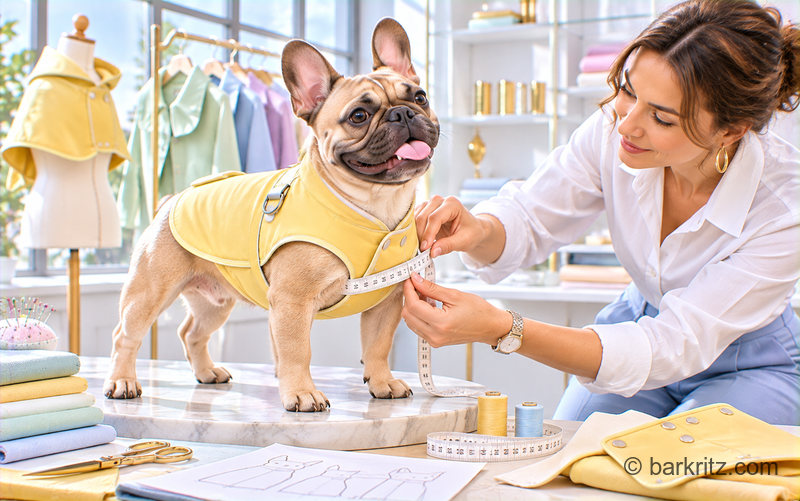
The most flattering and comfortable dog clothing is selected according to individual body proportions, coat characteristics, and movement rather than relying on breed names or standard size labels alone.
Two dogs with similar weights can have very different silhouettes. A Dachshund has an elongated body and relatively short legs, while a French Bulldog has a broad chest and compact frame. A Greyhound’s deep chest and narrow waist create another distinctive fitting challenge. A garment designed for one may be unsuitable for another.
Before purchasing a coat, sweater, or harness-compatible accessory, take accurate measurements:
- Neck circumference: measure where the collar naturally rests, leaving enough room for comfortable movement.
- Chest circumference: measure the widest part of the rib cage, usually just behind the front legs.
- Back length: measure from the base of the neck to the base of the tail.
- Body proportions: consider chest depth, leg length, and the dog’s natural posture.
- Movement: check whether the garment allows walking, sitting, turning, and toileting without resistance.
Different body types benefit from different design approaches:
- Long-bodied breeds: need extended back coverage and carefully positioned closures.
- Broad-chested breeds: often require adjustable chest panels and generous shoulder room.
- Deep-chested, slender breeds: benefit from contoured designs that stay in place without slipping.
- Small companion breeds: generally need lightweight garments with minimal bulk.
- Large, heavily coated breeds: may require less insulation and greater attention to breathability.
Material selection should reflect the dog’s natural coat as well. A smooth, short-haired dog may appreciate a soft lining, while a thick-coated breed may become uncomfortable in heavily insulated clothing. Long fur can catch in rough fastenings, making smooth linings and carefully finished seams particularly valuable.
Always supervise the first walks in a new garment. Shortened steps, repeated attempts to remove clothing, unusual scratching, excessive panting, or reluctance to move can indicate that the fit, material, or temperature is unsuitable.
Which Accessories Complete a Sophisticated Seasonal City-Walk Wardrobe?
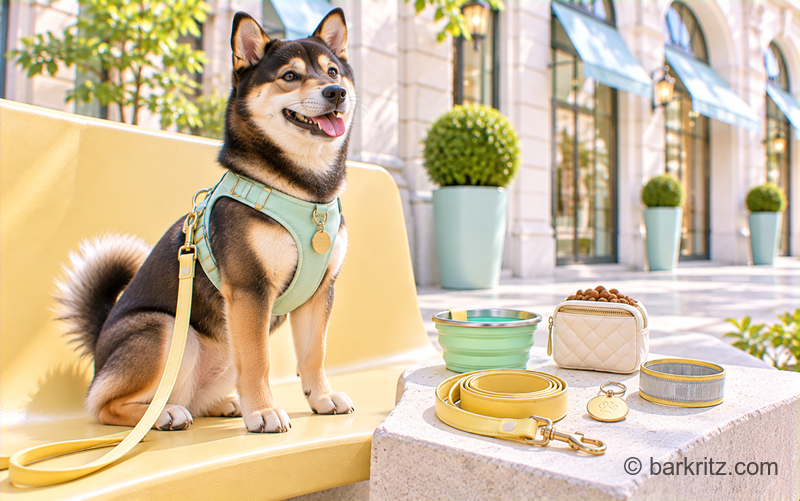
The finest canine accessories combine functional construction, reliable materials, and understated design details that complement an outfit without compromising safety.
A well-considered city-walk wardrobe extends beyond coats and sweaters. Collars, harnesses, leashes, identification tags, and practical carrying accessories contribute to the overall appearance while serving essential everyday purposes.
For a polished collection, consider:
- Leather or premium textile leashes: offer a refined appearance when fitted with secure hardware and comfortable handles.
- Well-fitted harnesses: provide reliable control and distribute pressure appropriately when correctly selected.
- Personalized identification tags: combine individual style with essential contact information.
- Compact treat pouches: keep rewards accessible during training and everyday walks.
- Foldable water bowls: provide a practical solution for longer outings.
- Reflective details: improve visibility in low-light conditions without overwhelming the design.
Color coordination can create a distinctive seasonal identity. A pale-blue harness may complement a spring raincoat, while a chestnut leather leash pairs naturally with autumn tones. In winter, reflective silver details provide a discreet finishing touch with a practical purpose.
Decorative elements should be selected carefully. Oversized bows, dangling ornaments, heavy metal accessories, and loose straps can become uncomfortable or catch on surrounding objects. Anything attached to a collar or garment must be secure, lightweight, and positioned so that it cannot be chewed or swallowed.
Regular maintenance preserves both appearance and function. Clean coats according to their care instructions, inspect stitching and fasteners, check leather for wear, and replace damaged leash hardware promptly. Accessories exposed to rain, snow, or road salt should be cleaned and dried thoroughly.
Ultimately, pet fashion for city walks is most successful when style follows the needs of the animal. A thoughtfully fitted raincoat, a breathable summer accessory, or a beautifully constructed winter layer can make an outing more comfortable while expressing the personality of its wearer. For the Four-Legged Elite, true sophistication is not about dressing for attention; it is about choosing every detail with comfort, confidence, and individuality in mind.