

Knitwear and Sweaters for Small Dogs
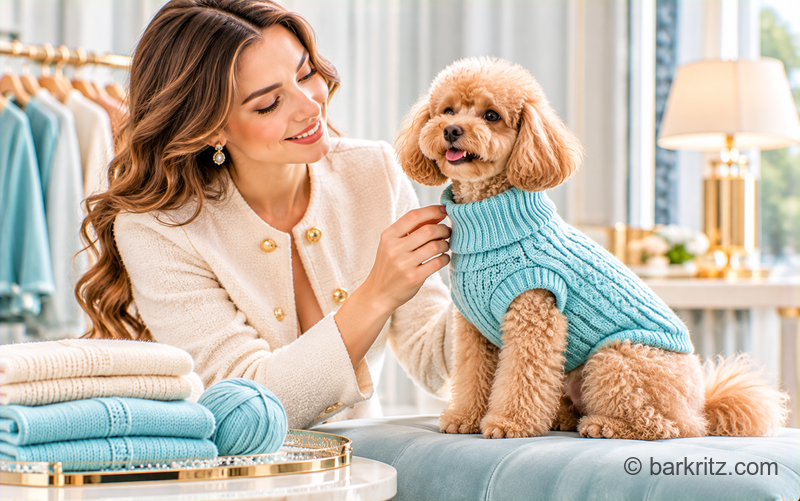
A beautifully chosen sweater can transform a small dog’s cold-weather wardrobe into an expression of personal style, combining thoughtful craftsmanship, comfort, and an unmistakable sense of refinement. From finely ribbed cashmere to intricate cable-knit designs, contemporary canine knitwear borrows from the traditions of classic fashion while addressing the practical needs of petite companions.
For small dogs, however, an exceptional sweater must offer more than visual appeal. Their proportions, coat types, activity levels, and sensitivity to temperature all influence the ideal choice. The most successful pieces balance an elegant silhouette with freedom of movement, gentle materials, and construction designed specifically for canine anatomy.
Which Knitwear Styles Are Best Suited to Small Dog Breeds?
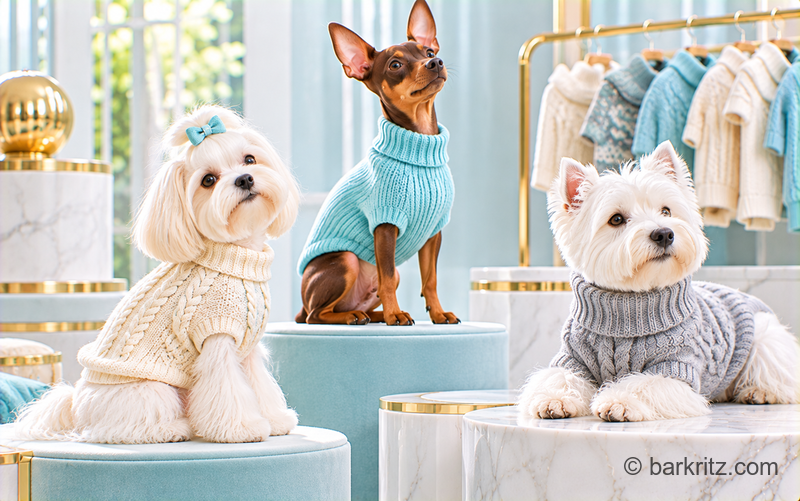
The most flattering knitwear for small dogs combines a proportionate silhouette, a comfortable neckline, and a carefully tailored fit that accommodates the chest, shoulders, and natural movement.
Small breeds offer considerable variety in body shape, making thoughtful design particularly important. A Yorkshire Terrier has a different frame from a Dachshund, while a Chihuahua may require a lightweight sweater that provides warmth without overwhelming its delicate proportions. A well-designed garment should follow the dog’s natural outline rather than simply resemble a miniature human sweater.
Several styles have become enduring favorites in refined canine wardrobes:
- Classic crew-neck sweaters: versatile everyday designs with a clean silhouette, suitable for layering and uncomplicated styling.
- Cable-knit pullovers: textured pieces inspired by traditional heritage knitwear, bringing dimension and a timeless character to a dog’s outfit.
- Turtleneck sweaters: elegant options offering additional coverage around the neck, particularly appealing for short-haired breeds.
- Ribbed fitted knits: streamlined designs that sit close to the body without restricting movement.
- Cardigan-inspired designs: distinctive pieces with decorative buttons or closures, best suited to calm occasions and carefully fitted construction.
Proportion is essential. A sweater should not extend so far over the hindquarters that it interferes with toileting, nor should its sleeves restrict the front legs. The ideal design appears effortless while remaining comfortable throughout the dog’s normal activities.
Which Fabrics Make Small-Dog Sweaters Comfortable and Durable?
The finest small-dog sweaters are made from soft, breathable, appropriately weighted fibers that provide warmth without causing irritation or excessive heat.
Material selection determines how a garment feels against the skin, how well it retains its shape, and how easily it can be maintained. Natural fibers are particularly appealing for their tactile qualities, although the best choice depends on the individual dog’s coat, sensitivity, and lifestyle.
Among the most desirable knitwear materials are:
- Cashmere: exceptionally soft, lightweight, and insulating, making it an appealing choice for carefully maintained special-occasion pieces.
- Merino wool: naturally temperature-regulating and breathable, with a fine texture that can feel comfortable against the body when properly processed.
- Cotton knit: lightweight and generally easy to care for, making it suitable for mild weather and indoor layering.
- Wool blends: combine warmth and structure, sometimes improving durability and helping garments retain their shape.
- Soft technical yarns: can offer practical advantages such as easier washing, resilience, and reduced maintenance.
Not every natural fiber is automatically suitable for every dog. Some animals may react to particular wool textures, while others may become uncomfortable in thick garments indoors. Owners should look for smooth seams, soft interior finishes, and labels that provide clear washing instructions.
A premium sweater should also withstand regular wear. Loose threads, easily detached decorative elements, and poorly finished edges can create discomfort or potential hazards. Quality is found not only in the fiber itself but also in the precision of the construction.
How Should a Sweater Fit a Small Dog Without Restricting Movement?
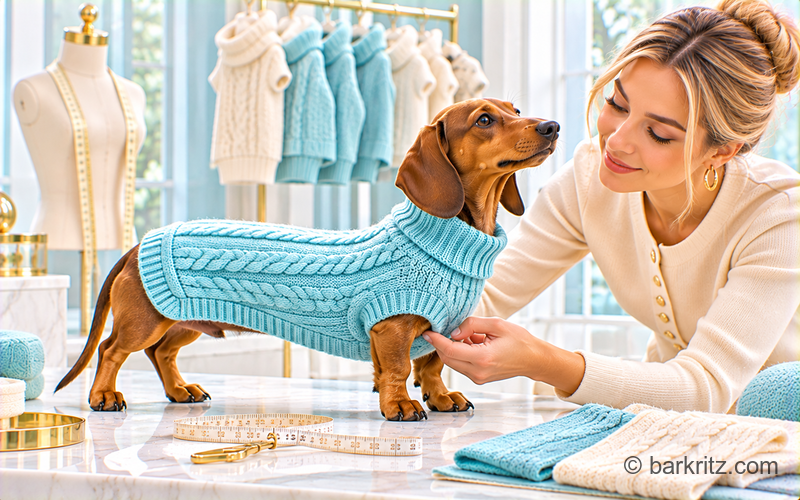
A properly fitted sweater should sit comfortably across the chest and shoulders, allow unrestricted movement of all four legs, and provide coverage without pulling, twisting, or bunching.
Accurate measurements are more reliable than choosing a size based solely on breed or weight. Two dogs of similar size can have very different proportions, particularly when comparing compact Chihuahuas, long-bodied Dachshunds, and sturdier Pugs.
Before purchasing knitwear, measure the following areas:
- Neck circumference: measured comfortably around the base of the neck, allowing enough room for easy movement.
- Chest circumference: taken around the widest part of the rib cage, usually just behind the front legs.
- Back length: measured from the base of the neck to the point where the sweater should end, without covering the tail or interfering with toileting.
- Body proportions: considered alongside the measurements to identify whether the dog needs a specialized cut.
A garment that is too tight can rub beneath the front legs, compress the chest, or make walking uncomfortable. Conversely, an oversized sweater may slip, twist, or catch on furniture and accessories.
Dachshunds often benefit from elongated designs that accommodate their distinctive body shape, while broad-chested breeds may require additional room through the torso. Toy breeds with delicate frames generally look best in lightweight knits that maintain a natural silhouette.
The final fitting should always include a short movement check. Allow the dog to walk, sit, turn, and lie down while wearing the sweater. If the garment shifts excessively, causes hesitation, or prompts repeated attempts to remove it, reconsider the size or construction.
How Can Owners Style Small-Dog Sweaters for Different Seasons and Occasions?
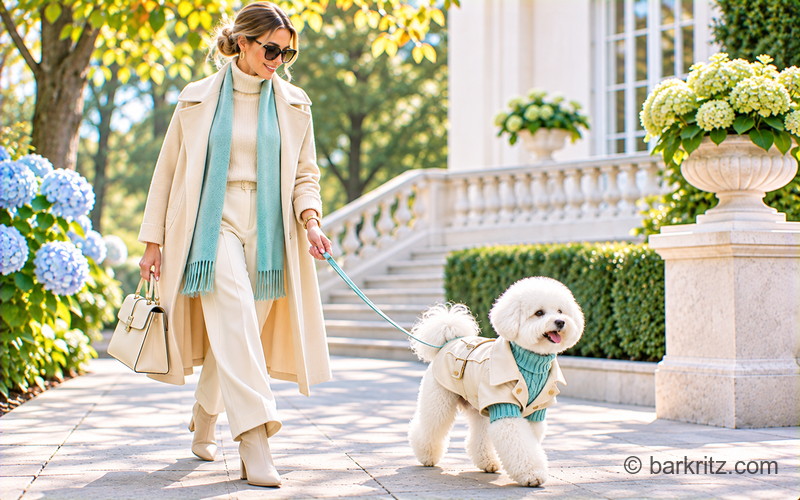
The most sophisticated canine wardrobes use knitwear as a versatile foundation, adapting colors, textures, and layering to the weather, setting, and dog’s individual comfort.
A classic sweater can move effortlessly between everyday walks, weekend outings, country retreats, and seasonal celebrations. The key is to select pieces that complement the dog’s natural coloring while remaining appropriate for the temperature and activity.
For an elegant everyday wardrobe, consider:
- Neutral classics: ivory, oatmeal, soft gray, and muted sage create versatile combinations that pair easily with collars and leads.
- Seasonal pastels: pale peach, powder blue, and soft lavender introduce color without overwhelming a petite silhouette.
- Heritage patterns: traditional cable knits, fine stripes, and subtle Fair Isle motifs add character while retaining a timeless appeal.
- Statement details: refined contrast edging, discreet embroidery, and carefully finished collars can elevate an otherwise simple design.
Seasonal styling should remain practical. Lightweight cotton or fine merino can suit cooler spring mornings, while a denser wool knit may be more appropriate for a chilly winter walk. Indoors, particularly in well-heated homes, a thick sweater may be unnecessary.
Layering requires equal consideration. A sweater worn beneath a properly fitted weatherproof coat can provide additional warmth in cold conditions, but the combined garments must not restrict the dog’s shoulders, chest, or breathing. Owners should also avoid excessive layering when temperatures rise.
Accessories should complement rather than complicate the outfit. A coordinated collar, a refined leash, or a simple seasonal bandana can complete the look without adding unnecessary weight or interfering with the sweater’s fit.
How Should Owners Care for Premium Knitwear and Know When Their Dog Needs a Sweater?
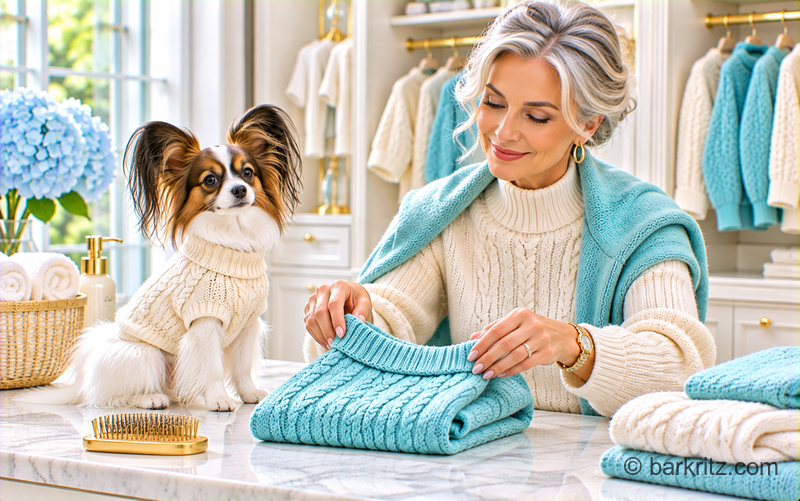
Premium canine knitwear lasts longest when it is washed according to its fiber requirements and worn selectively according to the dog’s actual need for additional warmth.
Cashmere and fine wool generally benefit from gentle hand washing or an appropriate wool-care cycle, using a mild detergent formulated for delicate fibers. Garments should be dried flat rather than hung, since the weight of wet knitwear can distort their shape. Cotton and certain technical blends may tolerate more straightforward machine washing, but individual care labels should always take priority.
A considered maintenance routine includes:
- Removing loose hair with a soft garment brush before washing.
- Using cool or lukewarm water when the fiber requires gentle treatment.
- Avoiding aggressive wringing, which can stretch or damage knitted structures.
- Drying garments flat on a clean towel, away from direct heat.
- Storing sweaters clean and completely dry, folded rather than hung.
Whether a dog actually needs knitwear depends on its breed, coat, age, health, and environmental conditions. Small dogs with short coats, limited body fat, or greater sensitivity to cold may benefit from an additional layer during chilly walks. Puppies and senior dogs may also require closer attention to temperature changes.
A sweater should never substitute for appropriate veterinary care or be treated as a universal necessity. Owners should watch for signs of discomfort, including shivering, reluctance to walk, repeatedly lifting paws, or seeking warm shelter. Equally, panting, restlessness, and attempts to remove clothing may indicate overheating.
The finest approach to canine style begins with the individual animal. A beautifully crafted sweater should feel like a natural extension of the dog’s wardrobe rather than a costume. When exceptional materials, precise tailoring, and genuine comfort come together, knitwear becomes an elegant expression of attentive ownership.