

How to Prevent Common Health Issues in Purebred Dogs
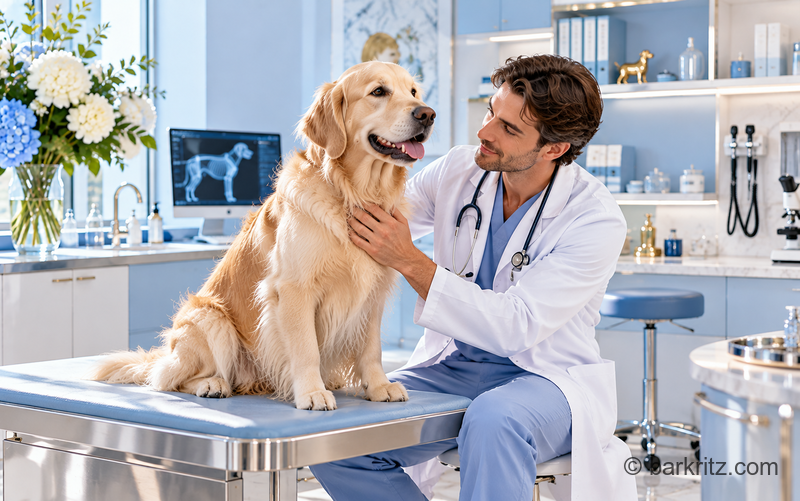
Purebred dogs bring distinctive temperaments, physical characteristics, and generations of carefully established breed heritage into the home. Yet the same inherited traits that make a breed recognizable can also influence its health, from joint development and breathing efficiency to eye function and cardiac performance. For discerning owners, responsible care begins long before symptoms appear. Understanding breed-specific risks, choosing appropriate preventive screenings, maintaining a healthy body condition, and building a consistent relationship with a veterinarian can help protect a dog’s comfort and quality of life throughout every stage of adulthood.
Prevention does not mean assuming that every purebred dog will develop a hereditary condition. It means recognizing individual vulnerabilities early, making informed decisions, and adapting care to the dog in front of you rather than relying on breed stereotypes.
Which Health Conditions Should Purebred Dog Owners Watch for Most Closely?
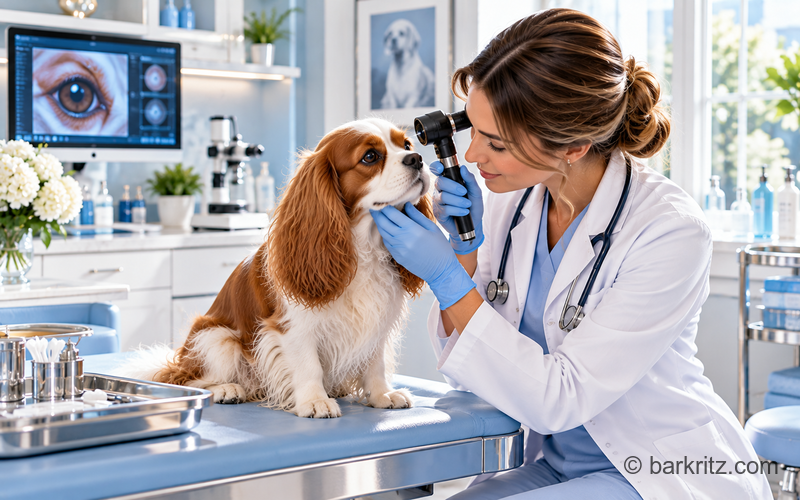
The most effective starting point is to identify the health conditions associated with a dog’s breed, family history, conformation, and individual medical record, then establish a preventive plan with a veterinarian.
Some inherited disorders are associated with particular breeds, while others occur across many different dogs. Hip and elbow dysplasia can affect joint function, certain breeds have elevated risks of specific cardiac disorders, and inherited eye diseases may gradually impair vision. Dogs with shortened muzzles can be particularly vulnerable to breathing difficulties, while some long-backed, short-legged breeds face increased risk of spinal problems.
Breed awareness is useful because it helps owners ask better questions, but it should never replace individual assessment. Two dogs of the same breed may have different genetic backgrounds, physical characteristics, and health needs. A reputable breeder’s health-screening records can provide valuable information, although no screening can guarantee that a puppy will remain free of every inherited condition.
Owners should pay attention to several major areas:
- Orthopedic health: Hip and elbow dysplasia, patellar luxation, and other joint conditions may affect movement, exercise tolerance, and comfort.
- Cardiac health: Some breeds have increased susceptibility to particular heart disorders that may require examination or specialist testing.
- Eye health: Inherited retinal conditions, cataracts, and other ocular disorders can require breed-appropriate screening and follow-up.
- Respiratory function: Brachycephalic breeds, including Bulldogs and Pugs, may experience airway obstruction, heat intolerance, and exercise limitations.
- Neurological and spinal health: Certain conformations and inherited disorders can increase vulnerability to back pain, weakness, or impaired coordination.
- Skin and ear health: Skin folds, allergies, coat characteristics, and ear shape can influence susceptibility to irritation and recurrent infections.
Ask your veterinarian which risks are most relevant to your dog’s breed and whether testing is recommended based on age, family history, and physical characteristics. Screening recommendations may differ between puppies, breeding-age adults, and senior dogs. The objective is a personalized prevention strategy, not an unnecessary battery of tests.
How Can Genetic Screening and Responsible Breeding Reduce Inherited Health Risks?
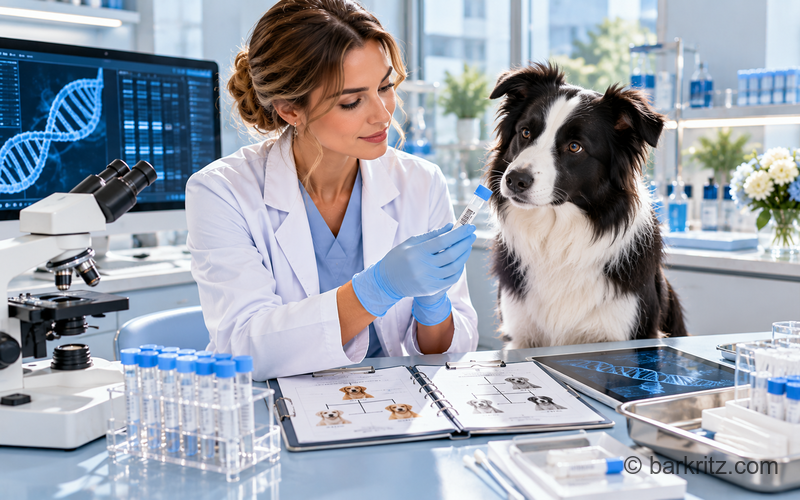
Genetic screening and responsible breeding practices can reduce the likelihood of certain inherited diseases, particularly when they are combined with appropriate clinical examinations and careful selection of breeding dogs.
A DNA test can identify specific inherited variants when a validated test exists for a known condition. Depending on the disorder, results may indicate whether a dog is genetically clear, a carrier, or genetically affected. However, a genetic result does not always predict whether or how severely a disease will develop. Some conditions involve multiple genes, environmental influences, or complex patterns of inheritance that a single test cannot capture.
Clinical health screening remains essential because many important disorders cannot be ruled out through DNA testing alone. Hip and elbow evaluations, cardiac examinations, eye assessments, and other breed-specific checks may provide information that genetic panels do not.
Before bringing a purebred puppy home, ask the breeder for documentation rather than relying on verbal assurances. Relevant questions include:
- Which health tests are recommended for the breed, and have both parents completed them?
- Were the parents evaluated by qualified veterinarians or recognized specialist screening programs where appropriate?
- Is there a family history of significant inherited conditions, early-onset disease, or unexplained premature deaths?
- Are the results available for independent verification through the relevant registry or testing organization?
- Does the breeder prioritize sound movement, functional breathing, appropriate body structure, and stable temperament alongside appearance?
It is important to understand the difference between a carrier and an affected dog. For some recessively inherited conditions, a carrier may remain healthy while still passing a disease-associated variant to offspring. Responsible breeding decisions take inheritance patterns into account rather than automatically excluding every carrier from a breeding program.
Equally, an attractive pedigree or championship title does not guarantee good health. Responsible breeders prioritize longevity, functional anatomy, temperament, and documented health information. Owners who adopt an adult dog or obtain a puppy without complete family records can still pursue appropriate veterinary screening; prevention remains valuable regardless of how much genetic information is available.
What Daily Habits Help Prevent Obesity, Joint Problems, and Metabolic Disease?

A consistent routine built around balanced nutrition, appropriate exercise, healthy body condition, and adequate recovery is one of the most practical ways to protect a purebred dog from preventable health complications.
Excess body fat increases mechanical stress on joints and can contribute to metabolic problems, reduced stamina, and diminished quality of life. Maintaining an appropriate body condition is particularly important for dogs already predisposed to orthopedic disease or breathing difficulties. Feeding recommendations should reflect age, activity, reproductive status, existing medical conditions, and the energy density of the chosen food rather than breed size alone.
Portion control is often more effective than relying on the label on a food package as a precise prescription. Measure meals consistently, account for treats, and reassess the amount whenever a dog’s weight or activity level changes. Your veterinarian can help establish a suitable target body condition and determine whether a nutritional adjustment is necessary.
Exercise should be equally individualized. Growing puppies need opportunities for movement and play, but activity should be appropriate for their development and physical structure. Adult dogs generally benefit from regular, manageable exercise, while senior dogs may need shorter sessions, gentler terrain, or more recovery time. Dogs with respiratory, cardiac, or orthopedic conditions require tailored guidance rather than a universal exercise target.
Useful daily habits include:
- Maintain a healthy body condition: Check your dog’s waistline and body contours regularly, and arrange a veterinary assessment if weight changes unexpectedly.
- Choose complete and balanced nutrition: Select a diet appropriate for the dog’s life stage and medical needs, and consult a veterinary professional before making major dietary changes.
- Keep activity consistent: Favor regular, suitable movement over sporadic intense exertion, particularly for dogs with joint or breathing vulnerabilities.
- Protect against overheating: Provide shade, fresh water, and rest; use extra caution in hot or humid weather, especially with brachycephalic breeds.
- Support dental health: Brush with dog-safe toothpaste when possible and arrange professional dental assessments to address plaque, gum disease, and painful oral conditions.
- Avoid unapproved supplements and medications: Joint supplements and other products may not be appropriate for every dog, while human medications can be dangerous or toxic to pets.
Small, repeatable decisions often have a greater cumulative impact than occasional intensive interventions. The goal is to preserve mobility, maintain stable energy levels, and support healthy aging without imposing a routine that exceeds the dog’s physical capacity.
How Often Should Purebred Dogs Receive Veterinary Examinations and Preventive Tests?
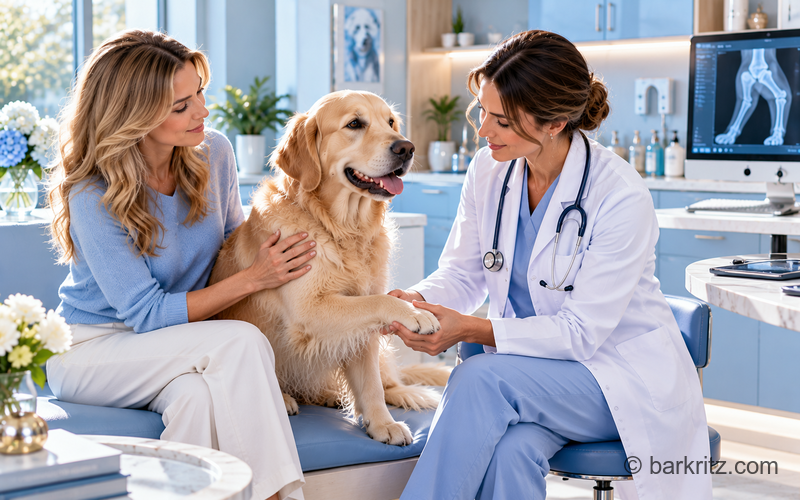
Purebred dogs benefit most from a veterinary schedule that combines regular wellness examinations with screening tests selected according to their breed, age, medical history, and emerging symptoms.
For a healthy adult dog, an annual examination is a useful baseline, although some dogs need more frequent appointments. Puppies require a series of visits for developmental assessments, vaccinations, parasite prevention, and discussions about nutrition and behavior. Senior dogs and animals with chronic conditions may benefit from examinations every six months or at intervals recommended by their veterinarian.
A routine examination can reveal subtle changes before they become obvious at home. Depending on the dog, the veterinarian may assess body condition, gait, joints, heart and lung sounds, teeth, ears, skin, vision, and neurological function. Bloodwork, urine testing, imaging, specialist examinations, or breed-specific screening may be appropriate when supported by age, clinical findings, or known inherited risks.
Preventive care should also include protection against infectious disease and parasites. Vaccination schedules depend on the dog’s age, previous immunizations, lifestyle, geographic exposure, and local veterinary guidance. Flea, tick, and intestinal parasite prevention should be selected according to individual risk and the products approved for the dog’s circumstances.
Owners can make appointments more productive by maintaining a concise health record that includes:
- Current weight and any noticeable changes in appetite, thirst, or energy.
- Vaccination dates, medications, parasite-prevention products, and previous test results.
- Changes in gait, breathing, sleep, skin, digestion, urination, or behavior.
- Relevant health information about the dog’s parents or relatives, when available.
- A list of questions about breed-associated risks, recommended screenings, and the timing of future assessments.
Do not wait for a scheduled checkup if concerning symptoms appear. Labored breathing, collapse, sudden weakness, severe pain, a swollen abdomen with repeated unsuccessful attempts to vomit, or suspected toxin ingestion warrant urgent veterinary attention. Persistent coughing, new exercise intolerance, repeated vomiting, unexplained weight loss, and changes in drinking or urination also deserve prompt assessment.
A preventive schedule is not a fixed checklist that remains unchanged throughout life. It should evolve as the dog matures, develops new needs, and enters its senior years.
How Can Owners Recognize Early Warning Signs Before a Health Problem Becomes Serious?

The earliest warning signs are often subtle departures from a dog’s normal behavior, movement, breathing, appetite, or daily routine, making consistent observation an essential part of preventive care.
Owners who know their dogs well are often the first to notice that a familiar activity has become uncomfortable. A dog may hesitate before climbing stairs, avoid jumping onto a favorite sofa, lag behind during a walk, or become unusually reluctant to play. These changes can indicate pain or reduced mobility even when there is no obvious limp.
Breathing changes deserve particular attention, especially in breeds with shortened muzzles. Persistent noisy breathing, excessive panting at rest, difficulty recovering after mild activity, or a reduced ability to tolerate warm weather should not automatically be dismissed as normal breed characteristics. Similarly, repeated head shaking, persistent scratching, eye discharge, bad breath, or recurrent digestive upset may signal a problem that warrants examination.
A simple observation routine can help owners identify patterns:
- Movement: Notice stiffness after rest, reluctance to use stairs, uneven weight-bearing, or changes in walking speed.
- Breathing and stamina: Watch for increased respiratory effort, unusual panting, coughing, or a decline in exercise tolerance.
- Eating and drinking: Record sustained changes in appetite, water consumption, swallowing, or weight.
- Skin, coat, and ears: Look for redness, odor, hair loss, discharge, persistent scratching, or recurring inflammation.
- Behavior and comfort: Pay attention to withdrawal, irritability, disrupted sleep, unusual vocalization, or resistance to being handled.
A written log or short video of an unusual movement or breathing pattern can help a veterinarian understand what happens at home. Record when the change began, how often it occurs, and whether it appears during a particular activity. Avoid trying to diagnose the problem or treating persistent symptoms with supplements or leftover medication without professional advice.
Prevention also includes knowing when observation is no longer enough. Sudden paralysis, seizures, severe respiratory distress, collapse, uncontrolled bleeding, or signs of extreme pain require immediate veterinary assistance. When in doubt, contact a veterinary clinic for guidance rather than waiting to see whether the condition resolves on its own.
The most responsible approach to purebred dog wellness combines respect for breed heritage with an individualized understanding of health. Genetic information, suitable nutrition, thoughtful exercise, routine screening, and attentive observation each play a role, but none can guarantee a life free of disease. What owners can do is create the best conditions for early detection, effective treatment, and sustained comfort—allowing their dogs to enjoy the distinctive qualities of their breed while being cared for as individuals.