

Pet-Friendly Vineyards and Country Estates in Tuscany
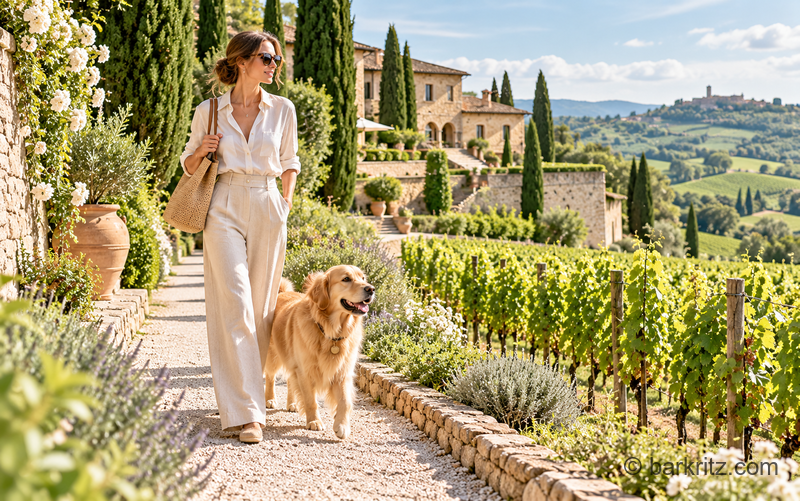
Tuscany offers a particularly appealing escape for travelers who want to combine vineyard landscapes, historic country estates, exceptional regional cuisine, and the company of a beloved four-legged companion. From the rolling hills of Chianti to the quieter countryside around San Gimignano and Cortona, the region offers stays where rural character and considered hospitality come together. The key is choosing a property that welcomes pets not merely as an exception, but as part of the travel experience—with outdoor space, comfortable accommodation, scenic walking routes, and clear policies for vineyard visits and dining.
Which Tuscan Wine Estates Offer the Most Memorable Pet-Friendly Stays?
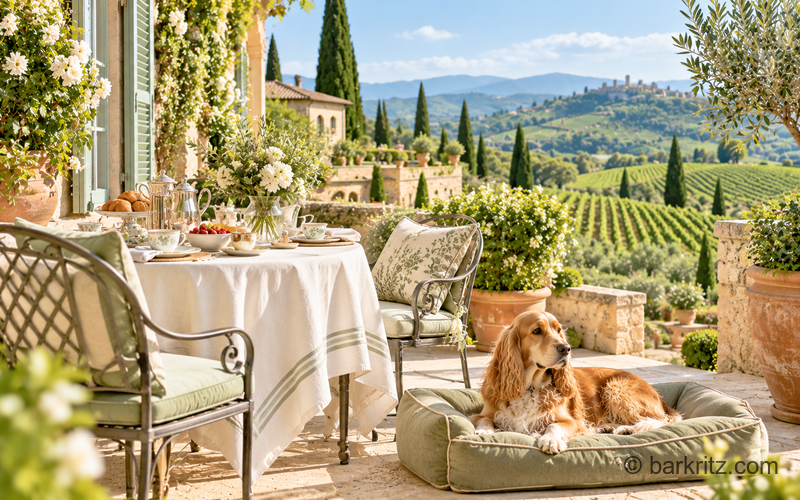
The most rewarding pet-friendly vineyard stays in Tuscany combine beautiful rural settings with accommodation policies that make traveling with a dog straightforward and comfortable.
Borgo Scopeto Wine & Country Relais, near Siena, is an appealing option for travelers drawn to historic architecture, gardens, vineyards, and countryside walks. The estate welcomes four-legged guests and offers green spaces where visitors can enjoy the surroundings with their dogs. Its atmosphere suits travelers seeking a refined country retreat rather than a conventional urban hotel.
Le Giuncaie, a wine and hospitality property surrounded by vines and olive trees, offers a more intimate countryside experience. Its identity is closely connected to its own wines, rural landscape, and the dogs who are part of the estate’s story. It is particularly attractive to travelers who prefer a personal, agricultural setting over a formal resort.
Agriturismo Poggiacolle, near San Gimignano, provides another compelling base, with vineyards, olive groves, wooded areas, and views toward the medieval town. Its pet-friendly approach and rural surroundings make it a natural choice for visitors who want to combine time in the countryside with excursions to Tuscany’s historic towns.
When comparing properties, consider the experience each one prioritizes:
- Borgo Scopeto: Historic estate atmosphere, gardens, and countryside walks.
- Le Giuncaie: Intimate wine-country hospitality among vines and olive trees.
- Poggiacolle: Farmhouse character, open landscapes, and convenient access to San Gimignano.
The distinction between a pet-friendly accommodation and a pet-friendly winery is important. A property may welcome dogs in guest rooms and outdoor areas while restricting access to tasting rooms, production facilities, or restaurants. Confirm these details before booking, especially if a vineyard tour is central to your itinerary.
Where Can You Combine Vineyard Walks, Olive Groves, and Countryside Exploration With Your Dog?
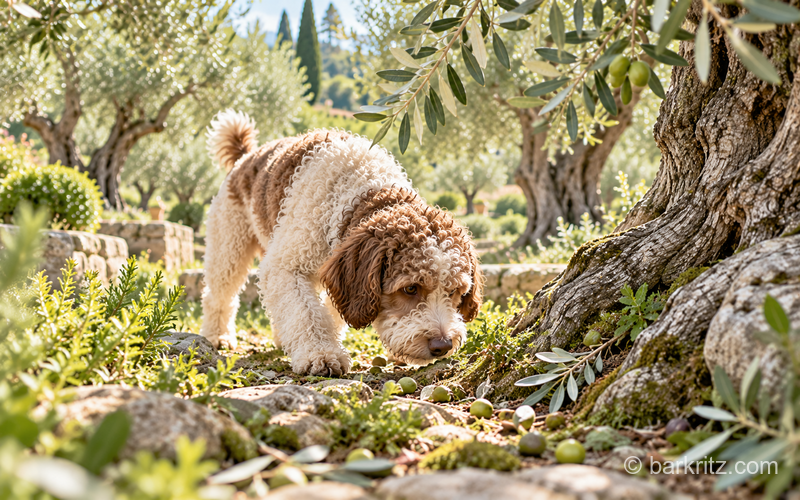
The Chianti countryside and the rural landscapes around Cortona are especially appealing for travelers who want their dogs to experience Tuscany beyond the confines of an estate.
The historic countryside between Greve in Chianti, Panzano, and Montefioralle offers a network of scenic roads and walking routes through vineyards, woods, olive groves, and small villages. These landscapes lend themselves to leisurely excursions, with opportunities to pause for photographs, explore quiet streets, and enjoy the changing scenery.
The area around Agriturismo Metina, in the countryside near Cortona, is another option for dog owners seeking a relaxed rural stay. The property welcomes dogs of different sizes and offers access to walks through the surrounding greenery, vineyards, and olive groves. Its setting is suited to travelers who would rather begin a countryside stroll directly from their accommodation than organize every outing around a car journey.
For a different landscape, Podere Tegline, in the Chianti area near Radda in Chianti, offers a nature-oriented stay surrounded by vineyards, olive groves, and oak woodland. The property is designed for peaceful relaxation, with outdoor spaces and a rural setting that appeals to visitors traveling with pets.
A well-planned day outdoors should balance exploration with your dog’s needs:
- Morning: Choose a shaded countryside path before temperatures rise, bringing fresh water and allowing time for sniffing and unhurried stops.
- Midday: Return to the estate for rest, particularly during the warmer months.
- Late afternoon: Explore a village or take a shorter walk through the surrounding landscape.
- Evening: Enjoy an outdoor meal where dogs are explicitly permitted, or arrange a comfortable alternative if restaurant access is restricted.
Keep dogs on a lead around livestock, wildlife, farm machinery, and vineyard rows unless the property specifically permits otherwise. Working agricultural land is not a public dog park, and young vines, irrigation equipment, and farm animals all require consideration. During warmer weather, check the ground temperature and avoid strenuous walks in direct midday sun.
Which Tuscan Country Estates Are Best for a Refined Stay With Your Pet?
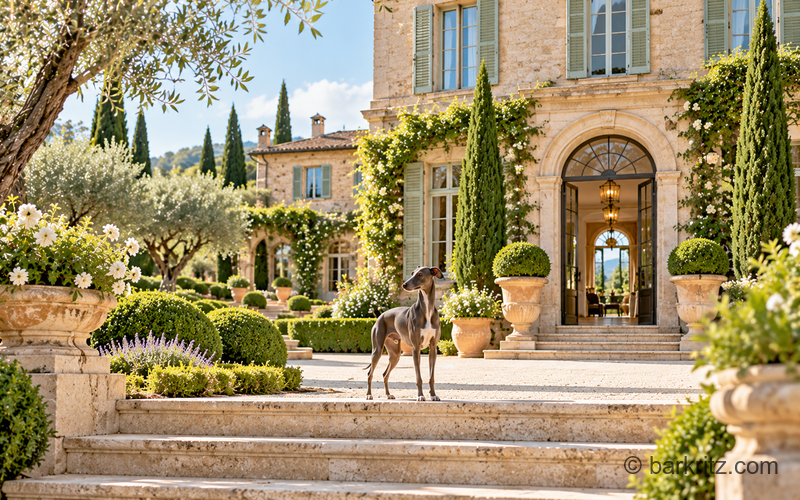
The best country estates for a refined pet-friendly escape combine distinctive architecture, private or semi-private outdoor space, and a clearly communicated approach to welcoming animals.
Soiano, in Montaione, offers an appealing combination of restored Tuscan accommodation, organic agriculture, vineyards, and olive groves. Its apartments and countryside setting suit travelers who appreciate privacy and the freedom to structure each day around walks, local food, and time outdoors. The property’s pet-friendly approach makes it worth considering for a relaxed stay in the Valdelsa area.
Borgo de’ Ricci, in Impruneta near Florence, combines historic residences with a garden setting and a long association with winemaking through the Lanciola Winery. Its self-catering apartments offer a useful alternative to a traditional hotel for travelers who prefer additional space and a degree of independence. The location also makes it practical to combine rural relaxation with visits to Florence, subject to transport and pet-access arrangements.
La Pievuccia, near Castiglion Fiorentino, provides a countryside farm stay surrounded by olive groves and open landscapes. Pets are permitted under the property’s rules, making it an option for visitors who value an agricultural environment and a more informal connection to rural Tuscany.
When selecting an estate, look beyond the photographs and assess the details that will shape your stay:
- Outdoor access: A private terrace, ground-floor apartment, or directly accessible garden can make daily routines easier.
- Room configuration: Confirm whether pets are allowed in every accommodation category or only selected rooms.
- Dining arrangements: Ask whether dogs may join you on outdoor terraces, in designated restaurant areas, or at breakfast.
- Walking opportunities: Determine whether paths begin at the property or require a drive.
- House rules: Clarify fees, lead requirements, unattended-pet policies, and restrictions around pools or shared facilities.
A property with an expansive garden is not automatically the most suitable choice. Secure boundaries, nearby roads, resident animals, and wildlife may affect how freely a dog can move. For travelers with cats, an enclosed and secure accommodation is particularly important; open rural surroundings can pose risks to animals unfamiliar with the outdoors.
Which Pet-Friendly Vineyards Allow Dogs to Join Wine-Tasting Experiences?
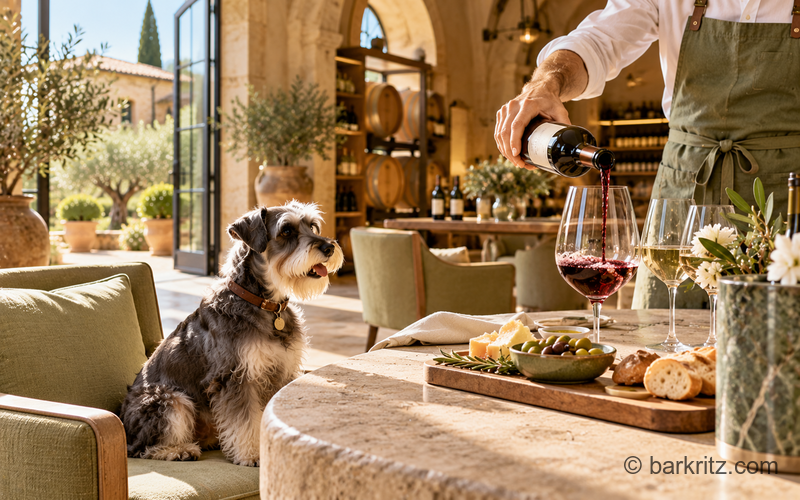
The most successful wine-tasting experience with a pet is one arranged directly with the estate, with explicit confirmation of where the animal may accompany its owner.
Tuscany’s wineries vary considerably in their policies. Some welcome dogs in outdoor tasting areas, selected gardens, or private experiences, while others restrict animals to designated spaces or require small dogs to remain in carriers. A pet-friendly hotel on a wine estate does not necessarily mean that every cellar, production area, or tasting room is accessible.
Le Filigare, in the Chianti Classico region, illustrates why advance planning matters: small dogs are permitted at the estate under specific conditions, including being carried in a suitable carrier, and prior permission is required. For travelers whose dogs are too large to be carried comfortably, this restriction may influence which tasting experience is appropriate.
When contacting a winery, ask about the precise format of the visit rather than simply whether pets are welcome. An outdoor tasting beneath a pergola may offer a more relaxed experience than a guided tour through a busy cellar, while a private appointment may allow greater flexibility if arranged in advance.
A few practical questions will help establish whether the visit suits both you and your pet:
- Where may the dog accompany you? Confirm access to the tasting room, outdoor terrace, gardens, and cellar separately.
- Is advance approval required? Some wineries limit pet access or require confirmation before arrival.
- Are there size or carrier restrictions? Ask whether the policy differs for small and large dogs.
- Can the tasting be held outdoors? A shaded table can be more comfortable for a dog than a crowded interior.
- How long will the experience last? Choose a visit that allows breaks and does not require your pet to remain settled for an excessive period.
A considerate wine-country itinerary should not revolve entirely around tasting appointments. Alternate winery visits with walks, quiet meals, and rest at the accommodation. Never leave a dog unattended in a parked car, where temperatures can become dangerous even when the weather initially feels mild.
For a polished and uncomplicated experience, reserve the tasting first, obtain written confirmation of the pet policy, and plan the surrounding activities around the access that the winery actually permits.
How Should You Plan a Pet-Friendly Tuscan Vineyard Holiday for Maximum Comfort?
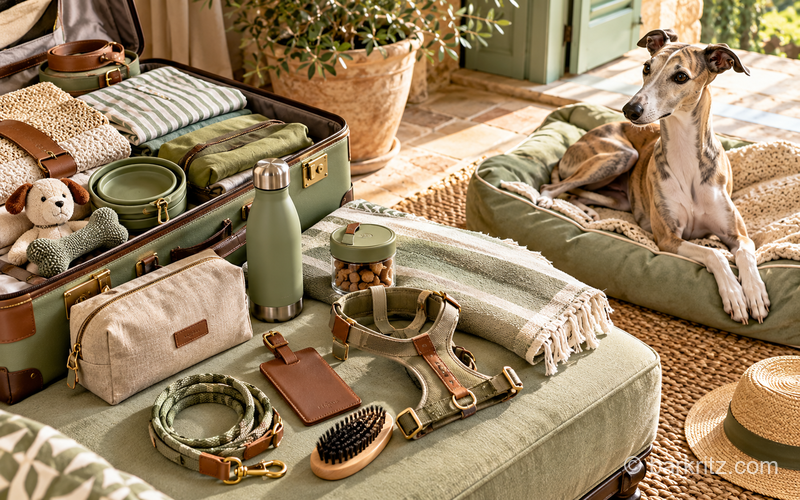
A comfortable Tuscan vineyard holiday begins with choosing the right season, verifying accommodation and winery policies, and building a flexible itinerary that respects your pet’s routine.
Spring and autumn are often attractive for countryside travel because temperatures can be more comfortable for walking than during the height of summer. Spring brings fresh greenery and changing vineyard landscapes, while autumn offers harvest-season activity and warm colors across the hills. Harvest periods can also mean busier estates, working vehicles, and restricted access to certain areas, so confirm arrangements before visiting.
Summer requires more careful scheduling. Plan walks for the cooler hours, provide constant access to fresh water, and make sure your accommodation offers adequate shade and ventilation. Dogs with short muzzles, older animals, and pets with mobility or respiratory concerns may need additional precautions, with advice from a veterinarian where appropriate.
Before departure, prepare a travel kit containing:
- Familiar food and treats, with enough for the journey and initial days of the stay.
- A secure lead, harness, identification tag, and a carrier if needed.
- Water, a portable bowl, waste bags, and a familiar blanket.
- Any prescribed medication and relevant veterinary records.
- A towel for muddy paws and a brush suited to your pet’s coat.
- Contact details for a nearby veterinary practice and the accommodation.
If traveling internationally, check the current entry requirements for Italy, including microchip identification, rabies vaccination, and any documentation required for your point of departure. Requirements can differ according to the country and route, so confirm them well before travel.
Once in Tuscany, keep the first day relatively light. Allow your pet to settle into the accommodation, identify suitable walking routes, and establish where it can comfortably rest while you enjoy meals or tastings. If you are traveling with more than one animal, confirm the property’s maximum number of pets and any additional charges.
Above all, approach the countryside as a working landscape as well as a beautiful destination. Respect vineyard boundaries, keep pets away from machinery and agricultural treatments, and follow each estate’s instructions around resident animals and shared spaces. A little preparation makes it easier to enjoy the region’s architecture, wine culture, food, and scenery without compromising your companion’s comfort.
The most memorable Tuscan escape is not necessarily the estate with the grandest entrance or the longest wine list. It is the place where hospitality, landscape, and practical pet care work together—allowing you to savor the pleasures of the countryside while your four-legged companion remains a welcome part of the journey.