

Best Pet-Friendly Villas in the South of France
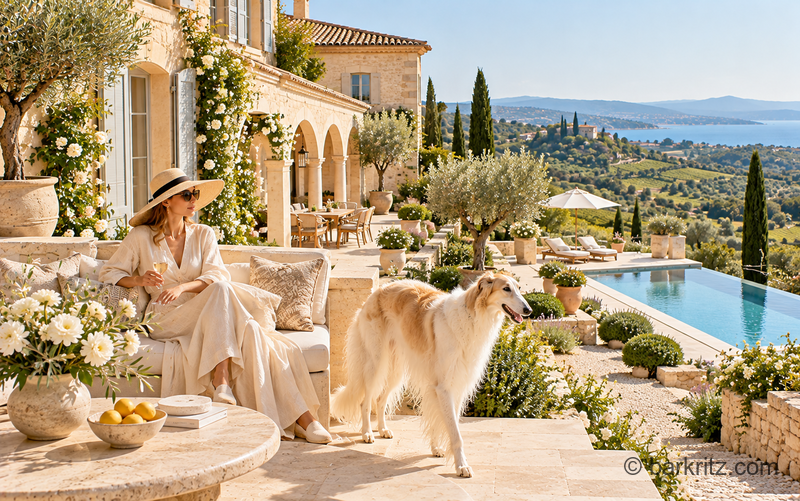
The South of France offers an irresistible combination of Mediterranean light, historic villages, private gardens, vineyard landscapes, and elegant coastal living. For travellers accompanied by their dogs, a private villa can provide something a hotel rarely matches: space to settle in, outdoor areas for relaxed mornings, and the freedom to organise each day around both human and animal companions. From the lavender-scented countryside of Provence to the glamorous shores of the French Riviera, the finest pet-friendly villas balance architectural character with practical details that make travelling with a pet genuinely comfortable.
The key is to look beyond beautiful interiors and swimming pools. Secure outdoor space, suitable flooring, nearby walking routes, shade, and clearly stated pet policies can make the difference between a picturesque rental and a truly rewarding retreat.
Which Pet-Friendly Villas in Provence Offer the Most Authentic Countryside Escape?
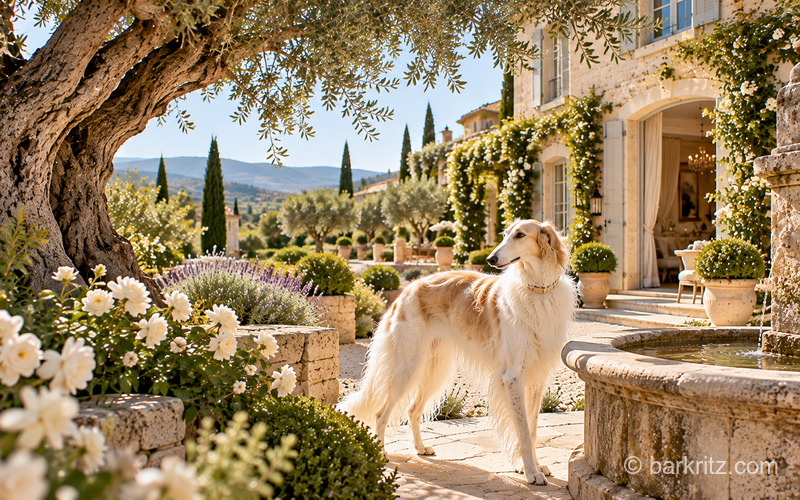
The most appealing pet-friendly villas in Provence combine traditional Provençal architecture, private outdoor space, and easy access to quiet countryside paths, making them ideal for travellers seeking a slower Mediterranean rhythm. Look for restored stone mas, shaded terraces, enclosed gardens, and villages within a short drive rather than properties chosen solely for their photographs.
A traditional mas is a farmhouse-style property often built from local stone, with thick walls, tiled roofs, and generous outdoor areas. Many have been adapted into private holiday residences, pairing historic character with contemporary kitchens, comfortable bedrooms, and landscaped gardens. For guests with dogs, the layout matters as much as the architecture: a garden with a secure boundary and direct access from the living area can make daily routines considerably easier.
When comparing properties, prioritise these features:
- Enclosed gardens: Confirm that boundaries are secure and that gates close properly, particularly if your dog is curious or inclined to wander.
- Shaded outdoor areas: Mature trees, covered terraces, and sheltered seating offer welcome relief during warm afternoons.
- Walkable surroundings: Paths through olive groves, vineyards, or quiet lanes provide opportunities for daily exercise without constant driving.
- Practical interiors: Stone or tiled floors are generally easier to clean than delicate carpets, while a utility room can be useful after muddy walks.
- Village access: Nearby bakeries, markets, and restaurants make it easier to enjoy the region without planning every outing around the car.
The Luberon is especially attractive for travellers drawn to hilltop villages, dry-stone architecture, and rolling landscapes. Around places such as Gordes, Ménerbes, and Bonnieux, visitors can combine scenic drives with outdoor meals and leisurely walks. The Alpilles offer another appealing setting, with olive groves and the historic atmosphere of Saint-Rémy-de-Provence.
Summer temperatures can be intense, so a villa should offer reliable shade and a cool indoor retreat. Walk dogs during cooler hours, provide constant access to fresh water, and never leave an animal unattended in a hot vehicle or an enclosed outdoor area without adequate protection.
Where Can You Find Pet-Friendly Villas on the French Riviera with Private Gardens and Coastal Access?
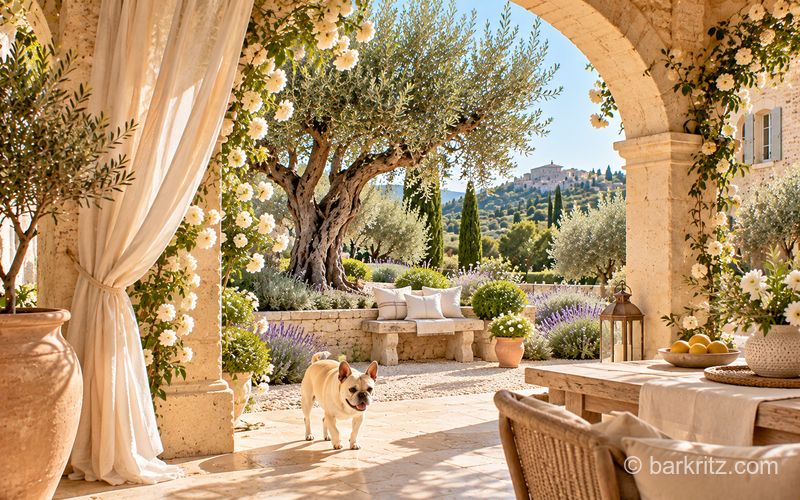
The French Riviera is best suited to travellers who want a private villa within reach of beaches, coastal promenades, and celebrated Mediterranean towns, provided the property’s pet rules and local beach regulations are checked in advance. The most practical choices combine a peaceful residential setting with convenient access to everyday essentials.
Around Antibes, Mougins, Valbonne, and the hills above Cannes, villas may offer landscaped gardens, shaded terraces, and swimming pools while remaining close enough to explore the coast. Saint-Paul-de-Vence appeals to visitors who appreciate art, historic lanes, and a quieter village atmosphere, while properties farther inland can provide more privacy and outdoor space than those directly beside the waterfront.
A coastal villa should be assessed for more than its sea view:
- Garden security: A secure perimeter is particularly valuable in busy resort areas where roads and neighbouring properties may be close by.
- Pool access: Ask whether the pool can be securely separated from the dog and whether the surrounding terrace becomes excessively hot.
- Beach rules: Dog access varies by municipality and season; confirm the current regulations for each beach you plan to visit.
- Outdoor dining: A shaded terrace with a dining area lets the household enjoy long lunches while keeping the pet comfortably nearby.
- Transport convenience: Consider parking and driving distances to walking routes, veterinary services, shops, and pet-friendly restaurants.
The Riviera’s coastline can be busy in peak summer, and not every sandy beach permits dogs. Some stretches of coast have designated dog-friendly areas, while others restrict access during particular months. A villa with a pleasant garden and nearby walking routes can therefore be more useful than one advertised primarily for immediate beach access.
Travellers should also consider the season. Late spring and early autumn often bring milder walking temperatures and a more relaxed pace than the height of summer. Whatever the dates, verify the villa’s exact pet allowance, any additional cleaning fee, and whether dogs may remain inside when guests leave the property.
Which Languedoc and Occitanie Villas Offer Space, Privacy, and a More Relaxed Mediterranean Stay?
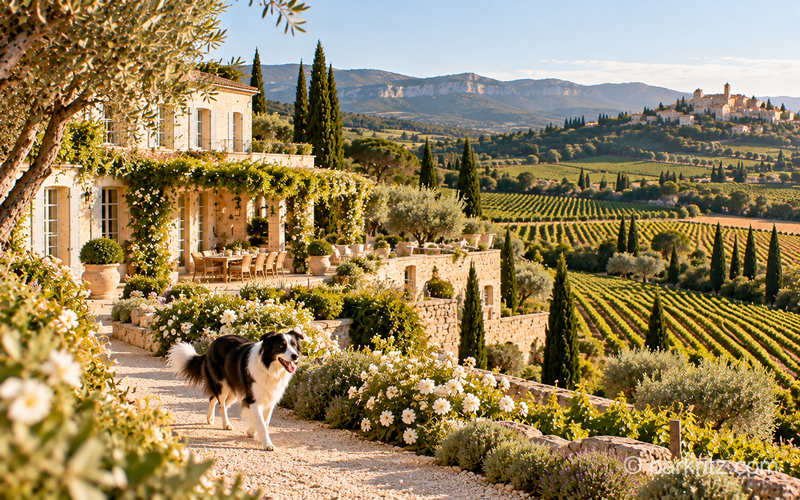
For travellers seeking generous outdoor space and a less concentrated resort atmosphere, the countryside of Occitanie and the western Mediterranean offers an appealing alternative to the busiest Riviera destinations. Villas around the Hérault, Aude, and Gard can combine traditional stone architecture, private gardens, vineyard surroundings, and access to villages or coastal landscapes.
This broader region includes historic market towns, vineyards, wooded hills, and Mediterranean beaches. Depending on the property, visitors may find a converted farmhouse with a courtyard, a contemporary villa surrounded by olive trees, or a rural residence with extensive grounds. Such settings can suit dogs that benefit from a calmer environment, although a large garden is not a substitute for supervised exercise and walks.
When comparing villas in this region, look for:
- Room to settle in: A well-planned layout with direct garden access can make daily routines easier.
- Private outdoor dining: Covered terraces allow long meals outside while providing shade during warmer hours.
- Nearby nature: Rural paths, woodland routes, and quiet country lanes create opportunities for varied walks.
- Local character: Properties near historic villages and markets offer a sense of place beyond the villa itself.
- Seasonal comfort: Air conditioning, shutters, ventilation, and shaded outdoor areas can be important during summer heat.
The countryside near Pézenas and the vineyards of the Hérault offers a different mood from the Riviera’s coastal glamour. Further inland, the landscapes around Uzès combine historic architecture with access to rural walking routes and regional markets. Travellers who want occasional beach days can select a property within driving distance of the coast while retaining the privacy of a countryside base.
Before booking, check whether the garden is fully enclosed, whether nearby land is used for livestock or hunting, and whether the property has rules concerning dogs near neighbouring homes. Rural settings can expose pets to unfamiliar animals, wildlife, ticks, and foxtails, so routine parasite prevention and post-walk checks are sensible precautions.
How Can You Choose a Luxury Villa in the South of France That Truly Welcomes Pets?
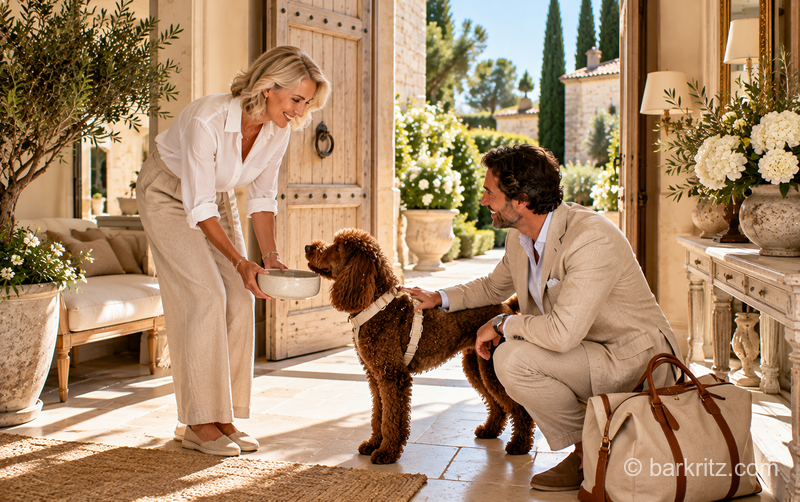
The best pet-friendly villa is one whose written policy, physical layout, and surrounding environment genuinely accommodate your particular animal, rather than simply allowing pets as an exception. A clear description of the property and direct confirmation from the host are essential before paying a deposit.
Listings sometimes use “pet-friendly” to describe very different arrangements. One owner may welcome multiple dogs with unrestricted access to the garden, while another may permit only one small dog, prohibit pets from bedrooms, or charge a substantial cleaning fee. These distinctions should be resolved before booking.
Use the following checklist when assessing a property:
- Pet policy: Confirm the permitted species, number and size of animals, extra fees, and any restrictions on furniture or rooms.
- Garden and fencing: Request current details or photographs of the boundary, gate, and any gaps through which a pet might escape.
- Indoor comfort: Ask about flooring, air conditioning, stairs, and whether there is a cool resting area during hot weather.
- Pool safety: Establish whether access can be restricted and whether the pool area is secure when unsupervised.
- Nearby facilities: Identify a veterinary clinic, a suitable walking route, and shops that stock your pet’s usual food.
- Cleaning and deposits: Clarify what is included in the rental price and which conditions could result in additional charges.
- Local rules: Check requirements for beaches, public transport, restaurants, and protected natural areas you intend to visit.
It is also worth asking the host about practical details that photographs rarely reveal: whether gardeners enter the property during the stay, whether the garden is treated with chemicals, whether neighbouring dogs are present, and whether the villa has an alarm or automatic gate that could startle an animal.
For international visitors travelling with a dog, France’s entry requirements should be checked well before departure. Depending on the country of origin, these may include microchip identification, valid rabies vaccination, and the appropriate animal health certificate or pet passport. Requirements can change, so consult official veterinary or government guidance for the exact route and travel date.
What Should You Pack for a Comfortable Villa Holiday with Your Pet in the South of France?
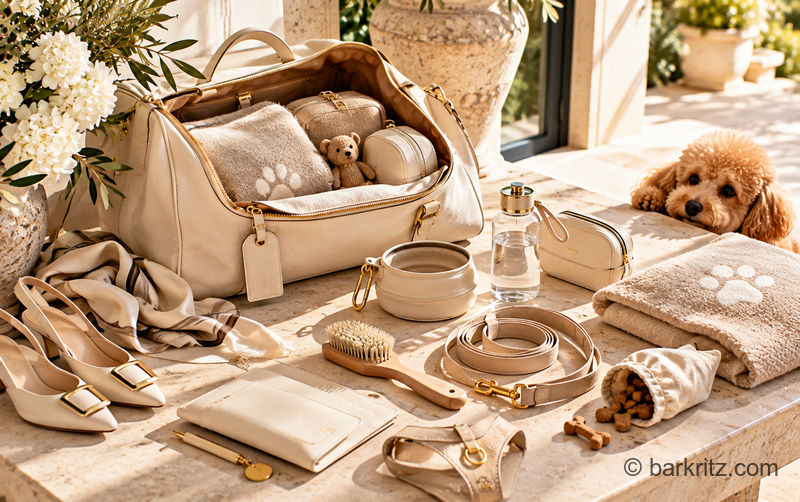
A well-prepared pet travel kit should preserve familiar routines while accounting for the region’s warm climate, outdoor activities, and the practicalities of staying in a private residence. Bringing familiar essentials can help an animal settle into an unfamiliar property more quickly.
Pack with the villa’s features and your itinerary in mind, rather than relying on the assumption that every item will be available locally.
- Familiar bedding: A favourite bed or washable blanket can provide a recognisable resting place.
- Food and feeding equipment: Bring enough of your pet’s usual food for the journey and the first days, along with familiar bowls.
- Lead, harness, and identification: Ensure all equipment fits securely and that identification details are current.
- Water and cooling supplies: Carry a portable water bowl and plan walks around the day’s temperature.
- Grooming and cleaning essentials: Towels, waste bags, a brush, and pet-safe cleaning supplies are useful after outdoor excursions.
- Health documentation: Keep vaccination records, travel documents, medication details, and your veterinarian’s contact information accessible.
- Emergency contacts: Save the details of a nearby veterinary practice and an emergency clinic before arrival.
Once at the villa, inspect the garden and interior before allowing your pet to explore freely. Check gates, balconies, pool access, household chemicals, and any gaps in fencing. Establish a comfortable resting area away from direct sun, and keep food and water in a consistent location.
The South of France rewards a relaxed style of travel, but its warm weather calls for sensible planning. Avoid strenuous walks during the hottest hours, check pavement temperatures before heading out, and provide frequent opportunities to drink and rest. Never leave a pet alone in a parked car, even briefly.
The ideal pet-friendly villa is not necessarily the largest or most photographed property; it is the one that allows everyone to enjoy the destination comfortably. Whether the setting is a Provençal farmhouse, a Riviera residence, or a secluded country retreat in Occitanie, secure outdoor space, thoughtful preparation, and a welcoming host make a more meaningful difference than decorative grandeur alone.