

How to Choose Pet-Friendly Accommodation in Major Cities
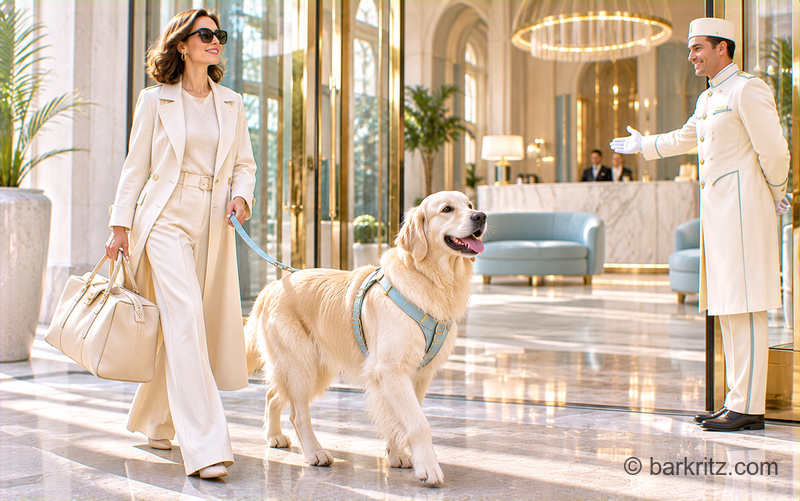
A city escape becomes considerably more rewarding when a beloved pet is welcomed as a genuine guest rather than treated as an exception to hotel policy. From New York and London to Paris, Tokyo, and Milan, major cities offer an increasingly sophisticated selection of pet-friendly accommodation, ranging from elegant boutique hotels to expansive serviced residences. Yet a welcoming description does not always guarantee a comfortable stay for both owner and animal.
The best accommodation combines thoughtful hospitality with practical details: suitable room layouts, accessible outdoor spaces, transparent pet policies, convenient transportation, and attentive staff who understand the needs of traveling companions. For discerning travelers, the distinction lies in finding a property where comfort, location, and genuine pet-friendly service are equally well considered.
Choosing wisely requires looking beyond a hotel’s general reputation or interior design. A beautiful property may have restrictive size limits, additional charges, or limited facilities, while a less conspicuous address may offer a considerably more accommodating experience. A successful city stay begins with understanding what your pet actually needs.
What Should You Look for When Choosing a Truly Pet-Friendly City Hotel?
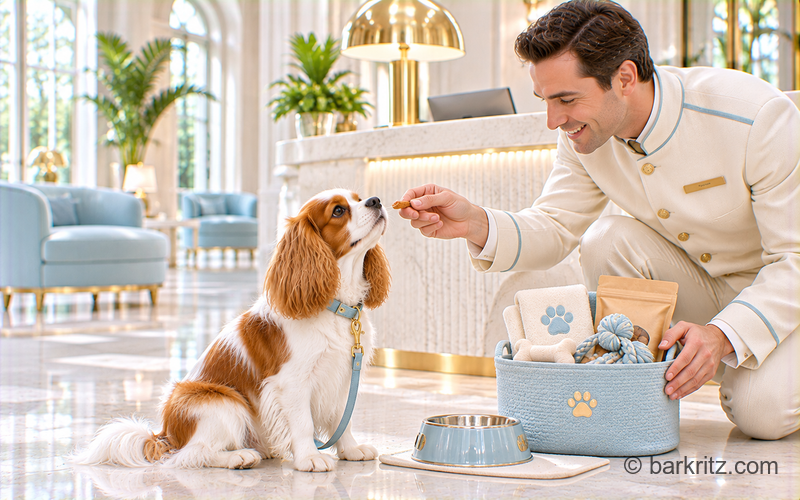
A genuinely pet-friendly city hotel should offer clearly defined accommodation policies, comfortable rooms, practical facilities, and staff who are prepared to welcome animals throughout the stay.
The phrase pet-friendly can describe very different levels of hospitality. Some properties simply permit dogs in selected rooms, while others provide dedicated amenities, welcome gifts, walking assistance, pet menus, and access to designated hotel areas.
Before making a reservation, examine the property’s actual policy rather than relying exclusively on promotional descriptions. Important details include:
- Pet eligibility: confirm whether the hotel accepts dogs, cats, or both, and whether particular breeds or sizes are restricted.
- Weight limits: some properties impose maximum weights, while others welcome larger dogs without restrictions.
- Number of animals: establish whether multiple pets may stay in the same room.
- Additional charges: determine whether the property applies nightly fees, one-time cleaning charges, or refundable deposits.
- Room availability: verify that pet-friendly rooms are available for the exact dates requested.
- Public-area access: ask whether pets may accompany their owners in the lobby, outdoor dining areas, lounges, or other shared spaces.
- Housekeeping arrangements: clarify how staff access rooms when an animal is present.
The distinction between a pet-permitted hotel and a property designed around animal comfort can be significant. A hotel may allow a dog to stay overnight but prohibit it from entering restaurants, wellness areas, or other communal spaces.
Look for evidence of thoughtful practical service. Water bowls, comfortable pet bedding, waste bags, designated walking information, and knowledgeable reception staff are useful indicators. Some properties also offer concierge assistance with grooming appointments, veterinary contacts, and local pet services.
For cats, the room environment deserves particular attention. Secure windows, quiet surroundings, and sufficient space for a litter tray can make a considerable difference. For dogs, convenient outdoor access and an appropriate walking route are often more important.
The ideal hotel is not necessarily the one advertising the greatest number of pet amenities. It is the one whose actual policies and facilities match the needs of the individual animal.
Which Room Features and Hotel Amenities Matter Most for Traveling Pets?

The most suitable pet-friendly room provides sufficient floor space, comfortable resting areas, safe flooring, appropriate ventilation, and an environment where an animal can relax without unnecessary disturbance.
A beautifully appointed hotel room should also function as a practical living space for its four-legged guest. Decorative details are secondary to safety, comfort, and ease of movement.
Consider the room’s layout before booking. A compact room may be perfectly suitable for a small dog staying for one night, but a larger breed or a longer visit may require additional space. Pets should be able to move naturally between their resting area, water bowl, and the room entrance without navigating crowded furniture.
Several features deserve particular consideration:
- Flooring: hard flooring can be easier to clean, although slippery surfaces may be uncomfortable for older dogs or animals with mobility difficulties.
- Room configuration: sufficient open floor space allows pets to settle without obstructing walkways.
- Temperature control: reliable heating and air conditioning help maintain a comfortable environment.
- Sound insulation: quieter rooms away from elevators, service areas, and busy streets may be preferable for sensitive animals.
- Windows and balconies: secure closures and appropriate barriers are essential, particularly for curious pets.
- Cleaning standards: easily maintained surfaces and thorough housekeeping help preserve a hygienic environment.
- Outdoor access: proximity to a suitable walking area can simplify daily routines.
Hotel amenities can further distinguish an ordinary pet-permitted room from a thoughtfully designed accommodation experience. Some establishments provide dedicated pet beds, food and water bowls, welcome treats, waste bags, and information about nearby walking routes.
For extended stays, serviced apartments may offer additional advantages. Kitchen facilities, separate living areas, laundry access, and more generous floor plans can make everyday routines considerably easier.
Owners should also establish whether pets may be left unattended in the room. Some hotels prohibit this entirely, while others permit it under specific conditions. If animals are allowed to remain alone, ask about housekeeping procedures, emergency access, and any restrictions on the duration of their absence.
A comfortable room should support the pet’s familiar routine rather than require it to adapt to an unnecessarily complicated environment.
How Important Is Location When Booking Pet-Friendly Accommodation in a Major City?
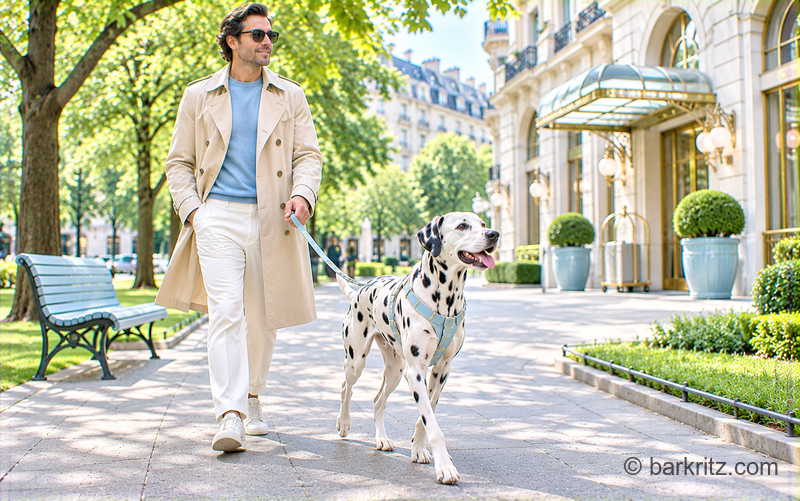
Location is one of the most important factors in choosing urban pet accommodation because convenient access to green spaces, walking routes, veterinary services, and transportation directly affects the quality of a pet’s stay.
A prestigious address may be attractive to the owner, but the surrounding environment determines how practical the experience will be for the animal. A hotel situated beside a busy commercial avenue may offer excellent restaurants and shopping while providing limited opportunities for comfortable outdoor walks.
When comparing city neighborhoods, consider the following:
- Parks and green spaces: nearby public parks, landscaped promenades, and designated dog areas provide opportunities for exercise and exploration.
- Walking conditions: wide sidewalks, quieter residential streets, and accessible pedestrian routes can make daily outings more pleasant.
- Veterinary access: knowing the location of a reputable veterinary clinic or emergency hospital offers valuable reassurance.
- Transportation: proximity to pet-friendly taxis, public transportation, and major travel connections can simplify arrival and departure.
- Dining options: outdoor restaurant terraces and establishments that welcome animals create more opportunities to enjoy the city together.
- Neighborhood atmosphere: residential districts may offer a calmer experience than nightlife or heavily congested commercial areas.
Different cities present different considerations. In New York, access to neighborhood parks and convenient walking routes can be particularly valuable. In Paris, nearby gardens and pedestrian-friendly streets may make daily outings more enjoyable. In London, proximity to green squares and larger public parks can be an important advantage. In Tokyo, where urban spaces can be more compact, convenient access to designated pet areas and suitable walking routes deserves particular attention.
The immediate surroundings should also be evaluated at different times of day. A street that appears peaceful during the afternoon may become crowded or noisy in the evening. Traffic, construction, outdoor entertainment, and busy restaurant terraces can affect animals that are sensitive to unfamiliar sounds.
For dogs that require frequent outdoor breaks, proximity to a suitable green space may be more valuable than an additional hotel amenity. For cats, a quiet location and a secure indoor environment may take priority.
A well-chosen neighborhood makes the entire journey easier, allowing owners to enjoy the city’s cultural and social attractions without compromising their companion’s daily comfort.
What Pet Policies and Additional Charges Should You Check Before Booking?
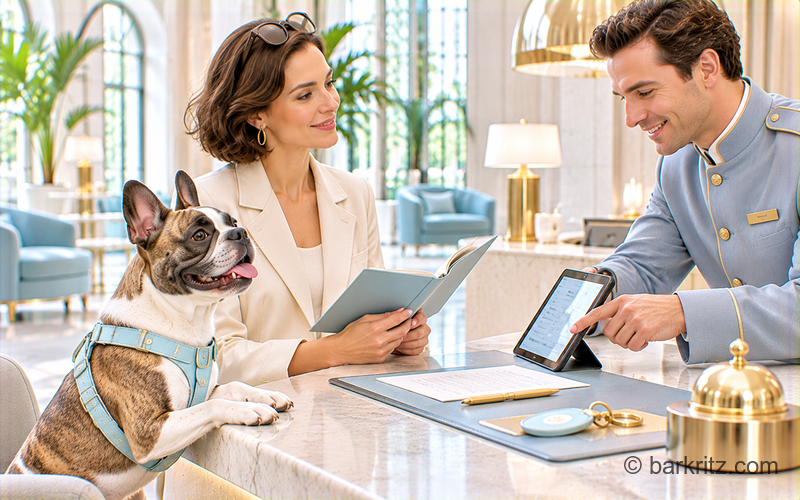
Before confirming a reservation, travelers should obtain written confirmation of the hotel’s pet policy, all applicable charges, room restrictions, and any conditions that could affect their stay.
Pet policies can vary considerably between properties, even within the same hotel group. A brand may welcome animals at one address while applying stricter restrictions at another. Never assume that a hotel’s general reputation guarantees identical arrangements across all its locations.
Request clarification on the financial and practical terms before paying for the reservation.
Common policy differences include:
- Nightly pet fees: charged for each night an animal stays at the property.
- One-time cleaning fees: applied to the reservation regardless of its duration.
- Refundable deposits: collected to cover potential damage or additional cleaning.
- Weight restrictions: maximum permitted weight for individual animals.
- Breed limitations: restrictions that may apply to particular dog breeds.
- Occupancy limits: rules governing the number of animals permitted in one room.
- Designated room categories: certain properties only accommodate pets in specific room types or on particular floors.
It is equally important to understand the hotel’s behavioral expectations. Some establishments require pets to remain on a leash in public areas, prohibit animals from being left unattended, or request that owners bring their own bedding and feeding equipment.
Ask whether the property requires vaccination documentation, identification, or proof of liability insurance. These requirements may be particularly relevant when traveling internationally.
For international city stays, distinguish between hotel admission requirements and the country’s legal entry regulations. A hotel’s willingness to accommodate an animal does not replace the necessary veterinary documentation, identification, vaccination records, or import authorization required by the destination.
Written confirmation is particularly useful when traveling with a large dog, multiple animals, or a companion with specific accommodation needs. Include the pet’s species, approximate weight, and any relevant requirements when communicating with the hotel.
A transparent booking process reduces the possibility of unpleasant surprises at check-in and allows owners to make a fair comparison between properties. The lowest advertised room rate may not represent the most economical choice once pet-related charges are included.
How Can You Prepare Your Pet for a Comfortable Stay in a Major City?
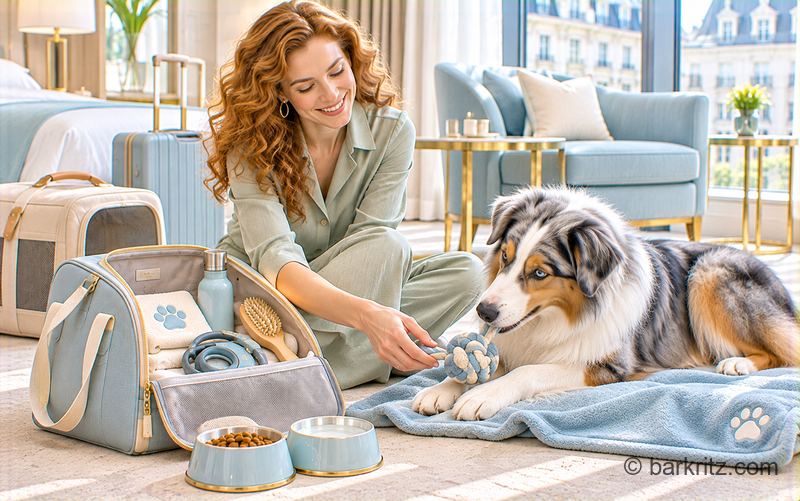
The most effective preparation combines familiar belongings, a predictable daily routine, appropriate travel arrangements, and advance planning for the pet’s health and safety.
Even an exceptionally welcoming hotel introduces unfamiliar sounds, smells, people, and surroundings. A little preparation can help an animal settle more comfortably and reduce unnecessary stress.
Begin by packing a dedicated travel kit containing the essentials:
- Familiar bedding: a blanket or bed carrying familiar household scents can make a new room feel more reassuring.
- Regular food: bring sufficient quantities of the animal’s usual diet to avoid abrupt dietary changes.
- Food and water bowls: portable, familiar bowls help maintain consistent feeding routines.
- Leash and identification: ensure that identification details are current and that walking equipment is secure.
- Waste bags and cleaning supplies: useful for maintaining cleanliness inside and outside the hotel.
- Medication and health records: carry necessary prescriptions and relevant veterinary documentation.
- Favorite toys: familiar objects can provide comfort and mental stimulation.
- Grooming essentials: brushes, wipes, and other appropriate products help maintain the animal’s usual care routine.
Before arrival, give your pet an opportunity to become familiar with its travel carrier, vehicle, or other transportation arrangements. For dogs, maintain regular walks and feeding times whenever possible. For cats, provide a secure carrier and allow time to adjust to the room before introducing additional stimulation.
At check-in, confirm the property’s pet-specific procedures. Ask about designated exits, walking areas, housekeeping arrangements, and emergency contacts. Identify the nearest veterinary clinic and establish how to reach it if necessary.
Once inside the room, inspect the environment before allowing your companion to explore freely. Check windows, balcony doors, electrical cables, cleaning products, small decorative objects, and any areas where an animal might become trapped or injured.
It is also important to respect other guests. Keep dogs under control in shared spaces, prevent excessive barking where possible, and never allow an animal to approach unfamiliar guests or other pets without permission.
Finally, preserve the familiar rhythm of everyday life. Regular meals, appropriate exercise, sufficient rest, and affectionate interaction can help a pet feel secure even in a completely new destination.
The finest pet-friendly city accommodation is ultimately defined by the quality of the experience it creates for both traveler and companion. A thoughtfully selected hotel, a convenient neighborhood, transparent policies, and careful preparation transform an ordinary urban reservation into a genuinely comfortable shared journey. For owners who consider their pets an integral part of their lives, the right address is one where excellent hospitality extends naturally to every member of the traveling party.