

Best Preventive Care for Senior Cats
A cat’s later years deserve the same attention to comfort, curiosity, and well-being that defined its younger life. As cats age, subtle changes in behavior, mobility, appetite, and grooming habits can signal developing health concerns long before obvious symptoms appear. For discerning cat owners, preventive care is not simply about responding to illness; it is about preserving quality of life through thoughtful observation, regular veterinary assessments, and an environment designed around a cat’s changing needs. With a personalized approach to wellness, senior cats can continue to enjoy their favorite rituals, familiar surroundings, and meaningful companionship well into their golden years.
How Often Should a Senior Cat Visit the Veterinarian?
Senior cats should generally receive a comprehensive veterinary examination at least every six months, allowing age-related conditions to be identified before they significantly affect daily life. Although an annual visit may be sufficient for some younger, healthy cats, the needs of an aging cat can change considerably within a few months. Regular appointments establish a useful health baseline, making it easier to distinguish normal aging from emerging disease.
A comprehensive senior wellness examination typically evaluates body weight, muscle condition, dental health, heart and lung function, mobility, hydration, and changes in behavior. Depending on the cat’s age, medical history, and examination findings, the veterinarian may recommend blood tests, urinalysis, blood pressure measurement, or additional diagnostic procedures.
Consistency matters because many feline conditions develop gradually. Kidney disease, hyperthyroidism, diabetes, hypertension, and osteoarthritis can initially produce symptoms so subtle that owners attribute them to old age.
A practical preventive-care schedule may include:
- Every six months: Physical examination, weight assessment, and discussion of appetite, thirst, elimination, activity, and behavior.
- At least annually, or more frequently when indicated: Bloodwork and urinalysis to evaluate kidney function, blood glucose, and other relevant indicators.
- Regularly according to risk: Blood pressure monitoring, thyroid testing, and additional screening recommended by the veterinarian.
- At every visit: Review of medications, supplements, parasite prevention, vaccination requirements, and dental concerns.
The precise schedule should reflect the individual cat rather than age alone. A healthy 11-year-old may have different monitoring needs from a 16-year-old cat with kidney disease or a history of weight loss. The objective is to establish a reliable clinical picture and recognize meaningful changes early.
Which Health Screenings Are Essential for an Aging Cat?
The most valuable screenings for a senior cat are those that detect common age-associated conditions before they cause substantial discomfort or irreversible complications. Because cats often conceal pain and illness, diagnostic testing can reveal problems that are not apparent during a physical examination.
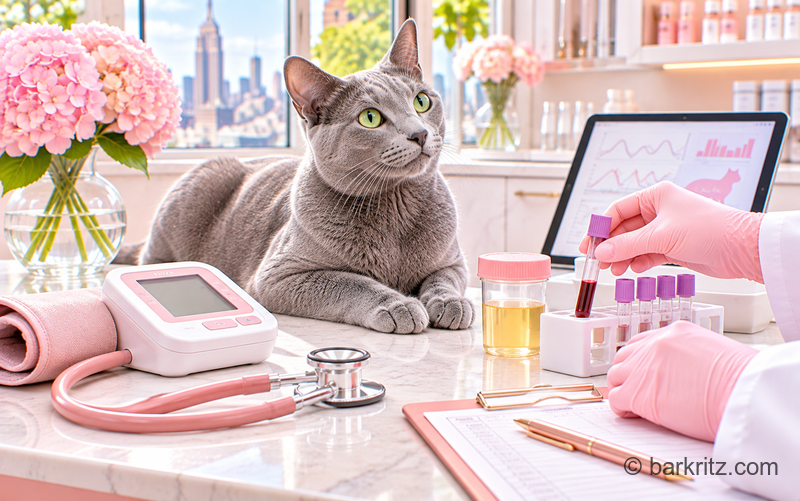
Bloodwork and urinalysis are particularly useful components of preventive care. Together, they help veterinarians assess kidney function, investigate changes in blood glucose, evaluate hydration, and identify abnormalities that warrant further attention. Thyroid testing is also important because hyperthyroidism becomes more common in older cats and may cause weight loss despite a healthy or increased appetite.
Blood pressure deserves particular consideration. Feline hypertension can damage the eyes, kidneys, heart, and nervous system, and it may occur alongside chronic kidney disease or hyperthyroidism. Measuring blood pressure can therefore provide information that a routine examination alone may not reveal.
Owners should become familiar with the warning signs that justify prompt veterinary attention:
- Unexplained weight loss: May indicate hyperthyroidism, diabetes, kidney disease, gastrointestinal problems, or other conditions.
- Increased thirst or urination: Can accompany kidney disease, diabetes, and other metabolic disorders.
- Changes in appetite: Both reduced food intake and an unusually strong appetite can be clinically significant.
- Vomiting or persistent digestive changes: Recurrent symptoms should not automatically be dismissed as a normal consequence of aging.
- Cloudy vision, disorientation, or sudden behavioral changes: May require assessment for hypertension, neurological disease, or other medical causes.
Preventive screening should also account for oral health. Dental disease can cause persistent pain, inflammation, and difficulty eating, while cats may continue to approach their food bowls despite significant discomfort.
There is no single diagnostic panel that is appropriate for every senior cat. The veterinarian should interpret results alongside the animal’s symptoms, physical examination, previous laboratory findings, and overall health. Comparing results over time is often more informative than interpreting an isolated measurement.
How Can Nutrition Preserve Muscle, Kidney Health, and Vitality?
The best nutritional strategy for a senior cat is a complete, balanced diet tailored to its body condition, muscle mass, diagnosed medical conditions, and ability to digest and consume food comfortably. Age alone does not determine whether a cat needs a particular food; nutritional decisions should follow an assessment of its individual requirements.
Older cats may experience changes in appetite, digestion, body composition, and nutrient absorption. Some gradually lose muscle despite maintaining a seemingly healthy weight, while others become less active and gain excess body fat. Both patterns deserve attention because muscle condition and body weight provide different information about overall health.
A preventive nutrition plan should emphasize several priorities:
- High-quality protein: Healthy senior cats generally need sufficient dietary protein to maintain muscle, although cats with certain medical conditions may require individualized nutritional management.
- Appropriate caloric intake: Portions should reflect activity level, body condition, and changes in weight rather than relying exclusively on feeding guidelines printed on packaging.
- Adequate hydration: Fresh water should always be available, and wet food can contribute meaningfully to daily fluid intake.
- Consistent meal monitoring: Recording appetite and approximate food consumption can help identify gradual changes that might otherwise go unnoticed.
- Targeted therapeutic nutrition: Cats with diagnosed kidney disease, diabetes, or other conditions may benefit from a veterinary therapeutic diet selected for their specific needs.
Kidney health requires particular care when choosing food. A cat with diagnosed chronic kidney disease may benefit from a therapeutic renal diet formulated to address phosphorus intake and other nutritional considerations. However, such a diet should not be introduced solely because a cat has reached a certain age. The appropriate formulation depends on the diagnosis, disease stage, nutritional status, and the veterinarian’s recommendations.
Weight monitoring should extend beyond the number on the scale. A cat can maintain its weight while losing muscle and accumulating fat, making periodic body-condition and muscle-condition assessments valuable additions to routine examinations.
For owners who appreciate a more individualized approach, a simple feeding journal can record daily intake, treats, water consumption, and weight measurements. This creates a practical record for veterinary consultations and helps distinguish a temporary fluctuation from a persistent trend.
How Can You Recognize and Manage Pain in Senior Cats?
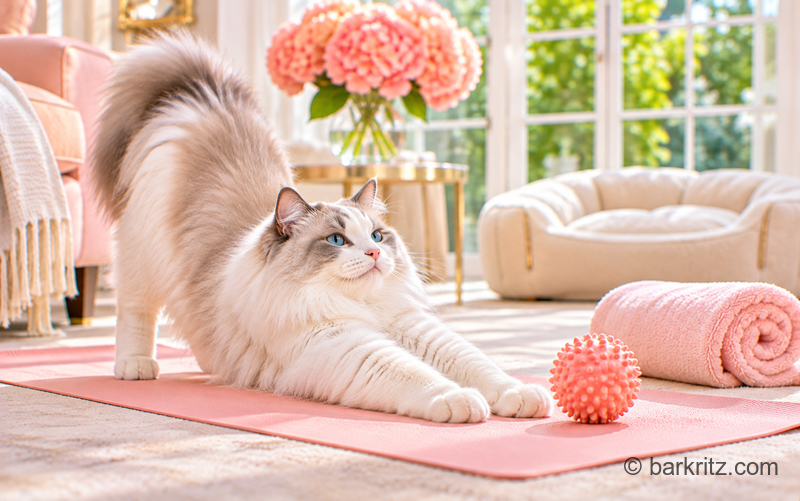
The most effective approach to managing pain in senior cats combines regular veterinary assessment with close observation of everyday movements, grooming, social behavior, and litter-box habits. Osteoarthritis is a common concern in older cats, yet its signs are frequently mistaken for ordinary slowing down.
A cat experiencing joint discomfort may stop jumping onto a favorite chair, hesitate before climbing stairs, sleep in more accessible locations, or become less tolerant of handling. Other signs include reduced grooming, difficulty entering a high-sided litter box, stiffness after resting, and changes in temperament.
Because these changes often develop gradually, owners should pay attention to differences from the cat’s established routine rather than waiting for obvious limping.
A comfortable home environment can make daily life easier:
- Accessible resting places: Provide supportive beds in quiet, warm areas where the cat can rest without needing to climb.
- Low-entry litter boxes: Choose a design that allows comfortable entry and exit, and position boxes where the cat can reach them easily.
- Stable steps or ramps: Offer safe routes to favorite furniture and elevated resting spots without requiring strenuous jumps.
- Non-slip surfaces: Use rugs or secure mats on slippery floors to improve confidence and stability.
- Convenient food and water stations: Keep essential resources within easy reach, particularly when mobility is limited.
Veterinary pain management may include prescription medication, weight management, physical rehabilitation, or other interventions selected according to the underlying condition. Treatment should be monitored carefully, particularly when kidney disease or other chronic illnesses are present.
Never administer human painkillers to a cat unless a veterinarian has specifically prescribed the medication and provided explicit instructions. Common human medicines can be highly toxic to felines, even in small amounts.
Changes in mobility should prompt assessment rather than resignation. Although aging cannot be reversed, appropriately managed pain can help preserve independence, comfort, and engagement with familiar activities.
What Daily Wellness Rituals Help Senior Cats Thrive at Home?
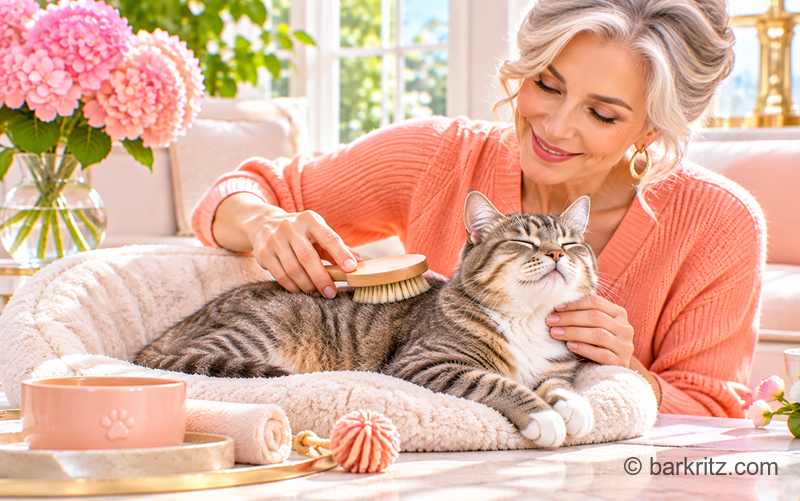
The most effective daily wellness rituals for senior cats are predictable, low-stress routines that support hydration, movement, mental engagement, grooming, and emotional security. A thoughtfully arranged home can complement veterinary care by making healthy behaviors easier and allowing subtle changes to become more apparent.
Cats often feel most comfortable when their surroundings remain familiar and their essential resources are consistently available. For older animals, predictability can be especially valuable when hearing, vision, mobility, or cognitive function begins to change.
Gentle play remains important, even when a cat no longer pursues toys with youthful enthusiasm. Short sessions using a wand toy, soft moving objects, or food puzzles can encourage movement and provide mental stimulation without exhausting the animal. The intensity and duration should follow the cat’s preferences and physical abilities.
Grooming also deserves renewed attention. Reduced flexibility may prevent an older cat from cleaning its back, hindquarters, or other difficult-to-reach areas. Regular gentle brushing helps prevent tangles, distributes natural oils, and gives owners an opportunity to notice skin changes, lumps, tenderness, or unusual shedding. Nail length should be checked routinely because less active cats may wear down their claws less effectively.
A practical daily routine can include:
- Morning: Refresh water, offer a measured meal, observe appetite, and check litter-box output.
- Afternoon: Encourage a brief, gentle play session or another comfortable form of activity.
- Evening: Provide another meal as appropriate, groom if needed, and observe movement, breathing, and social behavior.
- Throughout the day: Keep resting areas comfortable, maintain easy access to essential resources, and watch for changes in thirst, urination, appetite, or temperament.
Emotional well-being is equally important. Some senior cats become more attached to their owners, while others prefer greater privacy and uninterrupted rest. Respecting these preferences, maintaining familiar routines, and providing quiet companionship help preserve a sense of security.
Owners should also consider quality of life as part of ongoing preventive care. Changes in comfort, appetite, hydration, mobility, hygiene, social interaction, and enjoyment of familiar activities can help guide discussions with the veterinarian. Keeping brief notes about good days, difficult days, and emerging symptoms can make these conversations more objective.
Senior wellness is ultimately an ongoing partnership between attentive owners and veterinary professionals. With regular examinations, appropriate screening, individualized nutrition, effective pain management, and a home designed around changing needs, aging cats can continue to experience comfort, dignity, and the pleasures of everyday life.