

How to Get a Pet Passport for International Travel

International travel with a beloved companion requires more than a well-fitted carrier and a carefully planned itinerary. For discerning pet owners, a successful journey begins with understanding the documentation that allows an animal to cross international borders legally and safely. Often referred to as a pet passport, this collection of veterinary records and official certificates establishes an animal’s identity, vaccination history, and eligibility to enter a destination country. Because requirements vary considerably by destination and country of departure, preparation well in advance is essential to a seamless travel experience.
What Is a Pet Passport, and Which Documents Does It Include?

A pet passport is a collection of official identification and veterinary documents that demonstrates an animal meets the entry requirements of a particular country. The term has different meanings around the world: some jurisdictions issue standardized pet passports, while others require a government-endorsed health certificate supported by vaccination records and identification details.
For international journeys, the documentation may include:
- Microchip identification: A compatible microchip links the animal to its veterinary records and is required for many international routes.
- Rabies vaccination certificate: Proof of a valid rabies vaccination is commonly required, with specific rules governing the timing of vaccination in relation to microchipping and travel.
- Veterinary health certificate: An authorized veterinarian documents the animal’s health and compliance with the destination’s entry conditions.
- Rabies antibody titre test: Certain destinations require laboratory evidence of an adequate immune response, potentially followed by a mandatory waiting period.
- Import permit or additional declarations: Some countries require advance authorization, parasite treatments, or supplementary veterinary documentation.
The distinction between a standardized pet passport and a destination-specific health certificate matters. A document accepted within one travel region may not satisfy the requirements of another, particularly when traveling between continents. The correct documentation depends on the precise itinerary, the animal’s species, and the applicable regulations.
How Should You Prepare Your Pet for International Travel?

The most reliable preparation begins with identifying the destination’s official import rules before booking a non-refundable itinerary. Owners should confirm requirements for every country on the route, including transit destinations where animals may be subject to additional controls.
Start with an appointment at a veterinary practice experienced in international pet travel. The veterinarian can assess the animal’s existing records, verify microchip information, review vaccination dates, and establish a timeline for any required tests or treatments. Where official certification is necessary, the relevant government veterinary authority may also need to endorse the documentation.
A practical preparation sequence includes:
- Confirm identification: Ensure the microchip is readable and that its number is recorded consistently across all documents.
- Review vaccinations: Check whether rabies vaccination is mandatory and whether the destination recognizes the existing vaccination record.
- Arrange required testing: Determine whether a rabies antibody titre test is necessary and allow sufficient time for laboratory processing and any waiting period.
- Schedule examinations: Book the required veterinary examination within the destination’s permitted time window.
- Verify certification: Establish whether documents must be issued or endorsed by an official government veterinarian.
- Check the return journey: Confirm the requirements for re-entry to the original country, which may differ from those governing departure.
Timing is particularly important. Some destinations require a sequence of microchipping, vaccination, laboratory testing, and waiting periods that cannot be shortened simply by obtaining a certificate closer to departure. Beginning several months in advance is prudent whenever the route involves additional testing or authorization.
How Do Pet Passport Requirements Differ Between Countries?
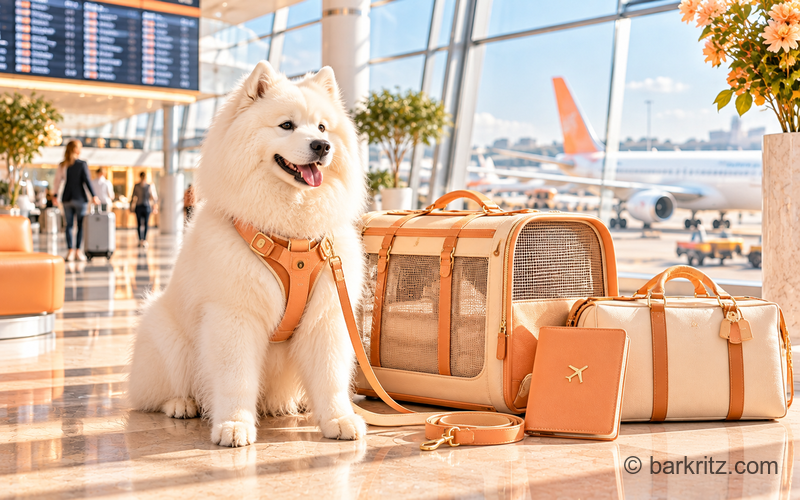
Pet travel documentation varies by jurisdiction, and a certificate that satisfies one destination may be insufficient elsewhere. The European Union, the United States, and countries with more restrictive import controls illustrate why owners must research the rules for their specific route.
- European Union: Eligible movements may use an EU pet passport under the applicable rules, while animals arriving from many non-EU countries generally require other accepted documentation, such as an EU animal health certificate. Identification, rabies vaccination, and additional conditions depend on the circumstances of travel.
- United States: Dogs entering the country must meet federal entry requirements, which include specific documentation and conditions related to rabies risk and the dog’s travel history. Cats are subject to different federal requirements, and state or local rules may also apply.
- Countries with additional import controls: Some destinations require advance import permits, rabies antibody testing, approved entry points, parasite treatments, or mandatory quarantine under specified circumstances.
Before departure, consult the official government authority responsible for animal imports in the destination country and the relevant authority in the country of departure. Airline policies should be checked separately: satisfying government entry requirements does not automatically guarantee that an animal meets an airline’s carriage conditions.
Owners should also distinguish between personal pet travel and commercial movement. Rules can differ when an animal is being sold, transferred to another owner, transported separately from its owner, or traveling as part of a larger group.
When Should You Obtain a Pet Health Certificate and Official Endorsement?

A pet health certificate should be arranged within the timeframe specified by the destination, because many authorities accept examinations and certificates only when they are completed shortly before travel. The precise window varies, so obtaining the certificate too early can be as problematic as leaving it until the final days.
In some countries, an accredited or authorized veterinarian completes the examination and documentation, after which a government veterinary authority must review or endorse the certificate. Other destinations use different certification systems, making it essential to confirm the correct process before scheduling the appointment.
Keep the original documents together in a secure travel folder, with accessible digital copies as a backup. Check that names, microchip numbers, vaccination dates, laboratory results, and certificate details agree across all records. Even a small discrepancy can lead to additional checks or delays at the border.
Before leaving, verify that you have:
- The required original health certificate and any official endorsement.
- Proof of microchip identification and vaccination history.
- Laboratory results and import permits, if applicable.
- Evidence of required parasite treatments or other veterinary procedures.
- Copies of relevant documents for transit and return travel.
A final review shortly before departure provides an opportunity to identify missing signatures, expired vaccinations, or incomplete declarations while there is still time to resolve them.
How Can You Make International Travel More Comfortable for Your Pet?

A compliant document portfolio establishes the legal foundation for a journey, but thoughtful preparation also protects an animal’s comfort and well-being. Travel plans should account for the pet’s temperament, age, health, size, and ability to tolerate transport.
Choose an airline-approved carrier or travel crate that meets the operator’s specifications and allows the animal to stand, turn around, and lie down comfortably as required by the applicable standards. Introduce the carrier well before departure so it becomes a familiar resting place rather than an unfamiliar enclosure encountered on travel day.
Maintain a compact travel kit containing familiar bedding, absorbent materials, food appropriate for the journey, water, a leash or secure harness, and copies of veterinary records. Confirm feeding guidance with the veterinarian, particularly for long journeys or animals with medical needs. Sedatives should not be used for air travel unless specifically advised by a veterinarian who understands the risks and the transport conditions.
For a more composed travel experience, consider these priorities:
- Direct routing: When practical, fewer connections can reduce handling, waiting, and opportunities for disruption.
- Climate and season: Extreme temperatures may affect transport eligibility and animal comfort.
- Arrival arrangements: Confirm the location of the designated animal inspection facility and arrange onward transportation in advance.
- Local veterinary care: Identify a reputable veterinary clinic near the destination, especially for extended stays.
- Return documentation: Keep vaccination records and certificates organized throughout the trip rather than treating them as documents needed only for departure.
The most sophisticated pet travel arrangements are built around preparation rather than improvisation. By confirming official requirements early, coordinating closely with a qualified veterinarian, and planning for the animal’s comfort at every stage, owners can approach international travel with greater confidence—and give their companions a smoother welcome wherever the journey leads.