

Best Holistic Nutrition Plans for High-End Pets
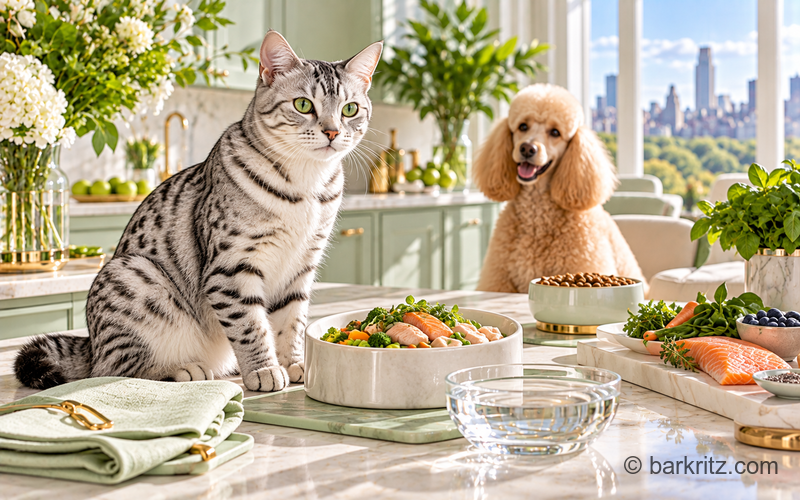
A sophisticated approach to pet nutrition begins with understanding the individual animal rather than following a fashionable diet or an elaborate feeding ritual. For discerning owners, holistic nutrition brings together complete and balanced food, appropriate portion sizes, hydration, digestive health, and the relationship between diet and long-term well-being. The objective is not simply to select premium ingredients, but to create a thoughtful, evidence-based feeding plan that supports vitality, healthy body composition, and a comfortable daily routine. When veterinary guidance informs every decision, nutritional refinement becomes a meaningful investment in a pet’s quality of life.
What Defines a Truly Holistic Nutrition Plan for Dogs and Cats?

A truly holistic nutrition plan considers the pet’s complete health profile—including age, species, activity, body condition, medical history, and individual preferences—while ensuring that the diet provides all essential nutrients in appropriate amounts. Premium ingredients can contribute to a good diet, but nutritional completeness and suitability matter more than an expensive label.
Dogs and cats have different physiological requirements, so a plan should begin with species-specific nutrition rather than treating all companion animals alike. Cats are obligate carnivores with particular requirements for nutrients such as taurine, while dogs can generally utilise a broader range of ingredients within a properly formulated diet.
A well-designed plan evaluates several interconnected elements:
- Nutritional completeness: The food should meet established nutritional standards for the appropriate species and life stage.
- Ingredient quality: Ingredients should be safe, appropriately handled, and suitable for the animal’s nutritional needs.
- Digestive tolerance: Stool quality, appetite, flatulence, vomiting, and other gastrointestinal signs can help identify whether a diet agrees with the pet.
- Body composition: Calorie intake should support a healthy weight and adequate muscle mass rather than simply encourage weight gain or restriction.
- Hydration: Fresh water should always be available, with wet food or other appropriate strategies considered when useful.
- Individual medical needs: Allergies, kidney disease, diabetes, gastrointestinal disorders, and other conditions may require veterinary-directed dietary adjustments.
The distinction between holistic nutrition and wellness marketing is important. Terms such as natural, ancestral, human-grade, and premium do not automatically establish that a food is nutritionally superior. Owners should examine the nutritional adequacy statement, feeding guidance, manufacturer transparency, and quality-control practices.
A veterinarian can help assess the pet’s body condition and determine whether a standard complete diet is appropriate or whether a more specialised nutritional strategy is warranted. For animals with complex medical needs, a board-certified veterinary nutritionist can help design a plan that balances health objectives with palatability and practicality.
Which Premium Feeding Strategies Best Support Digestive Health and Everyday Vitality?

The most effective feeding strategy is one that provides complete nutrition consistently, suits the pet’s digestive tolerance, and maintains a healthy body condition without unnecessary dietary complexity. A higher price, a longer ingredient list, or the addition of multiple supplements does not guarantee better results.
For many healthy dogs and cats, a complete commercial diet from a manufacturer with robust nutritional expertise and quality-control procedures offers a reliable foundation. Some animals benefit from targeted changes in fibre content, protein sources, food texture, or meal frequency, but these adjustments should respond to a specific need rather than a trend.
Common approaches include:
- Complete dry food: Convenient to portion and store, with nutrient concentrations that vary by formulation; fresh water must remain available.
- Complete wet food: Provides substantial moisture and may be useful for pets that prefer softer textures or need additional dietary water.
- Mixed feeding: Combining appropriate wet and dry foods can offer flexibility, provided total calories and nutritional balance are managed.
- Veterinary therapeutic diets: Formulated for specific medical conditions and best used with professional guidance.
- Limited-ingredient diets: May help in selected cases, particularly when investigating suspected food reactions, but ingredient simplicity alone does not prove suitability.
- Fibre-adjusted diets: May support particular digestive needs, depending on the type and amount of fibre and the underlying condition.
Consistency is particularly valuable for animals with sensitive digestion. Frequent changes in food, rich table scraps, excessive treats, and abrupt transitions can make it difficult to identify the cause of gastrointestinal symptoms. When changing diets, a gradual transition over approximately seven to ten days is often reasonable for a healthy pet, although the appropriate pace may differ for animals with medical conditions or previous food intolerance.
Digestive health should be assessed through more than the appearance of the food itself. Stable appetite, comfortable digestion, appropriate stool quality, healthy skin and coat, and maintenance of an appropriate weight are more useful indicators of success than claims about individual ingredients.
Persistent diarrhoea, repeated vomiting, blood in the stool, unexplained weight loss, or reduced appetite warrants veterinary assessment rather than repeated experimentation with commercial diets. A carefully selected feeding plan should simplify care and improve well-being, not create a cycle of increasingly restrictive or expensive food changes.
Are Fresh, Raw, and Home-Cooked Diets Better for High-End Pets?

Freshly prepared food can be appropriate for dogs and cats when it is nutritionally complete, safely handled, and tailored to the individual animal, but raw or home-cooked diets are not inherently healthier than well-formulated commercial alternatives. The decisive factors are nutrient balance, food safety, suitability, and the reliability of the formulation.
Home preparation gives owners control over ingredients and texture, which may be useful for particular preferences or medical requirements. However, balancing a pet’s diet is more complicated than combining meat, vegetables, and grains in appealing proportions. Essential amino acids, fatty acids, vitamins, minerals, and energy must all be supplied correctly, and requirements differ between species and life stages.
Consider the principal options carefully:
- Commercial fresh food: Can be a convenient choice when the product is complete and balanced for the relevant species and life stage, with appropriate storage and handling instructions.
- Professionally formulated home-cooked food: May suit selected animals when a veterinary nutrition professional provides a precise recipe and supplementation plan.
- Raw meat-based diets: Carry risks from pathogens and nutritional imbalance; raw feeding can expose both pets and people to harmful bacteria and other infectious agents.
- Supplemented homemade meals: Adding vitamins or minerals without a properly calculated formulation can create deficiencies or excesses.
- Occasional unbalanced additions: Small extras may fit within an otherwise complete diet, but they should not displace essential nutrients or contribute excessive calories.
For most pets, treats and other extras should generally account for no more than about ten percent of daily calories, unless a veterinarian recommends a different approach. The remainder should come from a complete and balanced diet appropriate to the animal’s needs.
Food safety deserves particular attention in households with young children, older adults, pregnant people, or immunocompromised individuals. Raw animal products can introduce pathogens into the home through food bowls, surfaces, saliva, and faeces. Freezing or using high-quality ingredients does not reliably eliminate every hazard.
Owners considering a home-cooked diet should request a formulation designed for their pet, including exact ingredient quantities, preparation instructions, and any required supplements. Recipes found online or adapted from human meals are rarely a dependable substitute. Nutritional adequacy must be maintained over time, especially for growing animals and pets with chronic health conditions.
How Should Supplements, Probiotics, and Functional Ingredients Be Selected?

Supplements and functional ingredients are most useful when they address a clearly identified nutritional or medical need, have credible evidence of benefit, and are used at an appropriate dose under veterinary guidance. Adding more products does not necessarily improve health and can introduce unnecessary expense, interactions, or nutritional imbalances.
The supplement market offers products marketed for digestion, joint mobility, skin and coat quality, immune support, and healthy ageing. Evidence varies considerably between ingredients and formulations, and results from human studies cannot automatically be applied to dogs and cats.
Before introducing a supplement, consider these categories:
- Probiotics: Certain strains may help in specific gastrointestinal situations, but effects are strain- and condition-dependent rather than universal.
- Omega-3 fatty acids: EPA and DHA may be useful in selected inflammatory or dermatological conditions, with appropriate sources and doses determined by a veterinarian.
- Joint-support ingredients: Some formulations may help particular animals, but evidence varies and they should not replace assessment of pain or mobility problems.
- Fibre supplements: May assist selected digestive conditions when the type and amount are appropriate.
- Vitamin and mineral products: Necessary when a documented dietary gap or medical indication exists, but potentially harmful in excess.
- Herbal and botanical products: Require particular caution because potency, purity, interactions, and safety data can vary.
A supplement should have transparent ingredient information, clear dosing instructions, appropriate quality-control measures, and evidence relevant to the intended use. Proprietary blends with undisclosed quantities make it harder to evaluate both effectiveness and safety.
Avoid giving human supplements to pets without veterinary approval. Products designed for people may contain inappropriate doses, additional ingredients, or sweeteners and flavourings that are unsafe for animals. Even familiar nutrients can cause problems when used excessively or combined with certain medications.
A useful rule is to introduce one change at a time and monitor the animal’s response. This makes it easier to identify benefits or adverse effects and avoids unnecessary complexity. If a pet has a chronic illness, takes medication, is pregnant, or is still growing, professional guidance is particularly important.
How Can Owners Personalise a Long-Term Nutrition Plan for Their Pet?

A long-term nutrition plan should be reviewed regularly against the pet’s weight, body condition, muscle mass, activity, life stage, and veterinary findings rather than remaining fixed for years. The best plan is adaptable enough to respond to changing needs while preserving consistency wherever possible.
Puppies and kittens require diets formulated for growth, while healthy adults generally benefit from controlled portions and routine weight monitoring. Senior animals may need adjustments based on appetite, dental comfort, mobility, muscle condition, and diagnosed disease; age alone does not automatically mean that a specialised senior food is necessary.
A practical review should include:
- Body condition and weight: Track changes over time and discuss unexpected gains or losses with a veterinarian.
- Portion accuracy: Measure meals rather than relying exclusively on visual estimates, and adjust calories when appropriate.
- Muscle maintenance: Pay attention to changes in muscle definition, especially in older animals.
- Appetite and digestion: Record persistent changes in eating, drinking, stool quality, or vomiting.
- Dental comfort: Consider food texture and arrange dental assessment when eating becomes difficult.
- Life-stage transitions: Reassess nutritional needs after growth, neutering, changes in activity, or the development of a medical condition.
- Veterinary follow-up: Use examinations and any recommended tests to guide adjustments rather than relying on marketing claims.
A simple feeding record can be surprisingly useful. Note the food and amount offered, treats, supplements, appetite, stool quality, and weight at regular intervals. This provides a clearer picture of patterns and helps a veterinarian determine whether a dietary change is warranted.
Weight management should be gradual and individualised. Overfeeding can contribute to obesity and related health problems, while overly restrictive feeding can compromise muscle mass and nutritional adequacy. Cats in particular should never undergo aggressive weight-loss programmes without veterinary supervision, as rapid weight loss can be dangerous.
Ultimately, holistic nutrition is not a single exclusive diet or a collection of fashionable ingredients. It is a disciplined approach that combines complete nutrition, safe preparation, appropriate portions, thoughtful monitoring, and veterinary expertise. For owners who want to provide the highest standard of everyday care, the most meaningful nutritional investment is a plan that is scientifically sound, tailored to the individual animal, and sustainable throughout its life.