

How to Improve Your Cat’s Gut Health Naturally
A healthy digestive system is central to a cat’s overall well-being, influencing everything from nutrient absorption and immune function to energy levels and the condition of its coat. Although digestive health is often associated with visible signs such as regular bowel movements, its importance extends much further: a balanced gastrointestinal environment helps the body process food efficiently and supports the complex relationship between digestion and immunity.
For discerning cat owners, improving gut health begins with understanding the animal’s individual nutritional needs, establishing consistent feeding habits, and recognizing subtle changes in digestion. Thoughtful choices involving food quality, hydration, dietary fiber, and veterinary-guided supplementation can help support a healthier digestive system without resorting to unnecessary treatments or unverified home remedies.
How Does a Cat’s Gut Microbiome Influence Overall Health?
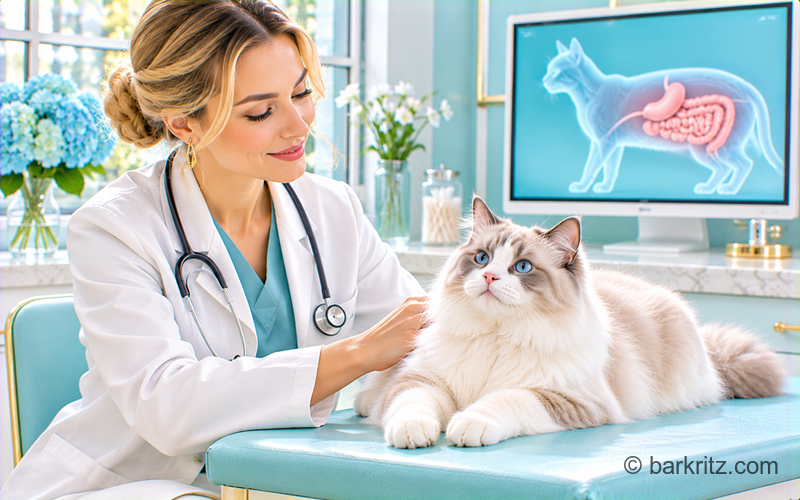
A cat’s gut microbiome is a complex community of microorganisms that helps digest food, supports the intestinal barrier, and contributes to the normal functioning of the immune system.
The gastrointestinal tract contains a diverse population of bacteria and other microorganisms, collectively known as the gut microbiome. These organisms participate in breaking down certain dietary components, producing useful metabolic compounds, and maintaining a balanced intestinal environment. A healthy microbiome also helps prevent potentially harmful microorganisms from becoming dominant.
Digestive balance can be influenced by several interconnected factors:
- Dietary composition: proteins, fats, and selected fibers influence the nutrients available to intestinal microorganisms.
- Age: kittens, adult cats, and senior companions can have different nutritional and digestive requirements.
- Stress: environmental changes and disruptions to familiar routines may affect gastrointestinal function.
- Medication: certain treatments, particularly antibiotics, can alter the composition of intestinal microorganisms.
- Underlying health: gastrointestinal disorders and other medical conditions can influence digestion and microbial balance.
A healthy microbiome is not defined by maximizing the number of bacteria or introducing as many supplements as possible. Instead, the objective is to support a stable and appropriately diverse intestinal environment.
This is one reason consistent nutrition matters. Frequent, unnecessary changes to a cat’s diet can disrupt digestive routines, while a complete and balanced food appropriate for the animal’s life stage provides a reliable nutritional foundation.
Which Foods Naturally Support Better Digestive Health in Cats?
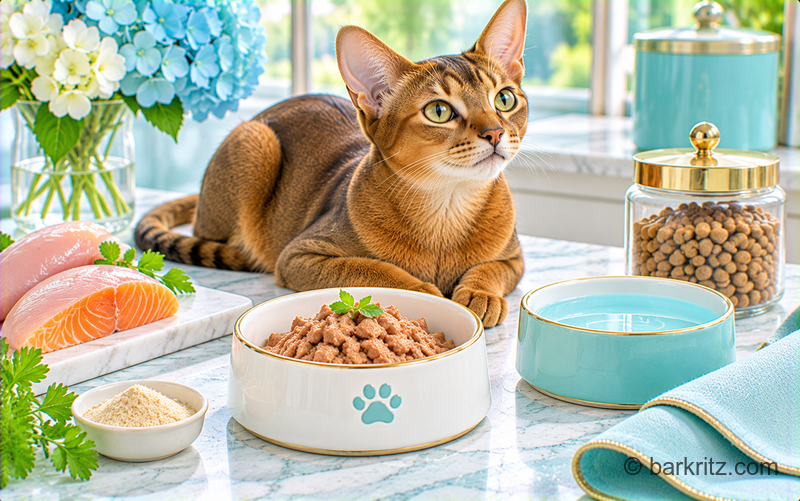
The most effective nutritional foundation for feline gut health is a complete and balanced diet formulated for cats, with highly digestible animal protein and an appropriate combination of fats, vitamins, minerals, and dietary fiber.
Cats are obligate carnivores, meaning their nutritional requirements are adapted to a diet containing animal-derived nutrients. Protein quality and digestibility are therefore particularly important when selecting everyday food. A well-formulated commercial diet should provide the essential nutrients a cat needs without requiring an assortment of additional ingredients.
Several dietary components deserve particular attention:
- Animal protein: provides essential amino acids, including taurine, which cats must obtain through their diet.
- Moderate dietary fat: supplies concentrated energy and essential fatty acids.
- Soluble fiber: can help regulate intestinal function and provide fermentable material for beneficial gut microorganisms.
- Insoluble fiber: contributes to stool bulk and can support normal intestinal movement.
- Adequate moisture: helps maintain hydration and is particularly valuable when incorporated through wet food.
Certain fiber sources, including psyllium and beet pulp, are used in feline nutrition to support stool consistency and intestinal function. Their suitability depends on the individual cat, the amount included, and the overall formulation of the food.
Owners should be cautious about adding fashionable human wellness ingredients to a cat’s meals. Garlic, onion, heavily seasoned foods, and many other human dietary products are unsuitable or potentially toxic to cats. Milk is also not a reliable digestive aid, since many adult cats have difficulty digesting lactose.
A carefully selected complete diet is generally preferable to homemade combinations unless a veterinarian or board-certified veterinary nutritionist has formulated the recipe to meet all feline nutritional requirements.
How Can Probiotics and Prebiotics Help Improve a Cat’s Digestion?
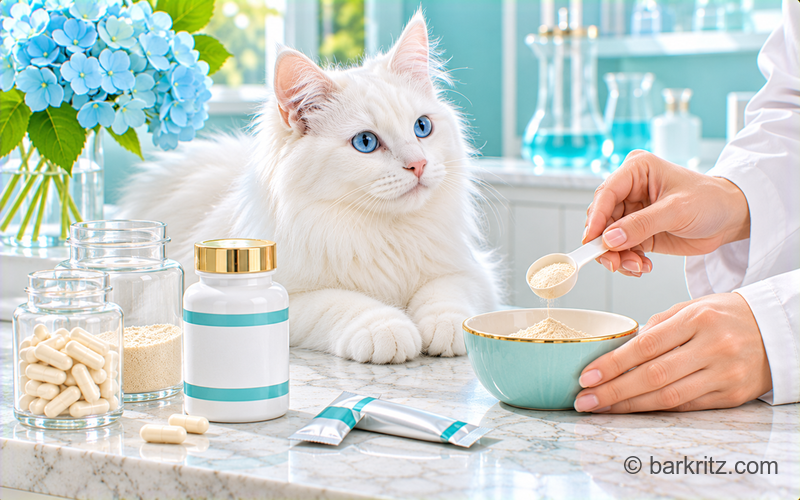
Veterinary-selected probiotics and prebiotics may support feline digestive health by influencing intestinal microorganisms, although their benefits depend on the specific ingredients, formulation, and individual animal.
Probiotics are live microorganisms intended to provide a health benefit when administered in appropriate amounts. Prebiotics are selectively utilized substances that support the growth or activity of certain microorganisms already present in the gastrointestinal tract.
Although the terms are often used together, they serve different purposes.
- Probiotics: introduce selected live microorganisms, with effects that vary by strain.
- Prebiotics: provide fermentable substrates that can be used by certain intestinal microorganisms.
- Synbiotics: combine probiotics and prebiotics in a single formulation.
Some veterinary probiotic products are designed to support digestive function during periods of dietary transition or gastrointestinal disturbance. However, evidence varies between products and strains, and not every supplement has been demonstrated to benefit every cat.
When considering a probiotic, owners should look for a product specifically formulated for cats, with clearly identified microbial strains, appropriate storage instructions, and reliable quality control. Human supplements should not automatically be substituted for veterinary products.
It is equally important to avoid assuming that a supplement can resolve persistent diarrhea, vomiting, constipation, or unexplained weight loss. These symptoms may indicate an underlying medical problem that requires diagnosis rather than nutritional experimentation.
A veterinarian can help determine whether a probiotic or prebiotic is appropriate, particularly for cats with chronic digestive complaints, existing medical conditions, or recent antibiotic treatment.
What Daily Habits Help Maintain a Cat’s Healthy Digestive System?
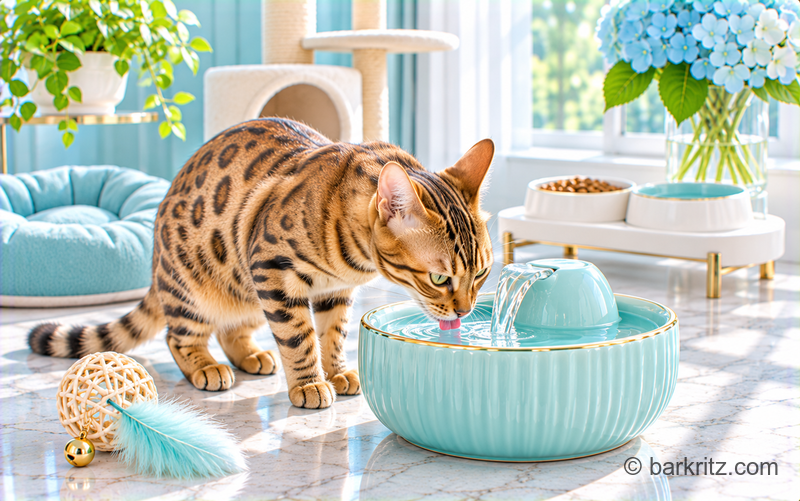
Consistent feeding routines, sufficient hydration, appropriate activity, and a low-stress home environment are among the most practical everyday measures for supporting normal feline digestion.
Cats generally benefit from predictable routines. Sudden changes in feeding times, food composition, or household surroundings can create unnecessary stress and may affect appetite and gastrointestinal function.
Several simple habits can make a meaningful difference:
- Maintain regular meal times: offer measured portions according to the cat’s nutritional needs rather than allowing uncontrolled overeating.
- Introduce dietary changes gradually: transition to a new food over approximately seven to ten days, or longer if the cat has a sensitive digestive system.
- Encourage hydration: provide fresh water in several accessible locations and consider incorporating wet food into the feeding routine.
- Promote gentle activity: interactive play encourages movement and helps support a healthy body weight.
- Reduce environmental stress: maintain familiar feeding areas, quiet resting spaces, and predictable daily routines.
- Manage hair ingestion: regular brushing can reduce the amount of loose fur swallowed during grooming, particularly in longhaired cats.
Water deserves special attention. Cats naturally have a relatively low thirst drive compared with many other animals, and some may not drink enough when their diet consists primarily of dry food. Wet food can contribute substantially to daily fluid intake, while clean water should always remain available.
Litter-box habits also provide useful information. Owners who observe stool frequency, consistency, and changes in bathroom behavior may notice digestive disturbances earlier than those who focus exclusively on appetite or appearance.
Which Signs of Poor Gut Health Should Cat Owners Never Ignore?
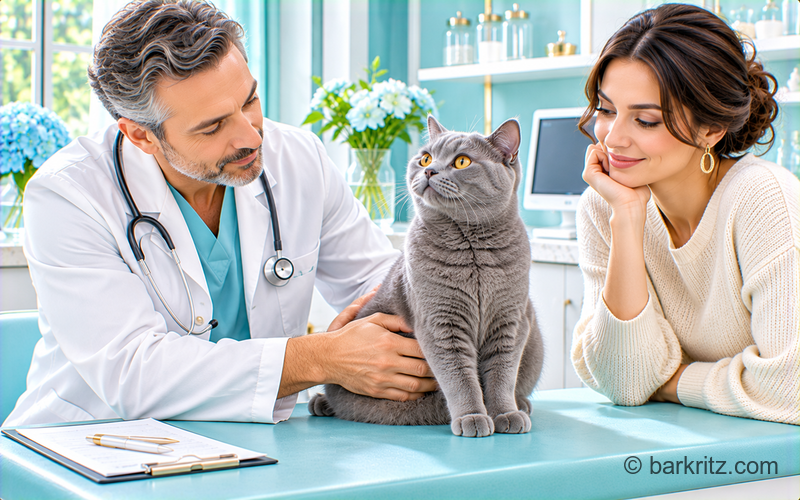
Persistent vomiting, diarrhea, constipation, appetite changes, abdominal discomfort, and unexplained weight loss should never be treated simply as signs of an unbalanced microbiome, because they can indicate underlying medical conditions.
Digestive symptoms can range from temporary disturbances to signs of more serious disease. Occasional changes in stool may follow a dietary transition, but recurring symptoms deserve professional attention.
Owners should monitor for:
- Repeated vomiting: particularly when accompanied by lethargy, reduced appetite, or inability to keep water down.
- Persistent diarrhea: especially when stools contain blood, appear black and tarry, or are accompanied by dehydration.
- Constipation: straining, repeated unsuccessful litter-box visits, or unusually infrequent bowel movements.
- Changes in appetite: refusing food, eating substantially less, or displaying unusual hunger.
- Weight loss: particularly when it occurs despite an apparently normal appetite.
- Abdominal discomfort: a tense abdomen, unusual hiding, sensitivity to touch, or reluctance to move.
Some signs require urgent veterinary assessment. Repeated unsuccessful attempts to urinate, particularly in male cats, may indicate a urinary obstruction rather than constipation and constitute a medical emergency. Severe lethargy, collapse, significant bleeding, or persistent vomiting also warrants prompt attention.
Cats that stop eating should not simply be encouraged to wait for their appetite to return. Prolonged food refusal can lead to serious complications, including hepatic lipidosis, particularly in overweight cats. Contact a veterinarian promptly if a cat refuses food for around 24 hours, or sooner if the animal is young, elderly, unwell, or displaying other symptoms.
Improving feline gut health naturally is ultimately a matter of consistency, informed nutrition, and attentive observation. A complete diet, adequate hydration, appropriate daily activity, and a comfortable home environment provide the foundations for digestive well-being. When symptoms appear, professional veterinary guidance remains essential: the most thoughtful approach is not to mask digestive problems with supplements, but to understand their cause and protect the cat’s long-term health.