

How to Dress Your Pet for a Photoshoot
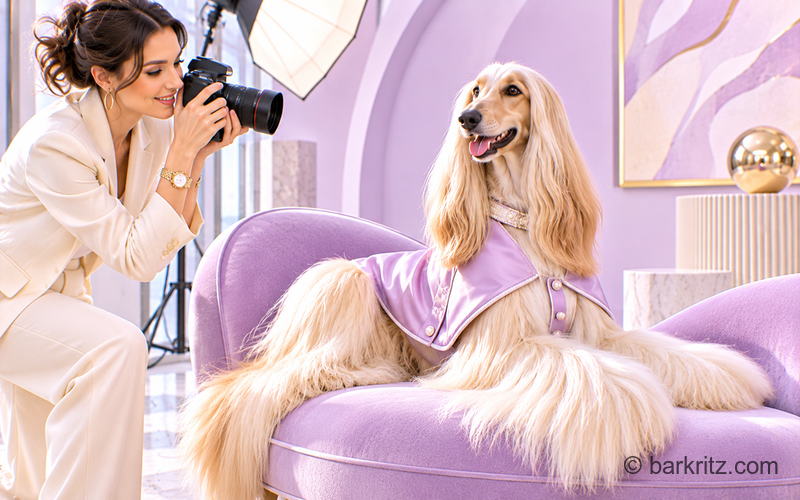
A beautifully styled pet portrait captures more than an attractive outfit; it reveals personality, character, and the special bond between an animal and its owner. Whether the setting is a Manhattan penthouse, a sunlit garden, or a professional photography studio, thoughtful styling can transform an ordinary photograph into a memorable editorial image. The secret lies in selecting clothing that complements the animal’s appearance without overwhelming its natural charm. From fabric and color choices to fit, accessories, and preparation, every detail should contribute to a polished result while keeping the pet comfortable and relaxed.
How Should You Choose an Outfit That Complements Your Pet’s Breed and Personality?
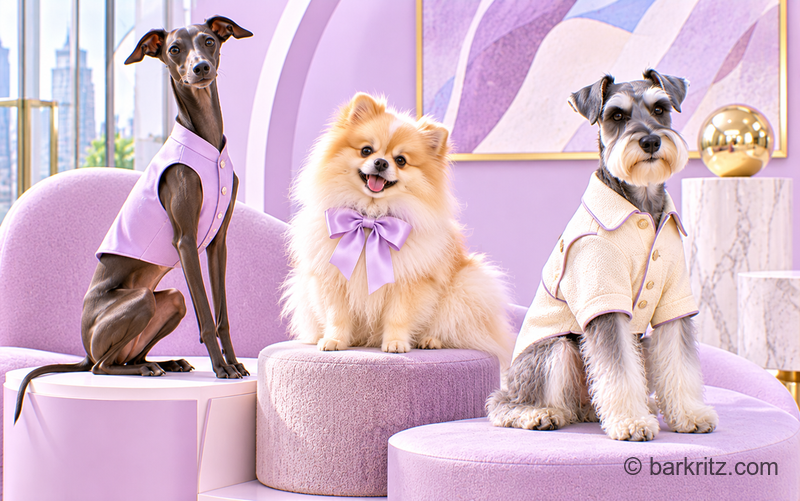
The most successful photoshoot outfit enhances a pet’s natural features and individual temperament rather than disguising its distinctive appearance.
A garment that looks beautiful on one breed may be unsuitable for another. A slender Italian Greyhound, for example, has a very different silhouette from a compact French Bulldog or a heavily coated Samoyed. Coat length, body proportions, facial structure, and movement should all influence the styling decision.
Consider these combinations when planning a photoshoot wardrobe:
- Long-haired breeds: Maltese, Afghan Hounds, and Yorkshire Terriers can look particularly elegant in simple collars, delicate ribbons, or understated accessories that do not obscure their coats.
- Curly-coated breeds: Poodles and Lagotto Romagnolos often photograph beautifully in clean, structured pieces that complement their distinctive coat texture.
- Short-haired breeds: Whippets, Dachshunds, and French Bulldogs can carry tailored jackets, soft knitwear, and carefully fitted vests without excessive visual bulk.
- Large, fluffy breeds: Samoyeds and Chow Chows are often best styled with restrained accessories, allowing their impressive coats to remain the focal point.
- Small companion breeds: Papillons, Chihuahuas, and Pomeranians can wear miniature garments, provided the proportions remain balanced and the clothing does not restrict movement.
Personality matters just as much as physical appearance. A confident dog may comfortably wear a structured jacket, while a sensitive or easily distracted companion may prefer a familiar collar with one carefully selected accessory. Cats generally benefit from even simpler styling, since many dislike unfamiliar garments.
The objective is not to create a miniature version of human fashion. It is to develop a visual identity that feels authentic to the animal.
Which Colors and Fabrics Photograph Best on Dogs and Cats?
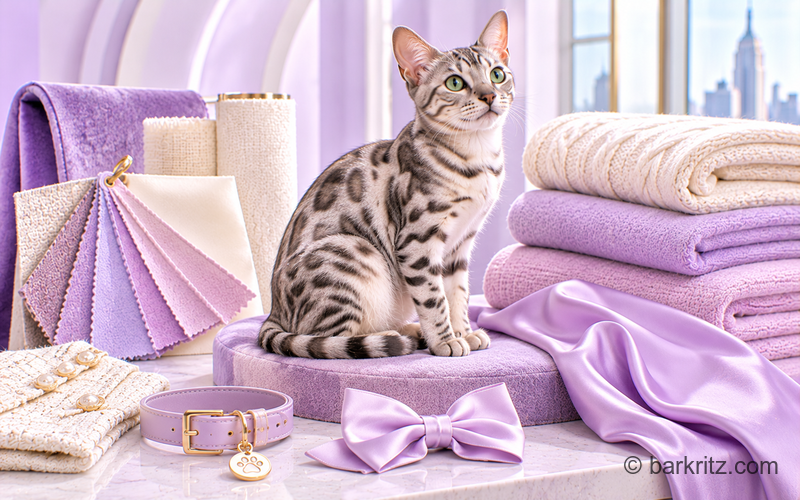
The most photogenic pet outfits use colors that complement the animal’s coat and fabrics that retain their shape, texture, and comfort under the lighting conditions of the photoshoot.
Color selection should begin with the pet itself. A cream-colored dog may stand out beautifully against sage, dusty blue, or muted rose, while a black-coated cat can look striking in ivory, soft champagne, or carefully chosen jewel tones. The background should also influence the final palette: an outfit that looks refined against a neutral studio wall may disappear against a similarly colored interior.
Several combinations offer particularly attractive results:
- White or cream coats: Sage green, pale blue, dusty rose, and soft lavender create gentle contrast.
- Black coats: Ivory, emerald, burgundy, and muted metallic accents provide definition without overwhelming the image.
- Golden and apricot coats: Powder blue, forest green, cream, and muted plum can complement warm fur tones.
- Gray and silver coats: Blush pink, deep blue, pale mint, and soft ivory create elegant tonal contrast.
- Brown coats: Cream, dusty rose, muted teal, and pale champagne help distinguish the garment from the animal’s natural coloring.
Fabric selection is equally important. Lightweight cotton, soft linen, fine knitwear, and breathable blends can work well for relaxed portraits. Velvet and satin may add visual richness for formal editorial concepts, but they should never become stiff, heavy, or uncomfortable.
Avoid fabrics that produce excessive glare under studio lights or create distracting visual noise. Large logos, oversized patterns, reflective decorations, and noisy embellishments can draw attention away from the animal’s expression.
A useful styling principle is to choose one dominant color, one complementary shade, and a restrained accent. This creates a coherent visual composition without making the outfit appear overly elaborate.
How Can You Select Accessories That Elevate a Pet’s Photoshoot Look?
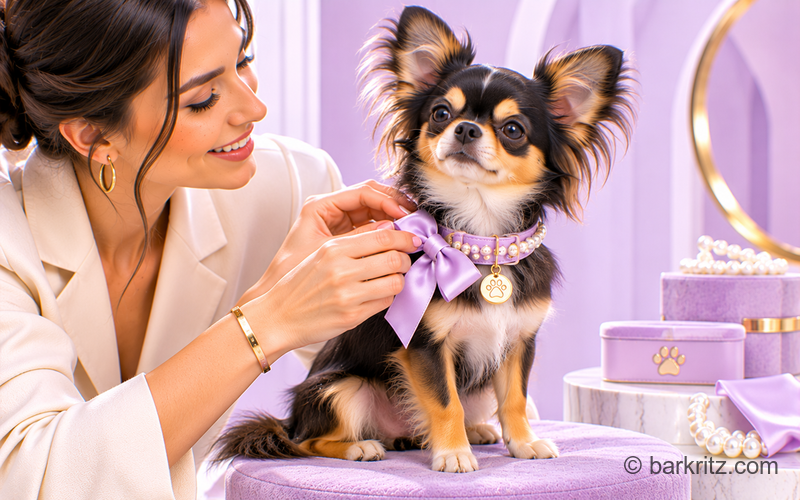
The most effective pet accessories are carefully proportioned finishing details that add character to an outfit without distracting from the animal’s face, expression, or natural movement.
Accessories can introduce personality into a portrait, but restraint is essential. A beautifully made collar, a silk bow, or a small decorative detail may be all that is required. Too many elements can make the styling appear theatrical and uncomfortable.
Consider these options:
- Silk bows and ribbons: Particularly suitable for small companion breeds and long-coated dogs, provided they are securely attached and do not pull on the fur.
- Tailored collars: Leather or fabric collars with refined hardware can add definition to an otherwise simple outfit.
- Decorative harnesses: Useful for outdoor portraits, combining practical security with a coordinated appearance.
- Lightweight scarves: Can introduce color and texture, especially in autumn or travel-themed editorial photography.
- Miniature hats: Best reserved for brief, supervised photographs with animals that willingly tolerate headwear.
- Personalized tags: A subtle engraved detail can add individuality without becoming the central visual feature.
Cats require particular consideration. Many are uncomfortable with decorative clothing or accessories, so a well-fitted collar with a suitable safety release may be a more appropriate choice than a complete outfit.
Every accessory should be checked for small detachable pieces, sharp edges, loose threads, and anything that could become caught in fur or furniture. Avoid dangling decorations that an animal might chew or swallow.
The finest styling often involves removing one accessory rather than adding another. The animal should remain the unmistakable star of the photograph.
How Should You Prepare Your Pet Before a Professional Photoshoot?
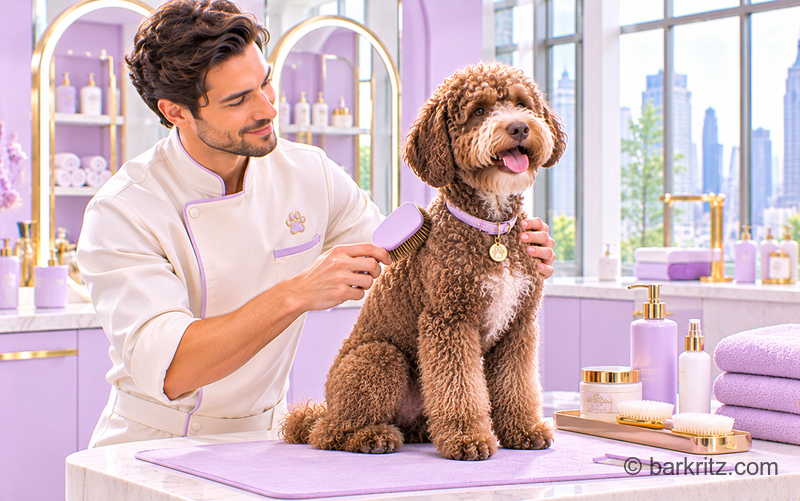
A successful photoshoot begins with calm preparation, familiar routines, and gentle grooming rather than last-minute styling or an unfamiliar outfit introduced immediately before the camera starts shooting.
A pet that feels relaxed is more likely to produce natural expressions and comfortable poses. Preparation should therefore focus on creating a positive experience rather than achieving a perfectly controlled appearance.
A few practical steps can make a significant difference:
- Schedule grooming in advance: Arrange bathing, brushing, nail care, or professional grooming early enough to avoid unnecessary stress immediately before the session.
- Introduce the outfit gradually: Let the pet investigate the garment and wear it briefly at home before the photoshoot.
- Check the fit: Ensure that clothing does not restrict the neck, chest, shoulders, legs, or natural movement.
- Bring familiar essentials: Pack the animal’s usual treats, water, favorite toy, and a comfortable blanket.
- Choose an appropriate session time: Consider the pet’s usual feeding, sleeping, and activity schedule.
- Allow breaks: Provide opportunities to rest, drink water, move freely, and step away from the camera.
Grooming should enhance the animal’s natural appearance, not dramatically change it. Brushing, gentle coat finishing, and cleaning around the eyes and paws can help create a polished result. Avoid experimenting with unfamiliar shampoos, styling products, or grooming treatments immediately before the session.
For professional photography, discuss the intended concept with the photographer beforehand. Share outfit ideas, reference images, and any behavioral considerations. A photographer experienced with animals will understand the importance of patience, short shooting intervals, and positive reinforcement.
Most importantly, never force a pet to wear something that causes distress. A simple portrait without clothing is always preferable to an elaborate photograph in which the animal appears uncomfortable.
How Can You Create a Cohesive Photoshoot Concept That Looks Editorial Rather Than Overstyled?
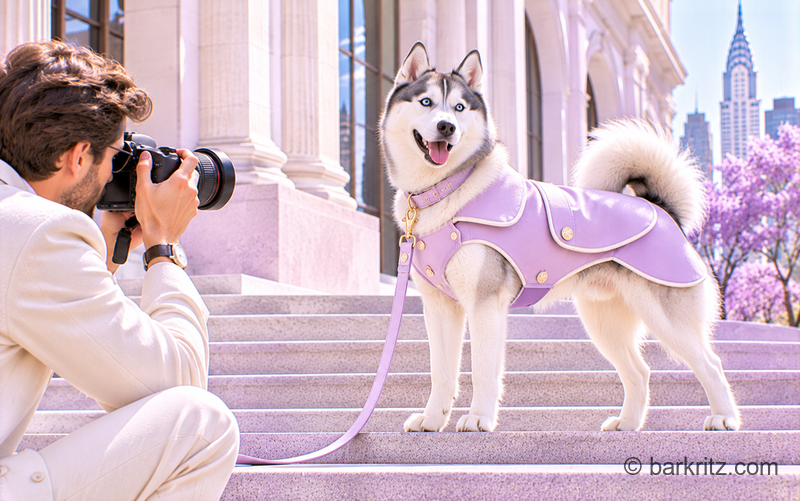
A sophisticated pet photoshoot comes together when the outfit, background, lighting, props, and animal’s natural personality follow one clear visual concept.
Instead of choosing clothing independently from the setting, develop the entire image around a coherent idea. A tailored linen vest may suit a sunlit terrace, while a soft cashmere sweater feels more appropriate for an intimate winter interior. A formal bow tie can complement an architectural reception space, whereas a lightweight bandana may be ideal for an outdoor travel portrait.
Several editorial directions offer distinctive possibilities:
- Modern city portrait: A minimalist jacket, refined collar, and clean architectural background create a contemporary urban aesthetic.
- Garden editorial: Natural fabrics, muted pastel shades, and soft outdoor light produce a relaxed, elegant atmosphere.
- Classic formal portrait: A tailored vest, discreet bow tie, or simple decorative collar works well against a refined studio backdrop.
- Seasonal lifestyle story: Knitwear, scarves, and carefully selected textures can communicate the character of a particular season.
- Travel-inspired portrait: A practical harness, compact carrier, and coordinated accessories create a polished image with a sense of movement and discovery.
Lighting should complement the coat and garment. Soft natural daylight is often flattering, while professional studio lighting offers greater control over shadows and color. Highly reflective fabrics may require adjustments to prevent distracting highlights.
Props should have a clear purpose. A sculptural chair, an elegant travel case, or a distinctive piece of furniture can help establish the setting without competing with the animal. Avoid overcrowding the frame with decorative objects.
The final image should feel effortless, even when considerable preparation has gone into creating it. The best pet portraits do not simply display an outfit; they capture an animal’s individuality through thoughtful styling, beautiful composition, and genuine comfort. When those elements work together, the result is an image that feels timeless, personal, and unmistakably editorial.