

How to Support Your Dog’s Immune System Naturally
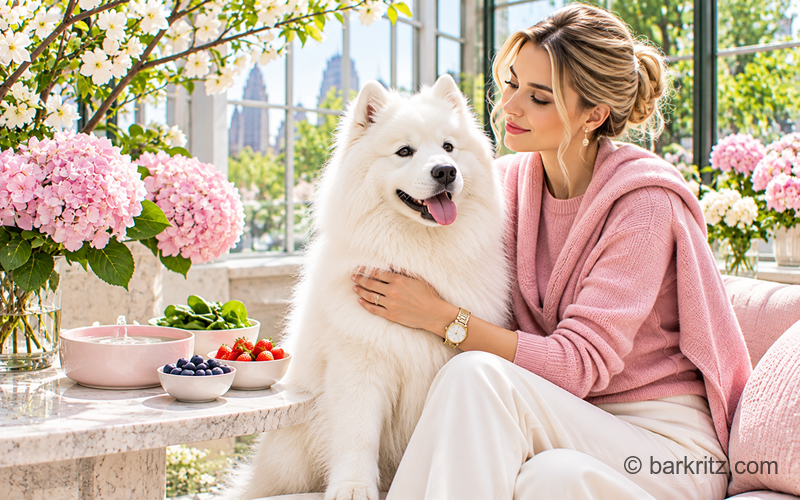
A dog’s well-being begins long before the first sign of illness, with the everyday habits that sustain the body’s natural defenses. Nutrition, restorative sleep, regular exercise, preventive veterinary care, and a balanced living environment all contribute to immune function. For discerning pet owners, supporting a dog’s immunity is less about pursuing miracle supplements and more about creating a thoughtful, consistent wellness routine tailored to the animal’s age, breed, lifestyle, and individual needs. The most effective approach combines evidence-informed care with close attention to the subtle changes that reveal how a dog is feeling.
Which Nutrients Help Support a Dog’s Immune System Naturally?

A complete and balanced diet appropriate for a dog’s life stage is the foundation of immune health because it supplies the protein, essential fatty acids, vitamins, and minerals required for normal immune function.
The immune system depends on a complex network of cells and tissues that continually maintain the body’s defenses. Protein provides amino acids needed to build antibodies and immune cells, while dietary fats contribute essential fatty acids that support cell membranes and help regulate inflammatory processes. Vitamins and minerals, including vitamins A, D, E, and several B vitamins, as well as zinc, selenium, and copper, also play important roles when supplied in appropriate amounts.
For most healthy dogs, a reputable, nutritionally complete commercial diet is a practical way to meet these needs. Carefully formulated home-prepared diets can also be appropriate, but they should be developed with a veterinarian or board-certified veterinary nutritionist to avoid nutritional imbalances.
Thoughtful nutritional priorities include:
- High-quality protein: Supports tissue maintenance, antibody production, and the renewal of immune cells.
- Essential fatty acids: Omega-3 and omega-6 fatty acids contribute to healthy skin, coat condition, and normal inflammatory regulation.
- Vitamins and minerals: Support a range of physiological processes involved in immune function.
- Appropriate calorie intake: Helps maintain a healthy body condition, avoiding the additional health risks associated with obesity.
- Consistent feeding routines: Make it easier to monitor appetite, digestion, and changes in weight.
More nutrients do not automatically mean stronger immunity. Excessive supplementation, particularly with fat-soluble vitamins or certain minerals, can cause harm. Before adding powders, oils, or multivitamins to a dog’s routine, owners should establish whether a genuine nutritional need exists.
Can Gut Health Improve a Dog’s Natural Immune Defenses?
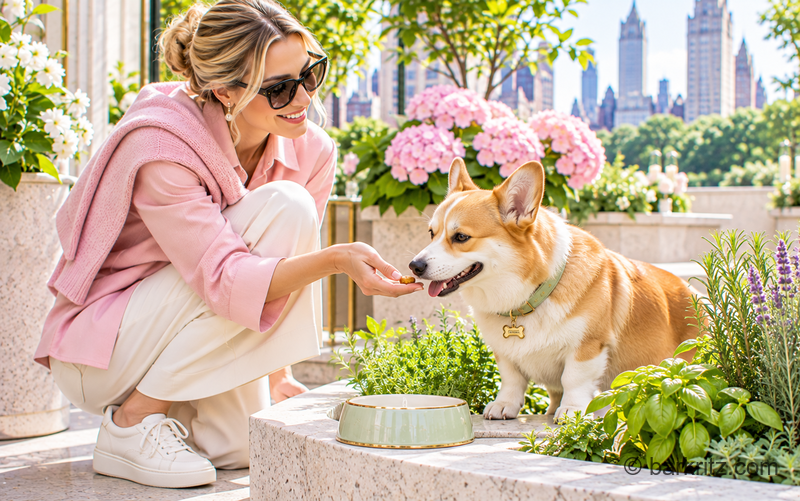
Supporting a healthy intestinal microbiome can contribute to normal immune function because the digestive tract houses a complex community of microorganisms that interact with the intestinal barrier and the body’s immune system.
The canine gut microbiome includes bacteria and other microorganisms involved in digestion, nutrient metabolism, and the maintenance of a healthy intestinal environment. The intestinal lining also serves as an important protective barrier, helping regulate which substances pass from the digestive tract into the body.
Dietary fiber can help support beneficial microbial activity, although individual dogs vary in their tolerance of particular fiber sources. Some complete diets incorporate prebiotics, while certain veterinary diets and supplements contain probiotics intended to support digestive health. The effects depend on the specific product, microorganism strain, dosage, and health concern being addressed.
Owners can support digestive well-being through several practical habits:
- Introduce dietary changes gradually: Transition between foods over approximately seven to ten days when circumstances permit, adjusting the pace if digestive sensitivity develops.
- Choose appropriate fiber sources: Use foods or diets formulated for canine nutritional needs rather than experimenting with large quantities of unfamiliar ingredients.
- Keep water readily available: Adequate hydration supports digestion and normal bodily functions.
- Use probiotics selectively: Ask a veterinarian whether a specific product is appropriate, especially if the dog has persistent digestive symptoms or an underlying medical condition.
- Monitor stool quality: Repeated diarrhea, constipation, mucus, or blood warrants veterinary attention rather than an assumption that the microbiome simply needs rebalancing.
Fermented foods and human probiotic products should not automatically be considered suitable for dogs. Some contain excessive fat, salt, sweeteners, or ingredients that may be unsafe. A targeted, veterinary-guided approach is preferable to adding multiple products without a clear purpose.
How Much Exercise and Sleep Does a Dog Need for Healthy Immune Function?
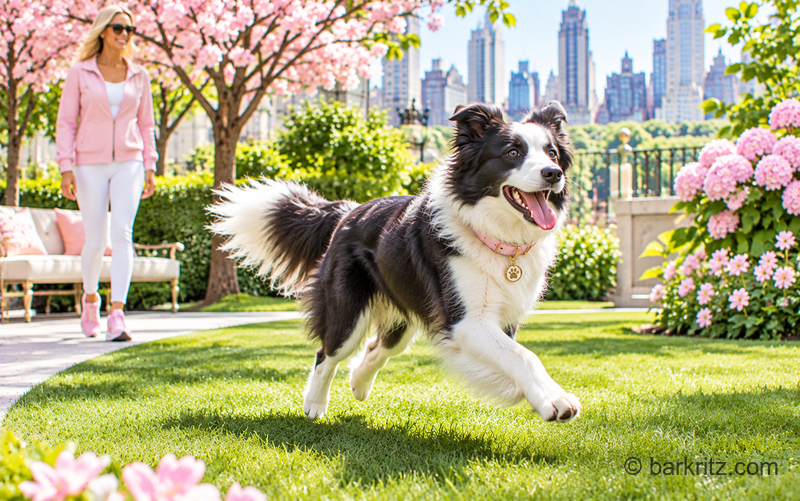
Regular, appropriately paced exercise combined with sufficient restorative sleep supports the physiological balance necessary for healthy immune function, while chronic stress and inadequate rest can undermine overall well-being.
Physical activity helps maintain a healthy body weight, supports cardiovascular fitness, preserves muscle mass, and provides mental stimulation. The right routine depends on age, breed, body condition, mobility, and medical history. A young working-breed dog may thrive with extended walks and structured activities, whereas a senior companion with arthritis may benefit more from shorter, frequent outings and low-impact movement.
Sleep is equally important. Adult dogs commonly sleep for roughly 12–14 hours over a 24-hour period, while puppies, older dogs, and some highly active individuals may need considerably more. These figures are general guides rather than strict targets; individual requirements vary.
A balanced daily routine may include:
- Purposeful walks: Several outings suited to the dog’s stamina, physical condition, and tolerance for weather.
- Mental enrichment: Scent games, food puzzles, training sessions, and exploratory walks that provide cognitive stimulation.
- Uninterrupted rest: A comfortable, quiet sleeping area away from persistent noise and household traffic.
- Age-appropriate activity: Gentle movement for dogs with mobility limitations and more demanding exercise for healthy dogs whose breeds and temperaments require it.
- Predictable daily rhythms: Consistent feeding, activity, and bedtime routines that help reduce unnecessary disruption.
Exercise should leave a dog comfortably satisfied rather than exhausted. Excessive exertion, particularly in hot weather or in dogs with respiratory or cardiac conditions, can be dangerous. Persistent restlessness, unusual fatigue, changes in sleeping patterns, or reduced exercise tolerance should be discussed with a veterinarian.
Which Natural Supplements and Ingredients Are Worth Considering for Dogs?
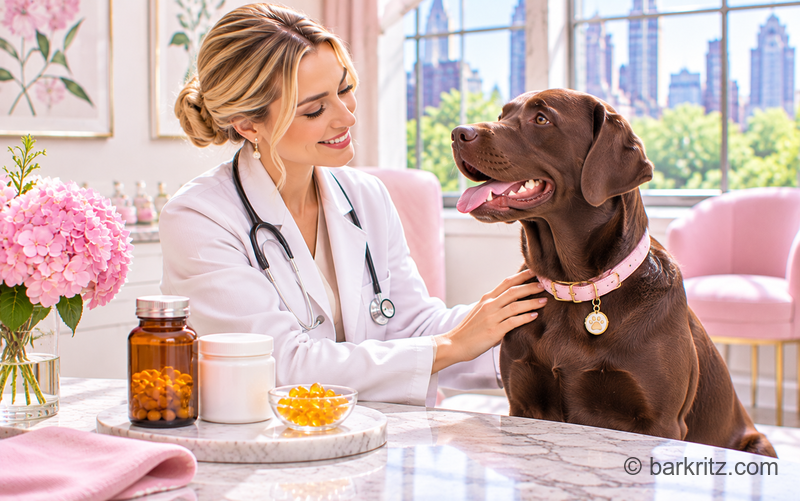
Certain supplements may be useful when they address a specific nutritional deficiency or veterinary-identified need, but no natural ingredient has been established as a universal immune booster for every dog.
The word natural describes an origin, not a guarantee of safety or effectiveness. Some botanical products can interact with medications, affect the liver or gastrointestinal tract, or contain inconsistent concentrations of active ingredients. A product marketed for human wellness may also contain substances unsuitable for canine consumption.
Several categories deserve careful, individualized consideration:
- Omega-3 fatty acids: EPA and DHA, commonly sourced from fish oil, may be recommended for selected inflammatory conditions and other specific clinical needs; the appropriate dose depends on the dog and the product.
- Probiotics: Certain strains may help with particular digestive concerns, but evidence and effectiveness are product-specific.
- Vitamin or mineral supplements: Appropriate when a deficiency or increased requirement has been identified, rather than added routinely to an already balanced diet.
- Veterinary-formulated nutritional products: May be useful for dogs with specific life-stage requirements or diagnosed conditions when selected with professional guidance.
Some popular home remedies deserve particular caution. Garlic can be toxic to dogs, and concentrated herbal preparations may carry risks that are not obvious from their marketing. Essential oils should not be administered orally or applied to a dog without veterinary direction. Human supplements may also contain xylitol, a sweetener that is highly toxic to dogs.
Before starting a supplement, owners should review the complete ingredient list, manufacturing standards, intended dosage, and available quality testing with a veterinarian. This is especially important for puppies, pregnant or nursing dogs, seniors, and animals receiving medication or managing chronic disease.
What Everyday Habits Protect a Dog’s Immune Health Over the Long Term?
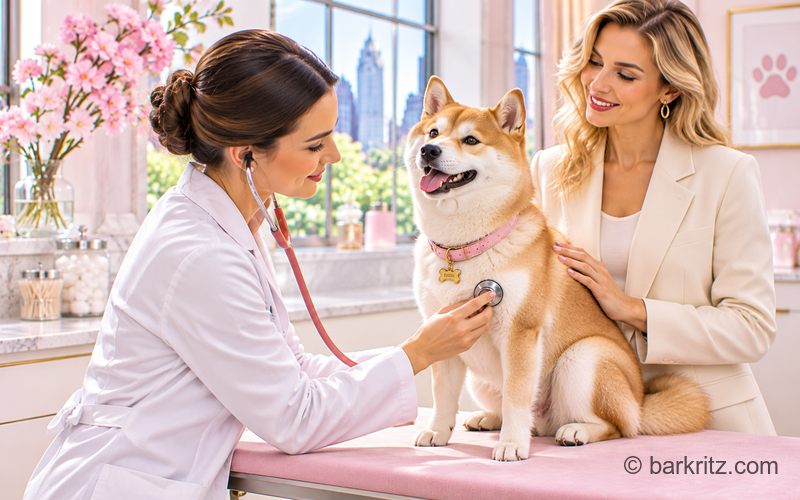
The most reliable long-term strategy for supporting a dog’s immune health combines preventive veterinary care, appropriate vaccination, parasite control, dental hygiene, environmental safety, and prompt attention to changes in behavior or physical condition.
Natural wellness practices work best as part of a broader health plan rather than as substitutes for established preventive medicine. Vaccines prepare the immune system to recognize specific infectious threats, while parasite prevention helps reduce exposure to organisms that can cause illness. Routine veterinary examinations can also identify problems before they become more difficult to manage.
A considered preventive-care routine includes:
- Regular veterinary examinations: Frequency should reflect age, medical history, breed-related risks, and current health.
- Appropriate vaccination: Follow a veterinarian’s recommendations based on lifestyle, exposure risk, local disease prevalence, and applicable guidelines.
- Effective parasite prevention: Use suitable protection against fleas, ticks, intestinal parasites, and heartworm where relevant.
- Consistent dental care: Regular toothbrushing with dog-safe toothpaste helps control plaque and supports oral health.
- Weight management: Maintain an appropriate body condition through measured portions, suitable exercise, and periodic weight checks.
- Clean, safe surroundings: Wash food and water bowls regularly, store medications and household chemicals securely, and avoid contact with contaminated water or animal waste.
- Stress reduction: Provide predictable routines, positive training, safe resting spaces, and gradual introductions to unfamiliar situations.
Owners should also learn their dog’s normal patterns of appetite, thirst, energy, digestion, and behavior. Changes such as recurrent infections, unexplained weight loss, persistent skin problems, prolonged digestive disturbances, or unusual lethargy deserve professional assessment. Difficulty breathing, collapse, or other signs of an acute emergency require immediate veterinary attention.
Supporting a dog’s immune system naturally ultimately means protecting the conditions in which its body can function well. A balanced diet, healthy digestion, restorative sleep, appropriate movement, and thoughtful preventive care create a stronger foundation than any single supplement or fashionable remedy. The finest expression of pet wellness is a personalized routine built around sound veterinary guidance, consistent observation, and the everyday care that allows a companion to thrive.