

Most Expensive Cat Breeds in the World Today
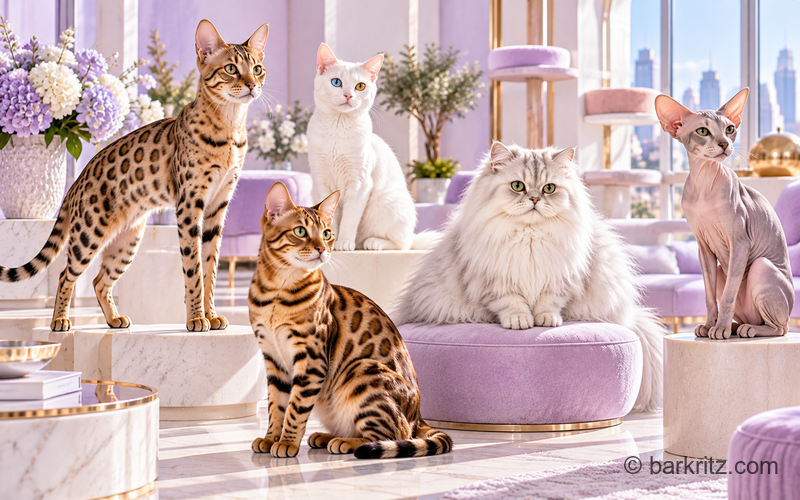
Some cats command extraordinary prices because of their rarity, distinctive appearance, carefully documented pedigrees, and the complexity of responsible breeding. From the wild-inspired elegance of the Savannah to the sculptural features of the Peterbald, the world’s most expensive cat breeds occupy a fascinating intersection of genetics, heritage, and contemporary companion-animal culture. Yet a high purchase price does not automatically indicate better health, a superior temperament, or a more rewarding relationship. Understanding what drives the cost of these remarkable cats helps prospective owners distinguish genuine pedigree value from marketing hype—and recognize the lifelong commitment behind every exceptional companion.
Which Cat Breeds Are Considered the Most Expensive in the World Today?
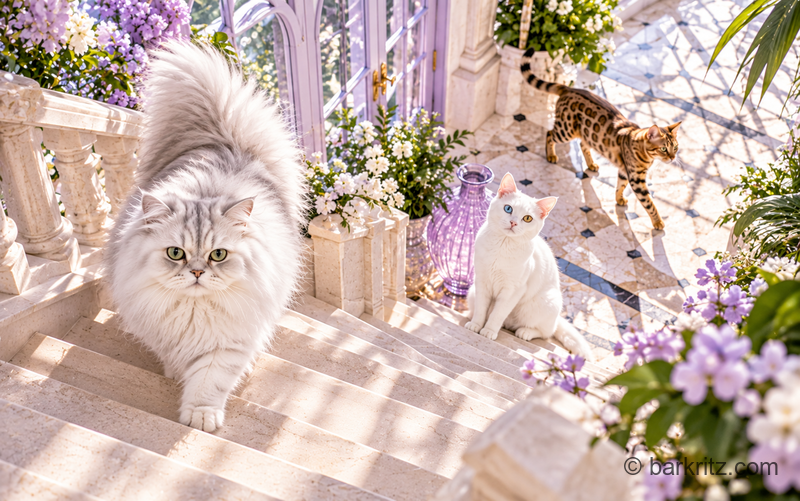
The most expensive cat breeds commonly include the Savannah, Khao Manee, Bengal, Persian, and Peterbald, although prices vary considerably according to pedigree, generation, breeder reputation, location, and availability.
There is no universal ranking of cat breeds by price, and advertised figures should be treated as approximate market ranges rather than fixed valuations. Individual kittens may sell for substantially more or less than the typical range, while some rare breeds have limited availability and inconsistent pricing across countries.
The following estimates illustrate the kinds of prices prospective owners may encounter in the United States:
- Savannah: Approximately $3,000–$20,000 or more, depending heavily on generation, ancestry, and breeding status.
- Khao Manee: Often around $5,000–$11,000 for cats from scarce, well-documented breeding lines, although availability and prices vary.
- Bengal: Commonly around $1,500–$5,000, with some pedigreed cats commanding higher prices for particular traits or breeding rights.
- Persian: Often around $1,500–$5,000 for well-bred pedigreed kittens, with substantial variation by lineage and breeder.
- Peterbald: Frequently around $1,700–$5,000, depending on pedigree, coat type, and breeder availability.
These figures are illustrative estimates, not verified live quotations or guaranteed current market averages. Prices can change, and a breeder’s asking price does not necessarily reflect the long-term costs of ownership.
The reason for the variation is straightforward: pedigree cats are not interchangeable commodities. A documented lineage, health-tested parents, carefully managed early development, and a breeder who provides ongoing support can all influence the price. Geography also matters, particularly for breeds with few established breeders in a particular country.
Prospective owners should compare more than the purchase price. Veterinary examinations, appropriate health screening, high-quality nutrition, insurance, grooming, enrichment, and breed-specific care can significantly increase the lifetime cost of ownership. An unusually expensive kitten is not necessarily the healthiest choice, and a responsible breeder should be able to explain precisely what the asking price represents.
Why Can a Savannah Cat Cost More Than Almost Any Other Domestic Cat?
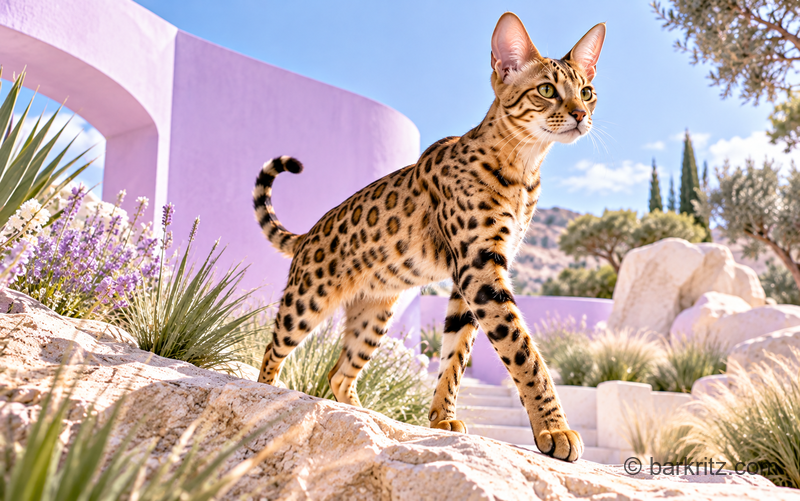
Savannah cats can command exceptionally high prices because their ancestry, generation, breeding complexity, and distinctive wild-inspired appearance create a specialized and often expensive market.
Developed through crosses involving domestic cats and the serval, an African wild cat, Savannahs are known for their long legs, large ears, spotted coats, and athletic silhouettes. Their striking appearance appeals to owners seeking a companion with a particularly dramatic presence, but their ancestry also makes their breeding and ownership more complicated than that of many conventional domestic breeds.
Generation is one of the most important factors affecting a Savannah’s price. Breeders use filial-generation designations, such as F1, F2, and F3, to describe a cat’s generational relationship to an ancestor of the serval lineage. Earlier-generation cats generally have a more recent serval ancestor, but the designation alone does not establish a cat’s temperament, health, or suitability for a particular home.
Several factors can influence the price:
- Generation and ancestry: Earlier generations may command higher prices because breeding them can be more challenging and the market for them is more specialized.
- Pedigree documentation: Verifiable ancestry helps establish the cat’s background and supports responsible breeding records.
- Breeding potential: Cats sold with breeding rights may have substantially different prices from those intended solely as companions.
- Physical characteristics: Coat pattern, body proportions, ear placement, and overall conformation can influence demand.
- Availability and regulation: Local breeder supply and legal restrictions can affect both price and accessibility.
The Savannah’s appeal comes with significant practical considerations. These cats are often energetic, curious, and highly active, although individual personalities vary. They may need substantial environmental enrichment, secure climbing structures, interactive play, and carefully managed access to the outdoors.
Legal requirements are especially important. Rules governing Savannah ownership differ by jurisdiction and may depend on generation. Some places restrict or prohibit ownership of particular generations or require permits. Prospective owners should verify the applicable regulations before placing a deposit, especially when importing a cat or moving between states or countries.
A Savannah is not simply a more expensive version of an ordinary house cat. Its needs, activity level, and ancestry require informed preparation. The most suitable home is one that can provide both an engaging environment and responsible long-term care.
What Makes the Khao Manee One of the World’s Rarest and Most Expensive Cat Breeds?
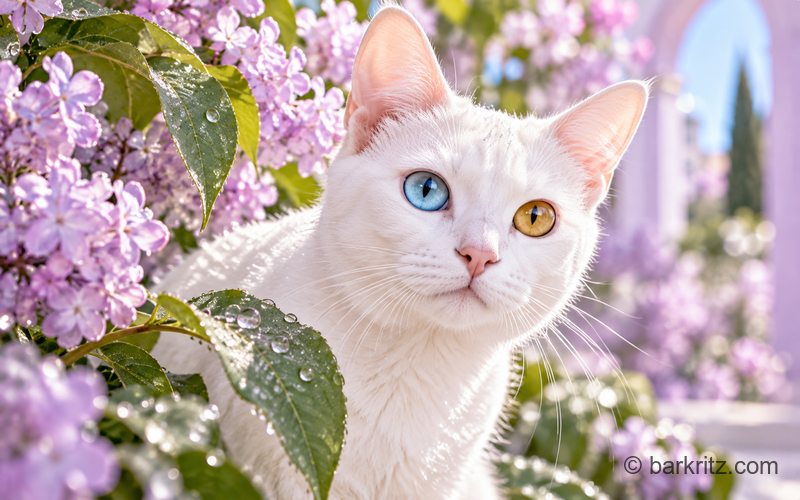
The Khao Manee can command a high price because of its comparatively limited availability outside Thailand, its historical heritage, and its distinctive white coat paired with striking eyes.
Known historically in Thailand, the Khao Manee is often associated with traditional Siamese royal and cultural narratives. Its name is commonly translated as “white gem,” an evocative reference to the breed’s luminous appearance. These cats are generally characterized by a short white coat, a medium-sized muscular body, and expressive eyes that may be blue, gold, green, or different colors in each eye.
Unlike the Savannah, the Khao Manee’s appeal is not rooted in wild ancestry. Its exclusivity is more closely connected to its heritage, limited international availability, and the effort required to maintain responsible breeding programs.
The features most often associated with the breed include:
- White coat: A short, close-lying coat that gives the cat a clean, luminous appearance.
- Distinctive eyes: Blue, gold, green, or odd-colored eyes contribute to the breed’s visual appeal.
- Thai heritage: A historical connection to Thailand distinguishes the breed from many modern pedigreed varieties.
- Limited availability: Fewer established breeding programs in some international markets can make well-documented kittens difficult to find.
- Pedigree verification: Reliable documentation is important when evaluating claims of breed authenticity.
Eye color can influence buyer interest, but appearance should never replace health assessment. White cats with blue eyes have an increased risk of congenital deafness, although the risk varies and not every blue-eyed white cat is deaf. Responsible breeders should be prepared to discuss appropriate hearing assessment and relevant family health history.
A high price may reflect rarity, but rarity alone does not establish responsible breeding or good health. Buyers should request pedigree documentation, veterinary records, details of early socialization, and information about the parents. They should also be wary of sellers who use claims of royal heritage or extraordinary rarity without providing credible evidence.
For those drawn to the Khao Manee, its appeal lies in a combination of historical identity and understated physical elegance. The most meaningful distinction is not simply how much the cat costs, but whether its breeder preserves the breed responsibly while prioritizing the welfare of each kitten.
How Do Bengal, Persian, and Peterbald Cats Compare in Price and Appeal?
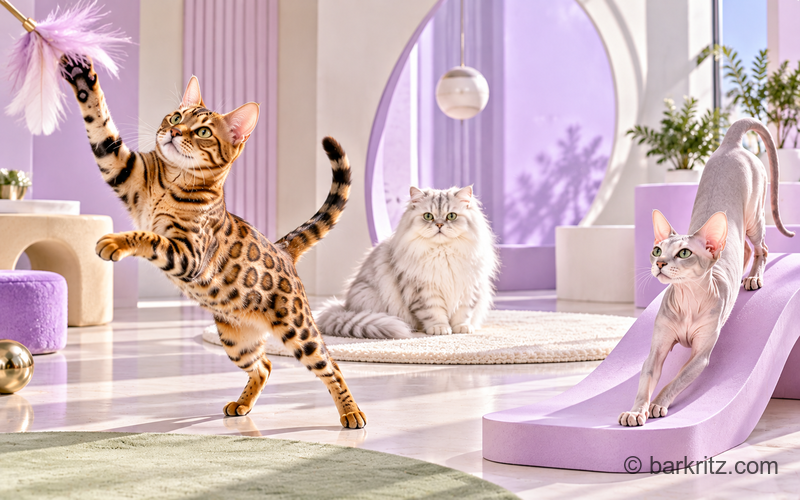
Bengal, Persian, and Peterbald cats occupy different positions in the pedigreed-cat market because their prices reflect distinct combinations of appearance, breeding demand, coat characteristics, and care requirements.
The Bengal is prized for its leopard-like patterning and athletic build, the Persian for its long coat and rounded silhouette, and the Peterbald for its elegant body and distinctive range of coat types. Each offers a different aesthetic and lifestyle experience, making direct price comparisons useful only when accompanied by an understanding of the breed’s needs.
The Bengal: a dramatic spotted coat
Bengals were developed from domestic cats and Asian leopard cats, with modern companion lines bred to establish domestic temperaments and recognizable coat patterns. Their glittering coats, rosettes, and muscular bodies make them particularly distinctive.
Well-bred Bengals often cost approximately $1,500–$5,000, although prices vary with pedigree, breeder reputation, and breeding rights. Their energetic nature means that prospective owners should plan for interactive play, climbing opportunities, puzzle feeders, and daily engagement. A beautiful Bengal without sufficient enrichment may become bored or develop unwanted behaviors.
The Persian: a classic long-haired companion
Persians are known for their long, dense coats, large round eyes, and compact bodies. Their calm reputation and striking appearance have made them enduring favorites in pedigreed-cat circles.
Pedigreed Persian kittens may cost approximately $1,500–$5,000, with some costing more depending on lineage and breeder practices. Their coat requires regular grooming to prevent tangles and matting. Prospective owners should also prioritize health-conscious breeding, particularly because extreme facial structure can contribute to breathing, eye, and dental problems in some Persians.
The Peterbald: a sculptural, distinctive breed
The Peterbald originated in Russia and is recognized for its slender body, elongated head, prominent ears, and coat that may range from nearly hairless to short and soft. Its distinctive appearance has attracted enthusiasts seeking a less conventional pedigreed companion.
Prices often fall around $1,700–$5,000, although the availability of particular coat types and pedigrees can affect the final amount. Peterbalds may need more attention to skin care and temperature comfort than fully coated cats. Hairlessness does not eliminate grooming needs, and individual care should be adapted to the cat’s skin and coat.
When comparing these three breeds, consider more than the initial expense:
- Bengal: High activity needs, athletic enrichment, and a strong preference for interactive play.
- Persian: Regular coat maintenance and careful attention to facial structure and respiratory health.
- Peterbald: Individualized skin care, protection from temperature extremes, and regular monitoring of skin condition.
A breed’s popularity can influence demand, but the best match depends on the owner’s home, schedule, experience, and willingness to meet the animal’s needs. The most expensive option is not necessarily the most suitable, and a responsible breeder should be willing to discuss challenges as openly as desirable traits.
How Can You Buy an Expensive Pedigree Cat Responsibly?

The most responsible way to buy an expensive pedigree cat is to choose a transparent, welfare-focused breeder who prioritizes health, temperament, genetic diversity, and lifelong support over appearance or price.
The purchase process should begin with research rather than a deposit. A reputable breeder should be willing to explain the breed’s characteristics, disclose known health concerns, provide appropriate veterinary records, and discuss the conditions in which kittens are raised. They should also ask questions about the prospective owner’s home and experience, because responsible placement matters as much as a successful sale.
Before committing, look for the following indicators:
- Verifiable pedigree: Registration and lineage records from a recognized organization, where applicable.
- Health screening: Relevant testing for known inherited conditions, supported by records rather than verbal assurances alone.
- Veterinary documentation: Age-appropriate examinations, vaccinations, parasite treatment, and clear information about any health concerns.
- Responsible early care: Evidence that kittens are raised in clean, safe surroundings and gradually accustomed to ordinary household experiences.
- Transparent contracts: Written terms covering ownership, health guarantees, breeding rights where relevant, and the breeder’s responsibilities.
- Ongoing support: A breeder who remains available to answer questions and is prepared to help if the owner can no longer care for the cat.
Be cautious of sellers who insist on immediate payment, refuse to show where the kittens are raised, avoid video calls or in-person visits when practical, or use dramatic claims of rarity to justify an unexplained price. Unusually low prices can also signal fraud, poor breeding conditions, or misleading pedigree claims.
International purchases require additional care. Confirm the legality of the breed and the cat’s generation where relevant, verify import requirements, and account for transport conditions and veterinary documentation. A seemingly attractive purchase price can rise significantly once travel, permits, examinations, and other costs are included.
It is also worth considering adult cats and breed-specific rescues. Retired breeding cats or pedigreed animals needing new homes may be available at a lower adoption cost, and their established personalities can make it easier to assess compatibility. Choosing adoption does not diminish an animal’s pedigree or individuality.
Finally, remember that the purchase price represents only the beginning of a long-term financial commitment. Food, routine veterinary care, insurance where available, grooming, enrichment, emergency treatment, and appropriate accommodation during travel can exceed the initial cost over the cat’s lifetime.
The world’s most expensive cat breeds are admired for their distinctive appearances, heritage, and rarity, but their true value extends far beyond a price tag. A well-informed owner looks for sound health, a compatible temperament, responsible breeding, and a home prepared to meet the animal’s needs for years to come. That combination—not the size of the purchase price—is what makes welcoming an exceptional feline companion a genuinely rewarding experience.