

Best Wellness Retreats for Dogs and Cats
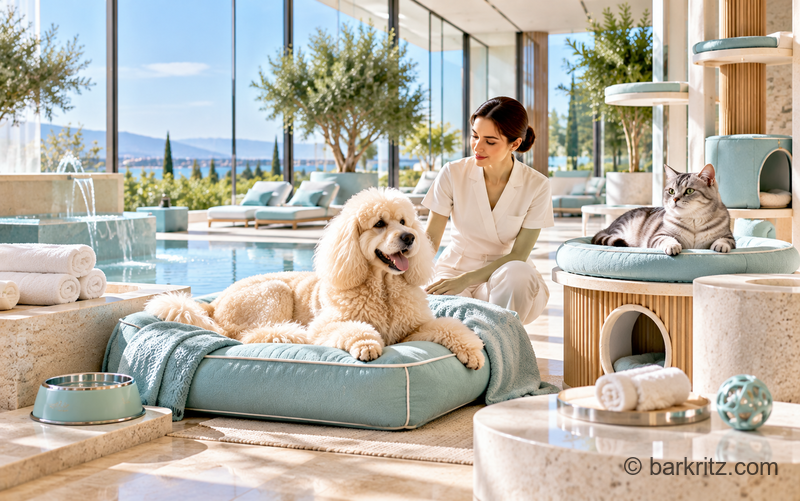
A restorative escape can be as rewarding for a companion animal as it is for its owner, provided the experience is designed around the animal’s comfort, health, and individual temperament. From canine fitness programs and nature-led retreats to cat-friendly sanctuaries with quiet enrichment spaces, the best pet wellness destinations go beyond attractive surroundings to offer thoughtful care, appropriate activity, and opportunities to relax. For discerning pet owners, choosing a retreat means looking beyond the promise of pampering to understand which services are genuinely beneficial, how staff accommodate different needs, and whether the environment allows each animal to feel secure. The most meaningful wellness experience is not necessarily the most elaborate one, but the one that helps a dog or cat return home comfortable, confident, and well cared for.
What Should You Look for in a Premium Wellness Retreat for Dogs and Cats?
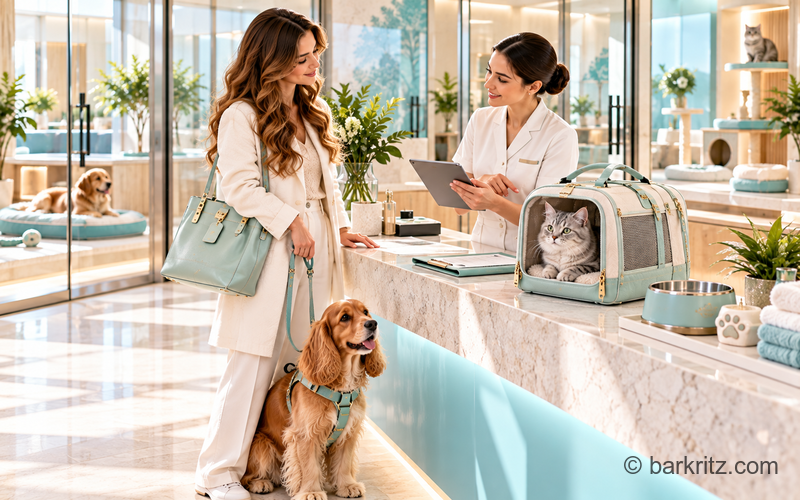
The best pet wellness retreat combines qualified care, a calm and hygienic environment, individualized activities, and transparent policies that prioritize animal welfare over decorative amenities.
A beautiful setting can make a retreat appealing, but the quality of care determines whether it is genuinely suitable. Before booking, establish whether the facility is designed specifically for dogs, cats, or both, and whether it has separate spaces for animals with different behavioral and environmental needs. A sociable dog may enjoy supervised group activities, while a nervous cat may benefit more from quiet surroundings, hiding places, and predictable routines.
Look for clear information about staff training, veterinary access, emergency procedures, cleaning protocols, vaccination requirements, and the way animals are introduced to new environments. Reputable facilities should explain what a typical day involves and how they adjust activities for age, mobility, health, and temperament.
A practical evaluation checklist includes:
- Qualified supervision: Ask about staff experience, animal-handling practices, and access to veterinary assistance.
- Individualized programming: Confirm that exercise, rest, grooming, and enrichment can be adjusted to each animal.
- Species-appropriate facilities: Look for separate, secure spaces for dogs and cats, with suitable resting and retreat areas.
- Health and hygiene standards: Review cleaning procedures, vaccination policies, parasite prevention, and illness-management protocols.
- Transparent communication: Establish how often owners receive updates and how staff report changes in appetite, behavior, or health.
- Emergency readiness: Confirm how urgent veterinary care is arranged and which clinic is contacted when necessary.
Premium service should also mean respect for an animal’s limits. A retreat that offers massage, hydrotherapy, grooming, or structured exercise should explain which pets may benefit, who provides the service, and when veterinary clearance is needed. No single treatment is appropriate for every animal, and a responsible provider will never promise that a wellness experience can replace medical care.
Which Wellness Retreat Experiences Are Best for Active Dogs?
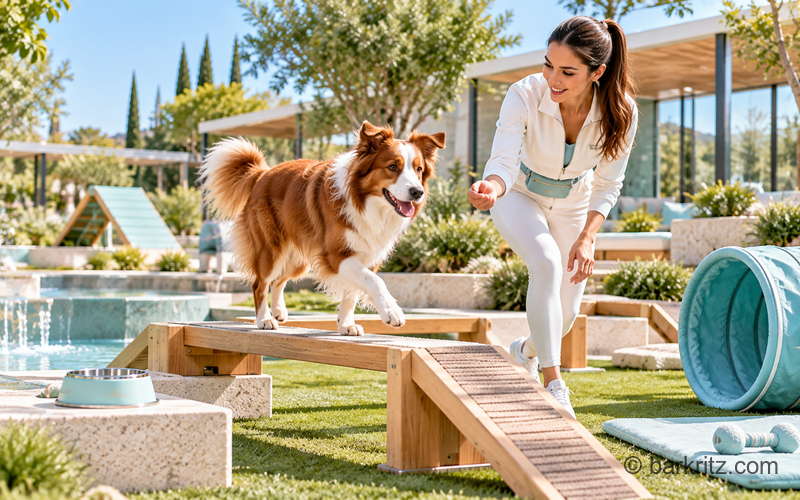
Active dogs often benefit most from retreats that balance controlled physical exercise with recovery, sensory enrichment, and opportunities to explore at a pace suited to their age and fitness.
A well-designed canine wellness program is more than a schedule of long walks. Dogs need different amounts and types of activity depending on their breed, health, conditioning, and preferences. A young, energetic dog may enjoy supervised trail walks and scent-based games, while an older companion may benefit from gentle movement, short outdoor excursions, and comfortable rest periods.
Nature-led retreats can offer varied terrain, fresh air, and new scents, all of which provide physical and mental stimulation. However, outdoor activities should be adapted to the weather, local wildlife, terrain, and the dog’s ability. Secure walking areas, appropriate leash policies, shaded rest points, and access to fresh water are important details to investigate.
For dogs that enjoy structured activity, suitable options may include:
- Guided nature walks: Offer sensory stimulation and moderate exercise, with distance and pace adjusted to the individual dog.
- Scent-work sessions: Encourage natural searching and problem-solving without requiring intense physical exertion.
- Supervised swimming: May provide low-impact movement for selected dogs when conducted safely and with appropriate supervision.
- Canine fitness exercises: Support balance, coordination, and conditioning when designed and monitored by qualified professionals.
- Restorative downtime: Allows dogs to recover between activities and avoid overstimulation.
- Social enrichment: Carefully managed interaction may suit sociable dogs, provided introductions are gradual and participation is voluntary.
Hydrotherapy deserves particular consideration when a dog has mobility limitations or is following a rehabilitation plan. It should be provided by appropriately trained professionals, with veterinary guidance when indicated; it is not automatically suitable for every healthy dog or every medical condition.
Before choosing an activity-focused retreat, ask how staff assess fitness, manage dogs with different energy levels, and recognize fatigue or stress. A dog that is panting excessively, lagging behind, repeatedly seeking shade, or refusing to continue may need a break rather than encouragement to complete an activity. The aim is sustainable well-being, not an impressive exercise itinerary.
Where Can Cats Find Restorative Retreats That Respect Their Need for Calm?
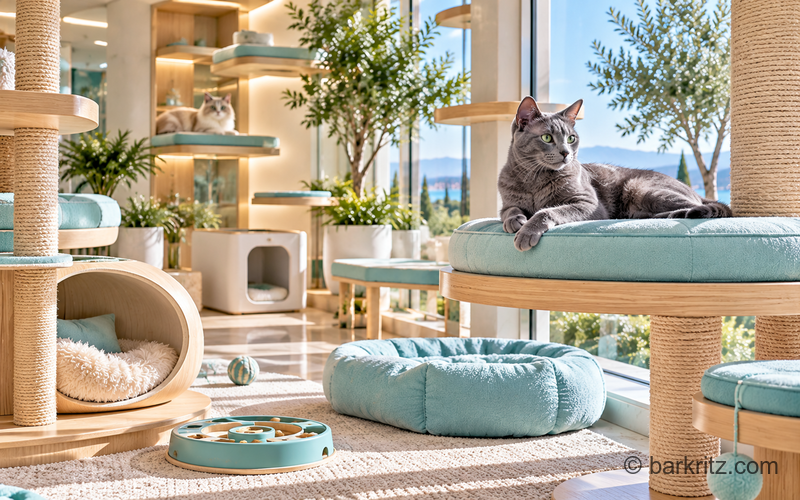
Cats are generally best served by quiet, secure retreats that offer predictable routines, vertical territory, hiding places, and gentle enrichment without forcing interaction or exposing them to unnecessary stimulation.
Unlike many dogs, cats may find unfamiliar surroundings particularly stressful, especially when the environment is noisy, crowded, or filled with unfamiliar animals. A suitable feline retreat should therefore prioritize security and choice. Cats need to be able to observe from a protected position, withdraw when they wish, and approach people or activities on their own terms.
Look for facilities with dedicated cat accommodation rather than a shared room beside barking dogs. Individual spaces should provide comfortable resting areas, clean litter facilities, appropriate scratching surfaces, and safe places to hide. Vertical shelves or climbing structures can offer additional territory, while windows with secure screens may provide visual stimulation without exposing cats to escape risks.
Meaningful feline enrichment can include:
- Interactive play: Wand toys and short play sessions that reflect the cat’s preferences and natural hunting behaviors.
- Climbing and observation: Stable platforms, shelves, and secure window perches.
- Scent enrichment: Carefully selected familiar or novel scents, introduced gradually and discontinued if the cat shows discomfort.
- Food-based activities: Puzzle feeders or small food-search games when compatible with the cat’s diet and eating habits.
- Quiet companionship: Gentle human interaction that allows the cat to choose whether to approach.
- Predictable routines: Consistent feeding, cleaning, rest, and play schedules that reduce uncertainty.
Cats with special needs may require more than a standard boarding environment. Senior cats, animals receiving medication, and those with chronic health conditions may be better suited to a facility with appropriate veterinary support or to care arrangements that preserve their familiar surroundings. For some cats, an experienced in-home sitter may be less stressful than a retreat, however elegant the property.
Ask how staff assess feline stress and what happens if a cat stops eating, hides persistently, or displays unusual behavior. Changes in appetite or elimination can signal significant distress or illness and should not be dismissed as a normal adjustment. A responsible retreat should have a clear procedure for monitoring such changes and seeking veterinary advice.
Which Spa and Recovery Treatments Are Appropriate for Pet Wellness?
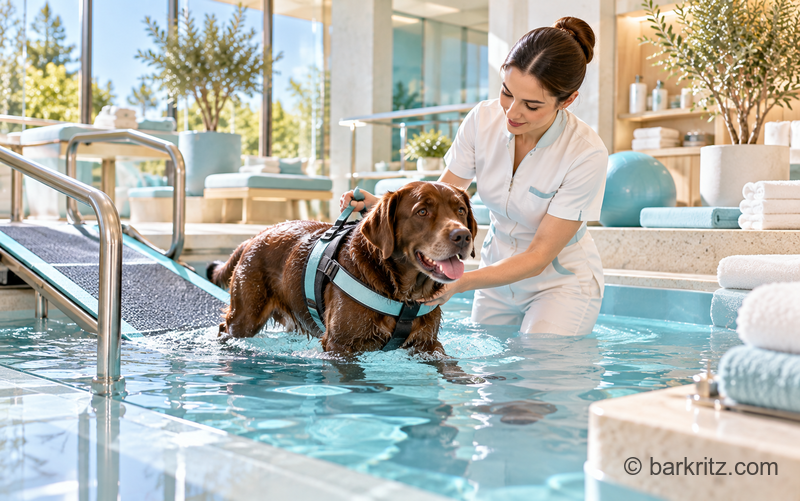
The most appropriate spa and recovery services are those delivered by qualified professionals for a clearly defined purpose, with the animal’s comfort, medical suitability, and voluntary tolerance guiding every session.
Pet wellness menus may include grooming, gentle massage, hydrotherapy, mobility exercises, coat care, or relaxation sessions. Some services can be useful when tailored to an animal’s needs, but the term wellness is broad and does not guarantee clinical benefit. Owners should distinguish between services designed for comfort and hygiene and those intended to support recovery from an injury or medical condition.
Professional grooming can help maintain coat and skin condition, particularly for breeds that need regular brushing, trimming, or careful management of mats. However, grooming should be conducted with humane handling and breaks when necessary. An animal that becomes frightened or physically uncomfortable should not be pushed through a lengthy cosmetic session.
Massage may be offered for relaxation or as part of a professionally supervised care plan, but it should not be used to treat unexplained pain without veterinary assessment. Hydrotherapy and rehabilitation exercises may support selected dogs with mobility or recovery needs, yet these services require appropriate expertise and may be unsuitable for animals with certain medical conditions.
When evaluating treatment options, consider:
- Grooming and coat care: Best for hygiene and coat maintenance when performed with suitable tools and gentle handling.
- Massage: May promote relaxation for some animals; medical concerns should be assessed before treatment.
- Hydrotherapy: Can support selected rehabilitation plans under trained supervision and veterinary guidance where appropriate.
- Mobility sessions: Should be tailored to the animal’s physical condition and delivered by appropriately qualified professionals.
- Relaxation environments: Quiet rooms, comfortable bedding, and low-stimulation surroundings may support rest without requiring a formal treatment.
- Specialist care: Pets with pain, chronic illness, recent surgery, or mobility difficulties may need veterinary-led treatment rather than a general spa service.
Be cautious of providers that promise detoxification, guaranteed pain relief, dramatic behavioral transformation, or other sweeping medical outcomes from non-medical treatments. Ask about practitioner qualifications, contraindications, hygiene, and how the animal’s response is monitored. A high-quality provider should welcome questions and be prepared to stop a session if the pet shows signs of fear, pain, or distress.
The most refined approach to pet wellness is often understated: skilled grooming, comfortable surroundings, suitable movement, and a calm routine can be more valuable than an elaborate menu of treatments.
How Can You Choose the Right Wellness Retreat for Your Pet’s Age, Health, and Personality?
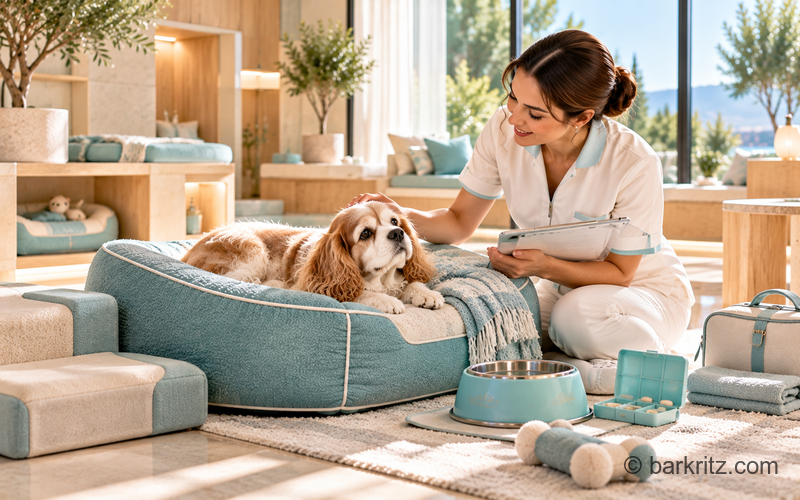
The right retreat is the one whose environment, staffing, activities, and care arrangements match the individual pet’s physical condition, temperament, and tolerance for unfamiliar surroundings.
A wellness destination that suits a confident young dog may be inappropriate for a shy cat or a senior animal that needs medication at specific times. Before making a reservation, consider the pet’s normal routine, previous travel experiences, comfort around unfamiliar people, and ability to cope with changes in environment.
For puppies and kittens, investigate supervision, vaccination requirements, safe socialization practices, and opportunities for appropriate rest. Young animals can become overstimulated easily, so a program packed with activities may be less beneficial than one that balances gentle enrichment with sleep and recovery.
Senior pets may need shorter walks, easy access to resting areas, non-slip flooring, and closer monitoring of appetite, hydration, and mobility. Animals with chronic conditions should have their care plan reviewed with a veterinarian before a retreat is booked. Confirm that staff can administer prescribed medication accurately and recognize when a health concern requires escalation.
Use these considerations to compare potential destinations:
- For energetic dogs: Look for controlled exercise, scent-based enrichment, secure outdoor areas, and structured recovery time.
- For sensitive or anxious pets: Prioritize quiet accommodation, gradual introductions, hiding places, and minimal forced interaction.
- For senior companions: Choose accessible facilities, comfortable bedding, manageable activity, and appropriate health monitoring.
- For cats: Confirm dedicated feline spaces, secure enclosures, clean litter facilities, and species-appropriate enrichment.
- For pets with medical needs: Verify medication procedures, veterinary access, emergency protocols, and any required health clearance.
- For multi-pet households: Ask whether bonded companions can remain near each other when appropriate and whether separate spaces are available when needed.
A preliminary visit or consultation can help owners evaluate cleanliness, staff communication, and the atmosphere before committing. Share the pet’s feeding schedule, medication instructions, behavioral sensitivities, emergency contacts, and veterinarian details. If the retreat permits a familiar blanket or toy, that item may help make the new environment more recognizable.
Finally, assess the journey itself. Long transfers, extreme temperatures, or unfamiliar transport can undermine the benefits of a wellness stay, particularly for animals that dislike travel. In some cases, a shorter local retreat—or carefully arranged care at home—may offer a better experience than a distant destination.
The finest wellness retreat is not defined by its architecture, its treatment menu, or the number of activities on offer. It is defined by the quality of attention given to each animal. When a destination respects individual needs, provides competent care, and allows every dog or cat to feel secure, the result is a genuinely restorative experience rather than simply a change of scenery.